
Where to Stay in Zagori: Monodendri, Papingo, Kipoi or Tsepelovo
Four stone villages, four different trips — and the one thing every Zagori base has in common is that there is no hotel.

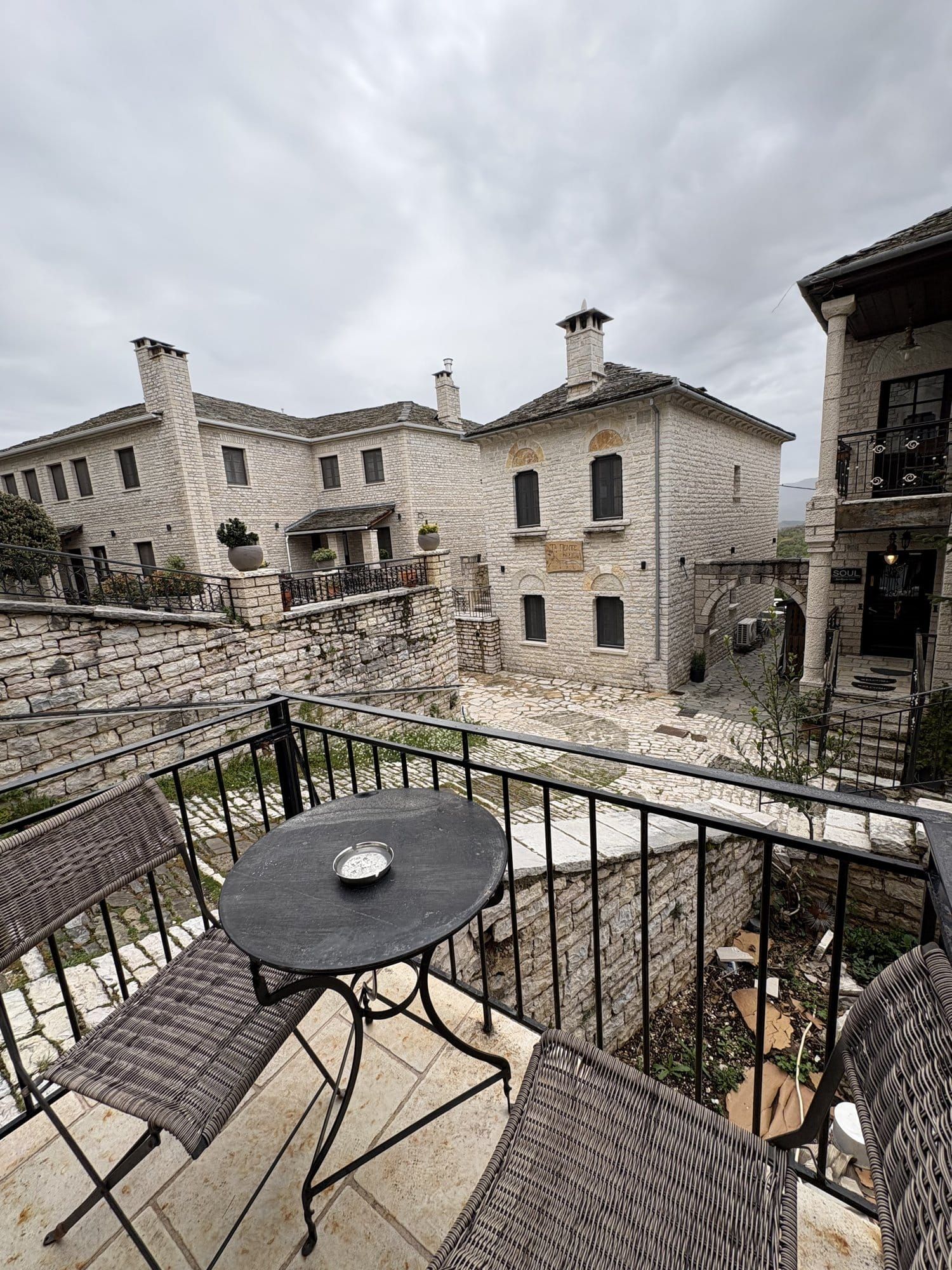
Zagori is not a place where you pick a hotel. It is a place where you pick a village, because there are forty-six of them, they are twenty minutes apart on mountain roads, and the one you sleep in decides which half of the region you actually see. We spent four nights across two of them in April, and the difference between the two was larger than the drive between them.
The Short Answer
Monodendri if it is your first time — it has the widest choice, the gorge rim on its doorstep, and a square that functions. Megalo Papingo if you came to hike. Kipoi if you want to be central and quiet, near the stone bridges. Tsepelovo if you genuinely want to disconnect. There is no wrong answer here, only a wrong match between the village and what you plan to do each morning.
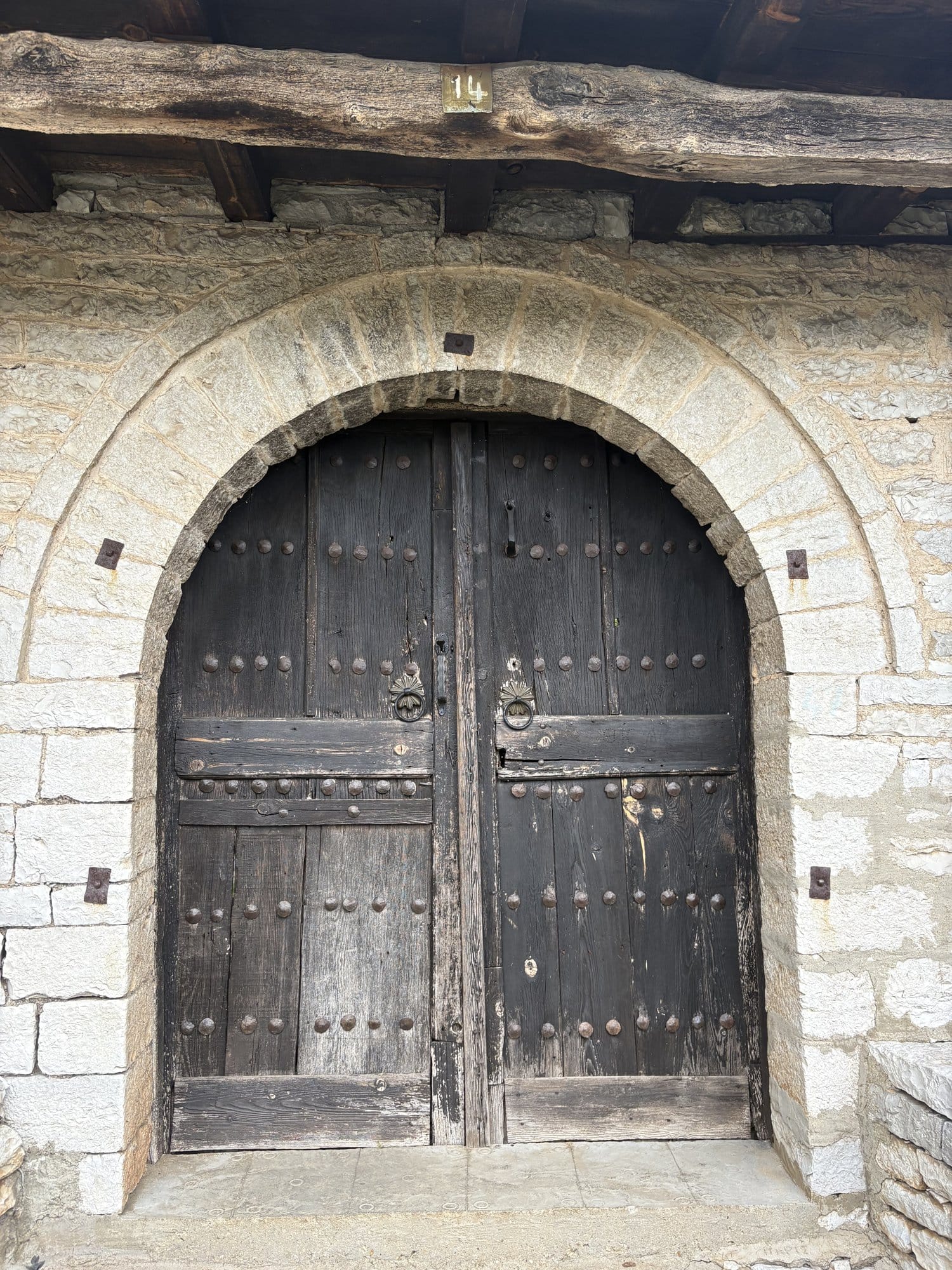
First, the Thing Nobody Tells You: There Are No Hotels
Zagori's lodging is almost entirely archontiko rentals — traditional guesthouses in restored stone houses, wood-panelled inside, usually one or two rooms, with a family-run breakfast included. There are no resorts, no chain hotels, and no village with more than a handful of options.
That changes how you book. You are not comparing a hundred rooms on a map; you are choosing between a dozen houses across four villages, and in high season and on summer weekends they go early. It also means the price you see is usually for a whole house rather than a room, which works out well for families and badly for solo travellers.
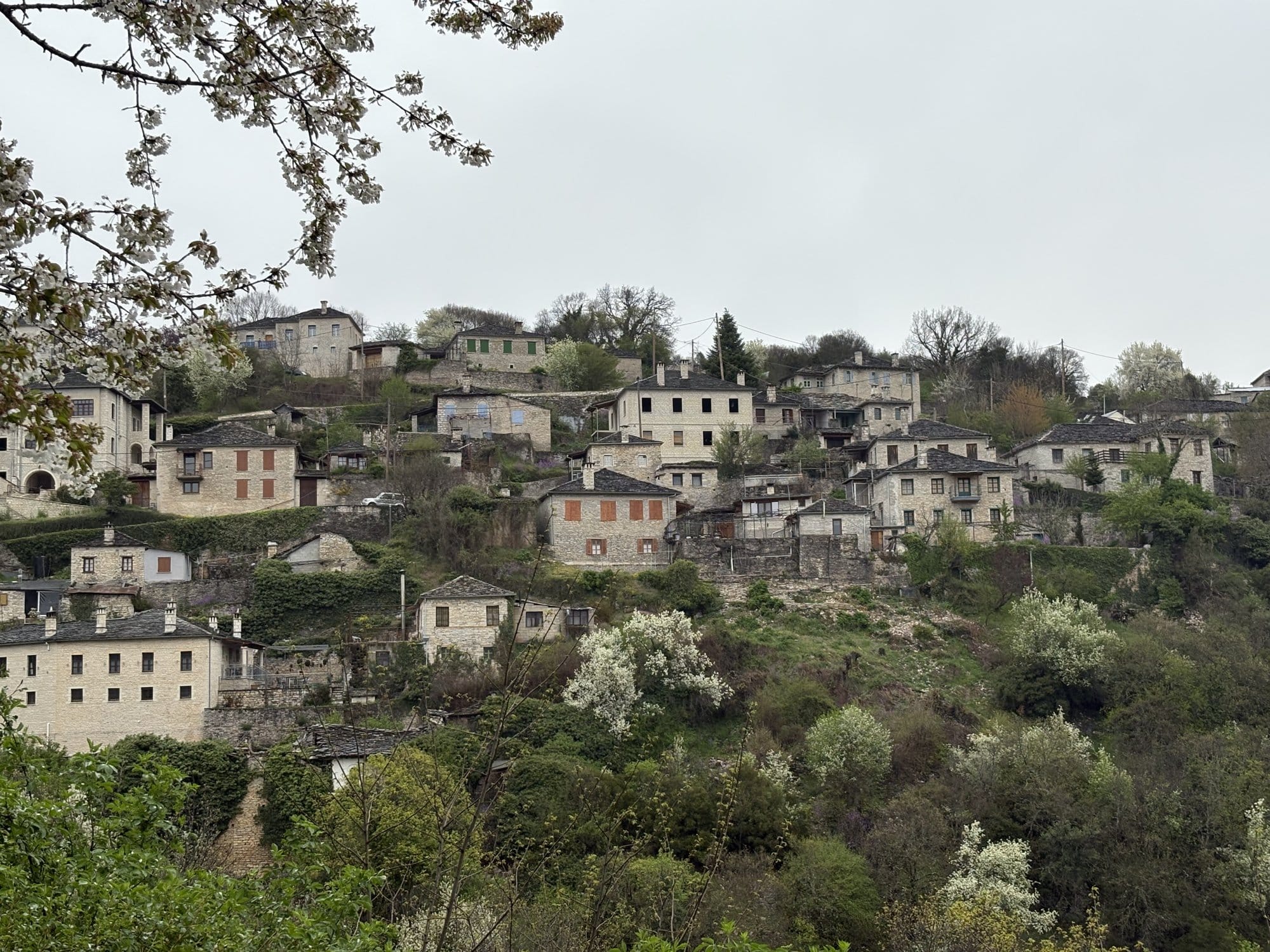
Monodendri — The Default, and Usually the Right One
Monodendri has the largest choice of guesthouses in Zagori, a square with a taverna and a bakery, and the monastery of Agia Paraskevi built right at the edge of the gorge — a ten-minute walk from the village on a paved path that ends at a stone terrace hanging over a 900 m drop. For a first visit this is the base that makes everything else reachable.
It is also the practical choice for the gorge itself. Monodendri sits on the south rim, which is where the classic viewpoints are, and it is the start of the full Vikos traverse. If you plan to walk the gorge end to end, sleep here the night before and pre-book a taxi back from Vikos village at the other end — around 35 € one way.
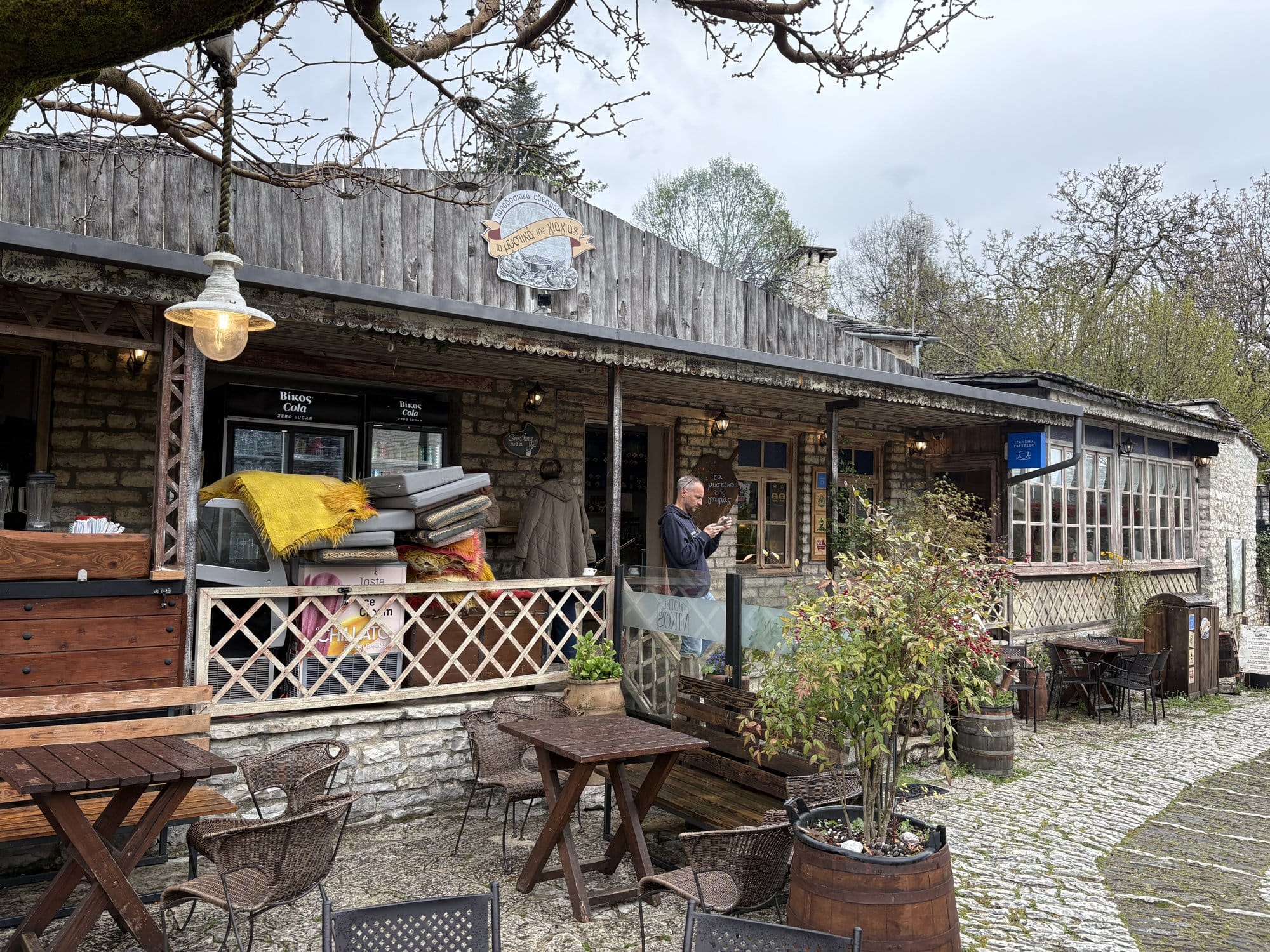
Megalo Papingo — For Hikers, at a Cost
The Papingo villages sit high and dramatic below the Astraka towers, and their restored stone houses are the experience rather than the accommodation. They are the right base if the Astraka traverse or the Papingo rock pools are the point of your trip. The trade-off is geographic: from Papingo, every subsequent drive reroutes back over the gorge, which adds up fast across a three-day stay. Book early in summer — the traverse crowd takes the weekend rooms.
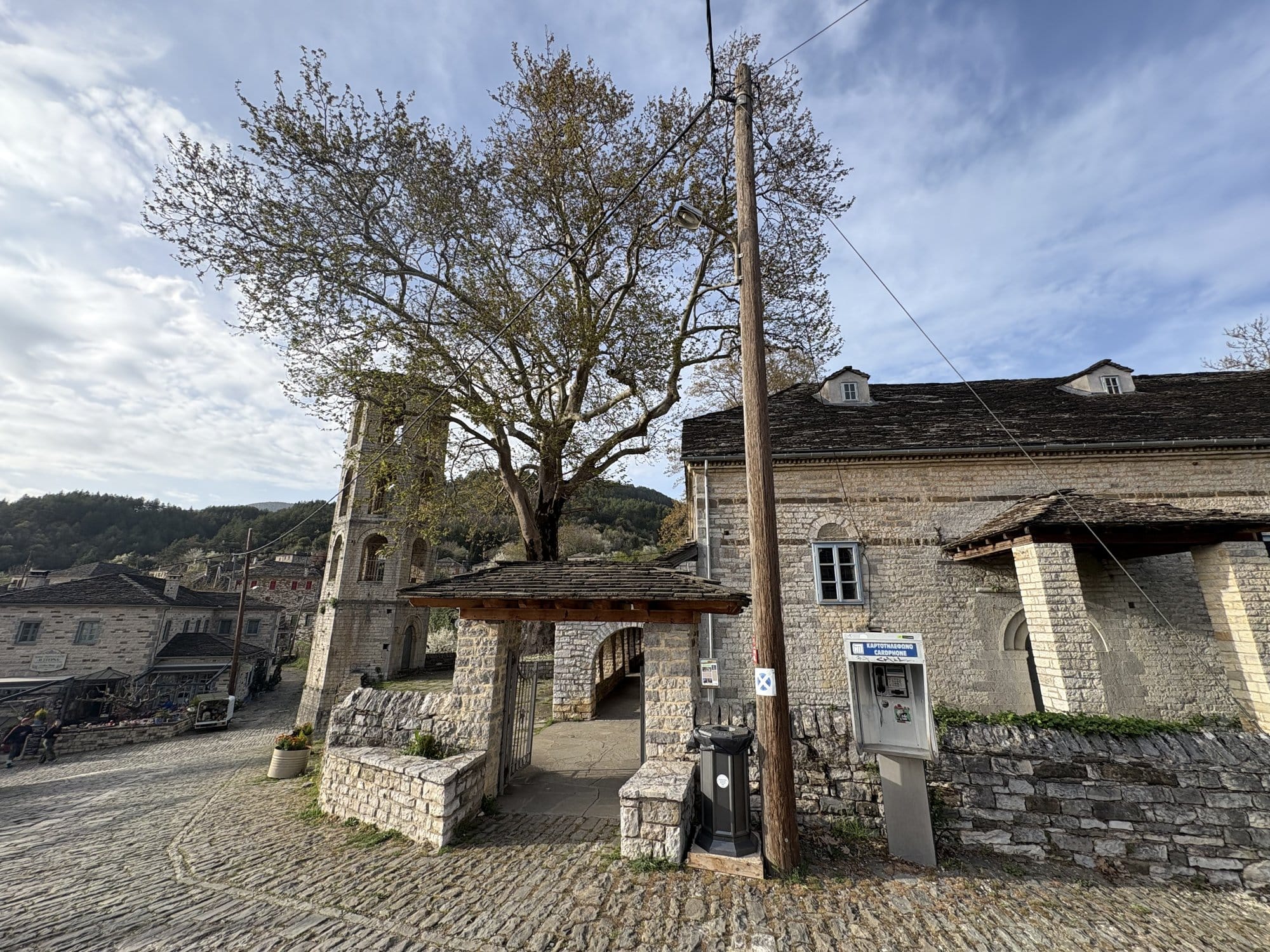
Kipoi and Tsepelovo — Central, or Properly Remote
Kipoi is small, central and quiet, and it sits next to the famous bridges — the Plakidas bridge, the most photographed of Zagori's forty stone crossings, is right there. Tsepelovo is off the main loop and the quietest of the four; it also puts you closer to Beloi and the upper trails, which is worth knowing if the high walks matter more to you than the gorge rim.
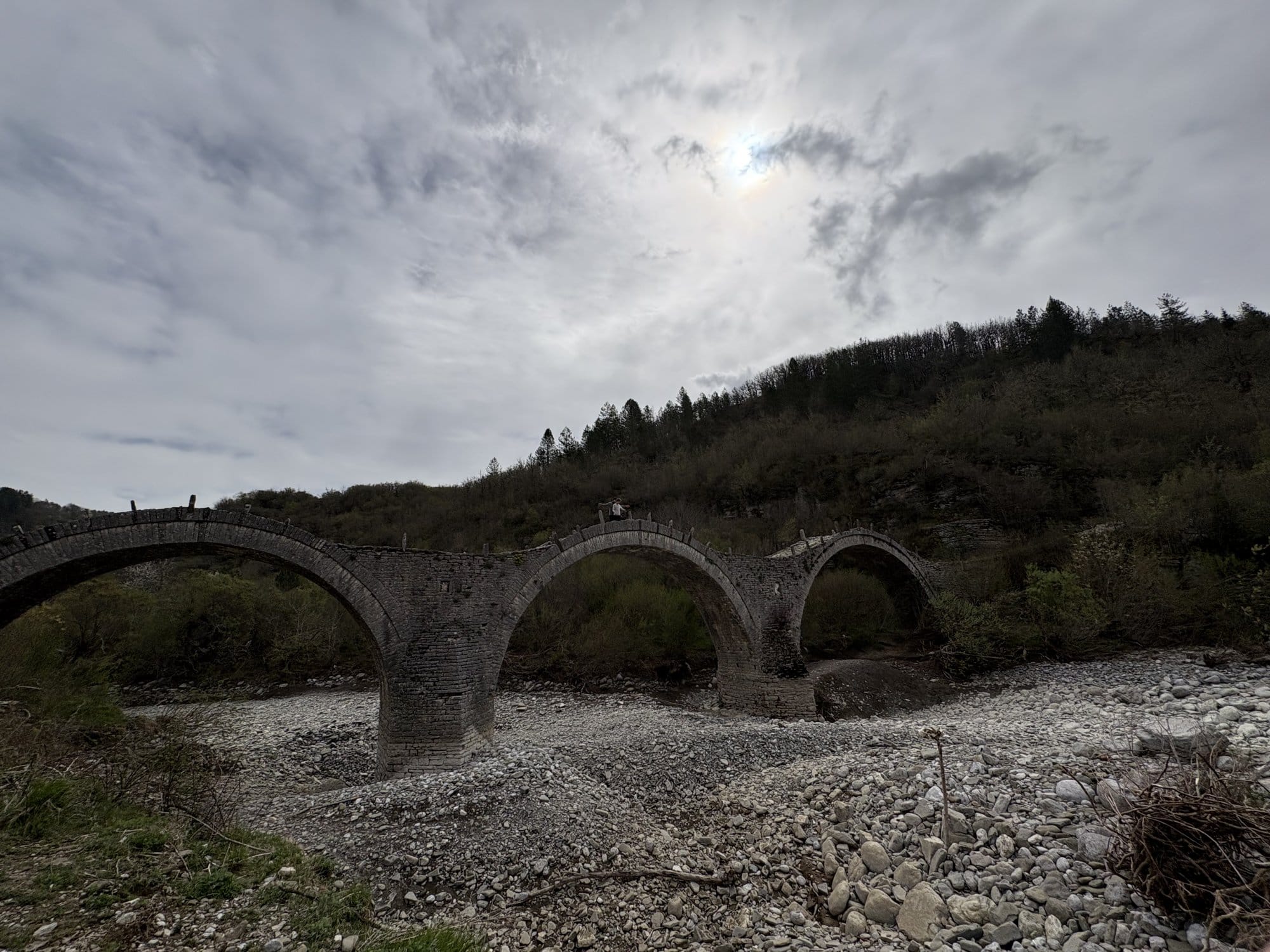
What It Costs, and Where We Slept
Lodging in Zagori runs roughly 100 to 160 € per night per house, depending on size and the quality of the restoration, with breakfast usually included. That is the honest range across the four villages; the variation within a village is wider than the variation between them.
We split four nights between two properties — two nights in a two-house compound in Monodendri, two 80 m² three-bedroom stone houses, and two nights in Papingo at a different property — for 780 € in total. Splitting the stay is worth considering if you have four nights: the two villages feel genuinely different, and you avoid driving the gorge road twice a day.
Compare Zagori stone guesthouses
Where This Fits in the Loop
Most people arrive in Zagori from Meteora and leave towards Ioannina. If Meteora is still ahead of you, the choice of village there matters just as much and works on completely different logic — we set it out in our guide to where to stay in Meteora. For everything else about the region — the villages, the bridges, the three-day plan — see our complete Zagori guide.
FAQ
Which Zagori village is best for a first visit? Monodendri. It has the most guesthouses, the gorge rim within walking distance, and a square with a taverna and a bakery — which matters more than it sounds in a region where several villages have neither.
Can you visit Zagori without a car? Not comfortably. The villages are twenty minutes apart on mountain roads with no useful public transport between them. The alternative is to base in Ioannina and take an organised jeep tour into the gorge for a day.
How many nights do you need in Zagori? Three is the natural length for the gorge, the bridges and one or two villages. Four lets you split between Monodendri and Papingo, which we would recommend if the hiking matters to you.
Is breakfast usually included in a Zagori guesthouse? Yes, almost always, and it is usually family-made rather than a buffet. It is one of the reasons the archontiko format is worth the price over a room in Ioannina.