
Where to Stay in Mallorca: Palma, Sóller or the East Coast
Mallorca is four very different islands depending on where you sleep — and two or three bases beat one, or seven.

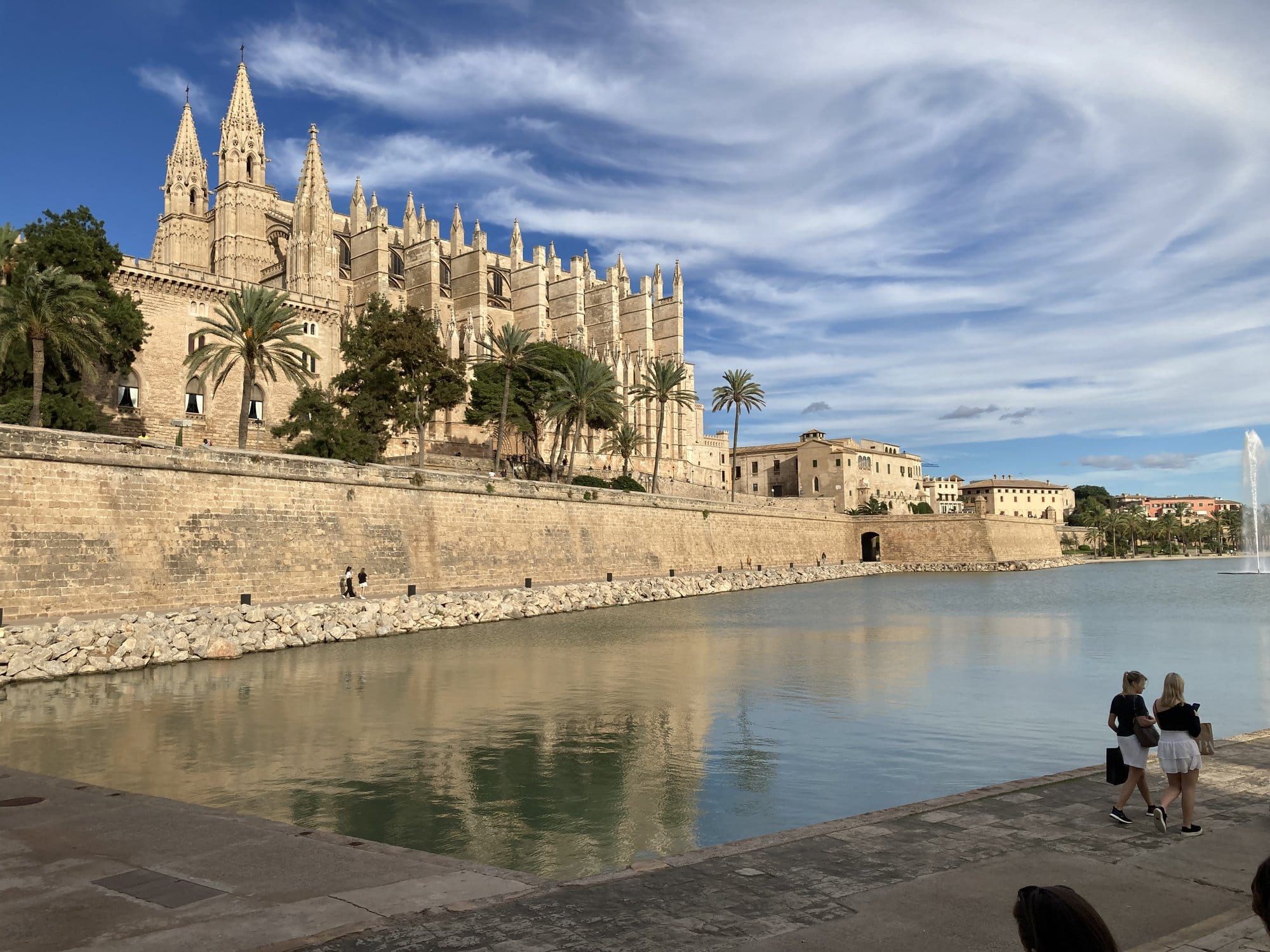
Accommodation on Mallorca varies more dramatically than on any other Balearic island. The southern coast is dominated by resort hotels and holiday apartments, the mountain villages of the northwest run to small guesthouses, rural hotels and agriturismos, and Palma has everything from boutique luxury to a modest apartment above a bakery. Picking between them is not a budget decision — it is a decision about which Mallorca you want.
The Short Answer
Base yourself in two or three places rather than moving every night. Our own split was three nights in Palma, three in Sóller for the Tramuntana, and four at a rural hotel near the northeast coast for the beaches and the smaller villages. If you only have a week, drop one of the three rather than compressing all of them.
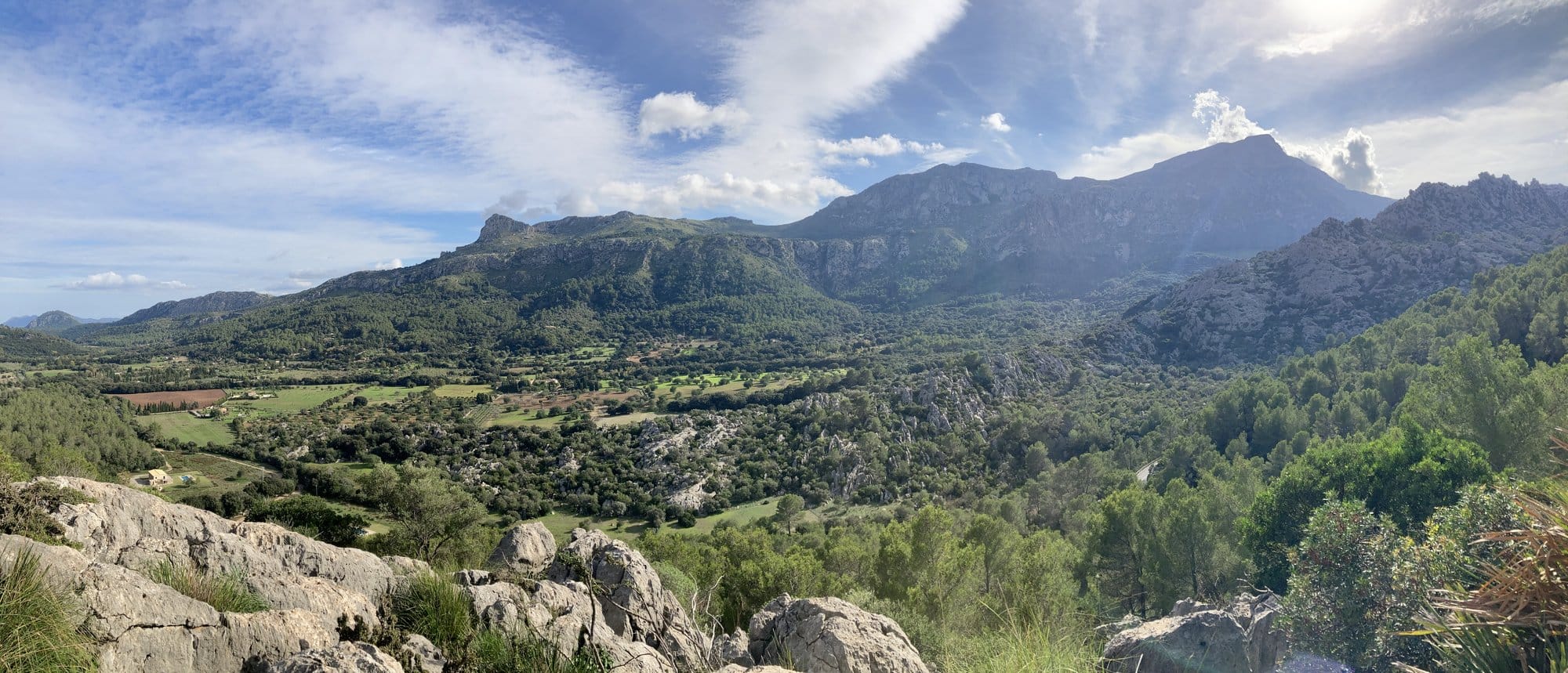
Palma — The Base That Needs No Explaining
Palma works as a first or last base: it is where you land, it has the widest range of accommodation on the island, and it puts the south within easy reach. The old town has the atmosphere and can be loud, particularly near the bars and restaurants. The Paseo Marítimo area is the compromise — close to the cathedral and the waterfront, with more modern facilities and a quieter night.
With children, the quieter residential streets away from the obvious tourist plazas are noticeably better for evening walks, and they are usually cheaper as well. Palma is very family-friendly, and its old town is interesting rather than exhausting for kids from about eight upwards.
Sóller and the Tramuntana — For the Mountains
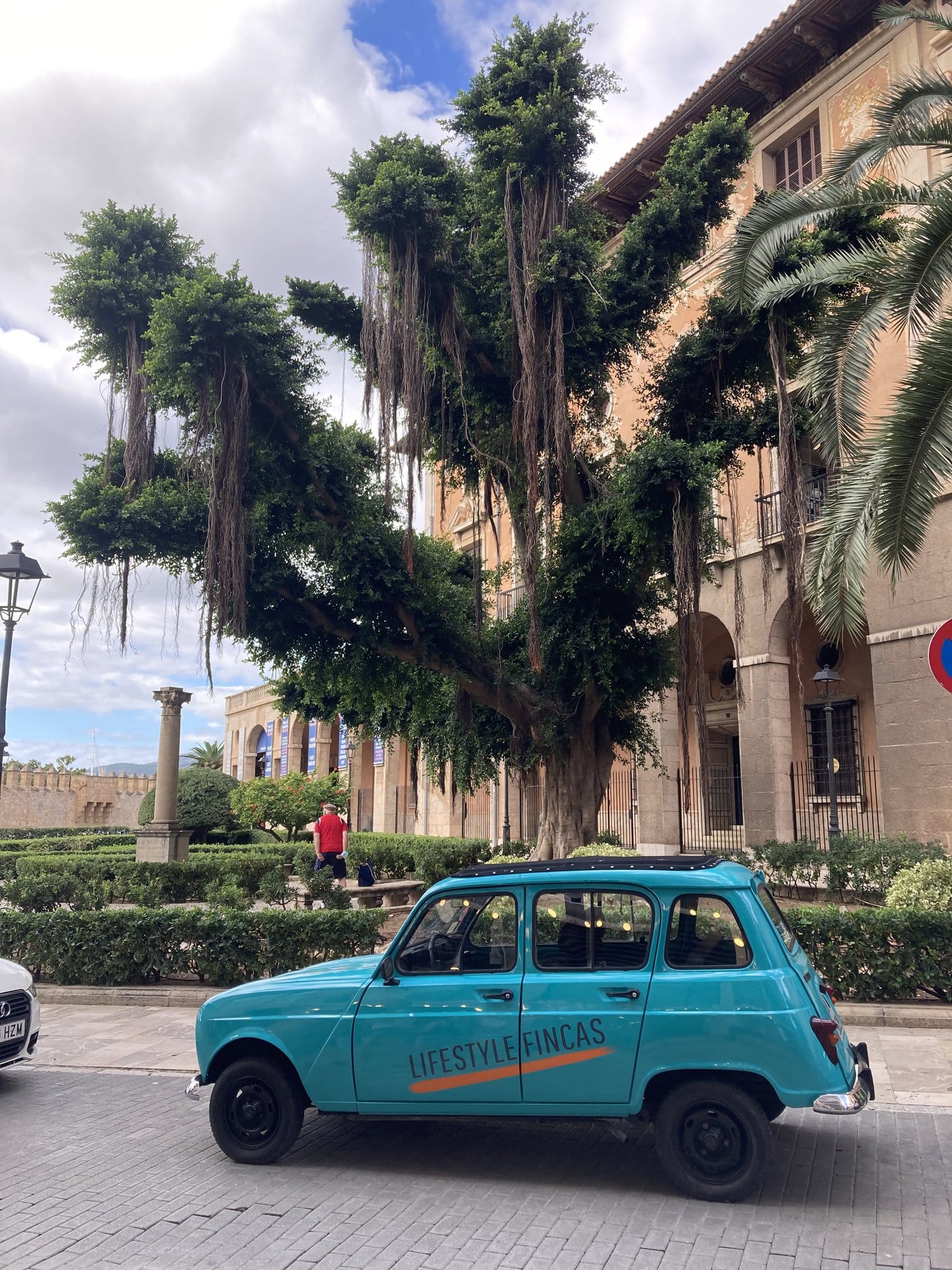
The northwest rises into rocky ridges and plunging valleys, with villages clinging to cliffs and roads that run along the edge of them. Sóller is the practical base for that half of the island: three nights there is enough to do the Tramuntana properly without driving the mountain road twice a day.
Accommodation up here is a different category — smaller guesthouses, rural hotels, and agriturismos on working farms. It is the part of the island where the building you sleep in is part of the trip rather than a place to put your bags, and it is also the part that books out first in shoulder season.
The Southeast Calas — Santanyí and the Narrow Coves
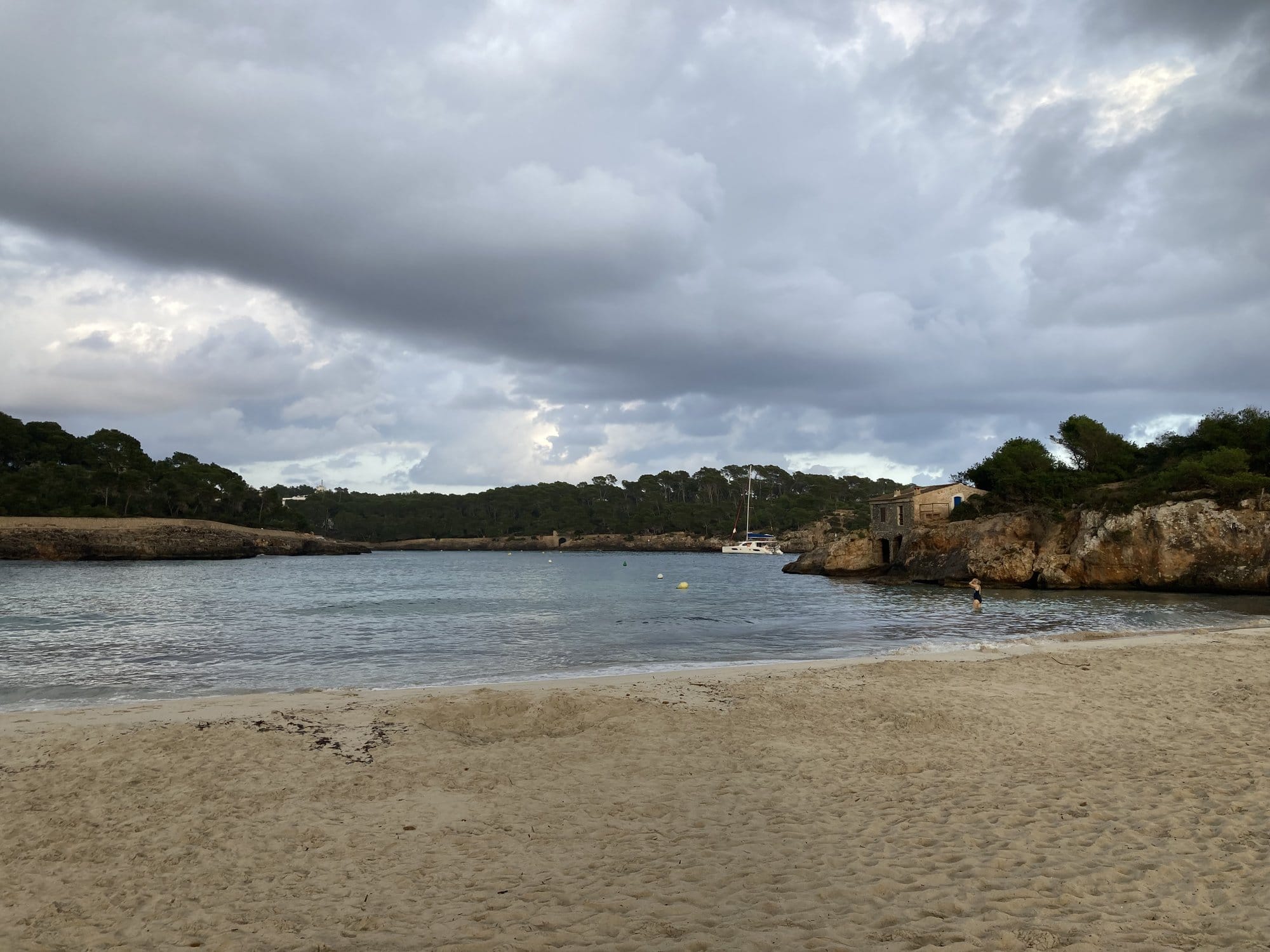
The southeast corner trades the island's big-bay real estate for a chain of narrow calas: limestone gorges cutting inland to small sandy heads, with fifteen minutes of driving at most between them. We based near Santanyí for two nights and it was enough to reach Cala Llombards — five minutes down a path of pine needles and sandstone steps to a fifty-metre cove flanked by fishermen's huts carved into the rock — and Cala Santanyí four minutes north, which has the easier access, two beach bars open through October and parking that actually works.
The Northeast — Beaches and the Smaller Villages
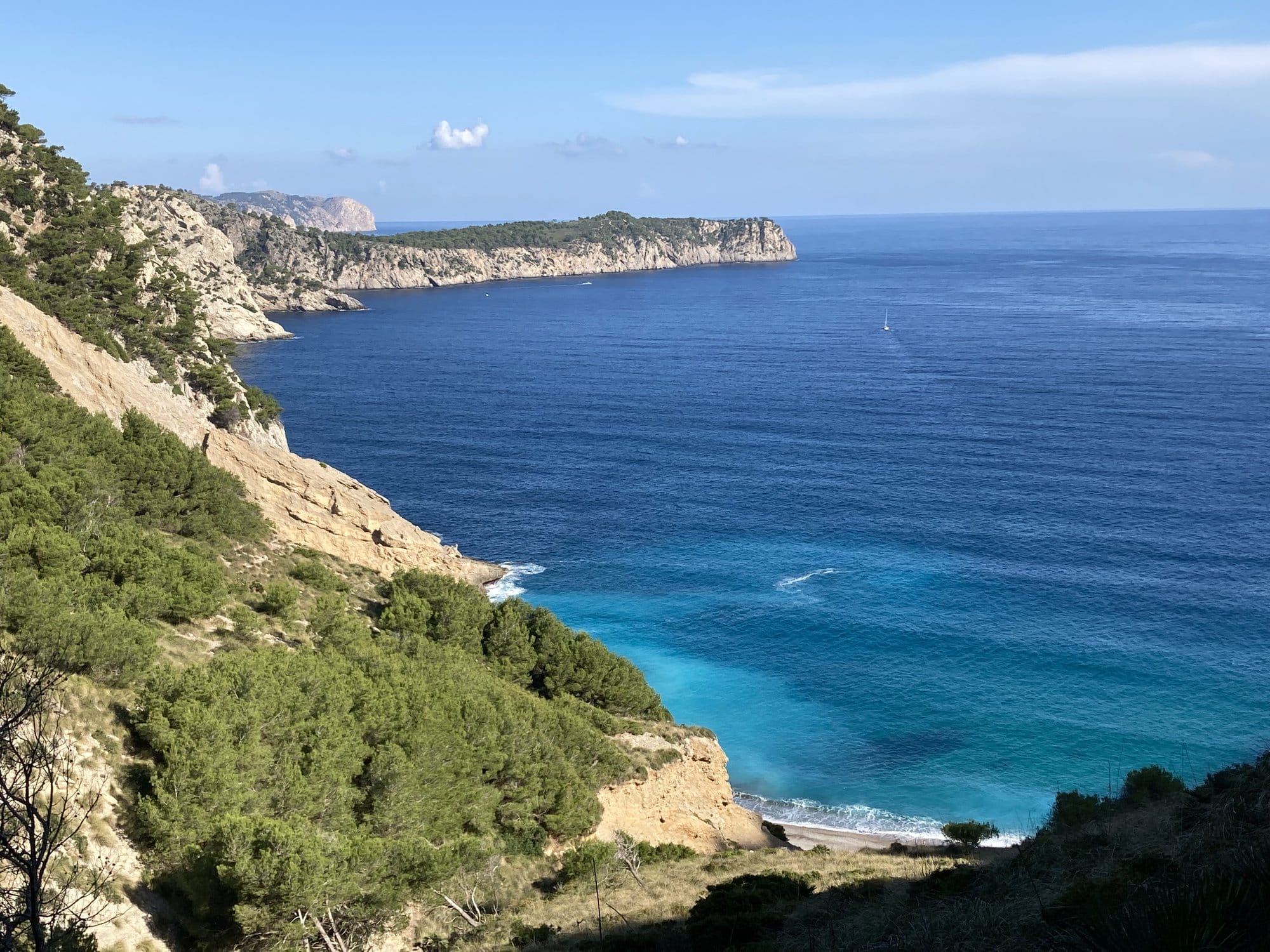
For the last stretch we took a rural hotel near the northeast coast, which is the right base if the plan is beach days and villages rather than mountains or city. It is the quietest of the three regions and the one where a rural property makes the most sense, because you are not walking anywhere in the evening regardless — so you may as well be somewhere with a view and a garden.
What It Costs, and When to Book
October rates ran roughly 40 to 50 per cent below summer, with excellent availability. Booking three to four months ahead still gave good selection without last-minute pricing — which is the useful window, because the Tramuntana guesthouses are the first to go and there are not many of them.
Mid-range family hotels and apartment rentals are plentiful across the island and good value. Late autumn and spring are the best conditions: warm days, reliable light, manageable numbers. Summer is hot and crowded; winter is mild, rarely below 10 °C, but can be wet.
Compare hotels in Palma, Sóller and the east coast
Where This Fits
For the island split into its three landscapes, with the itinerary and the driving times, see our Mallorca family road trip guide. For the calas themselves — which ones are worth the detour and what the parking is really like — see our Mallorca beaches guide.
FAQ
How many bases do you need in Mallorca? Two or three. One means driving the island every day; seven means unpacking every night. We used Palma, Sóller and a rural hotel in the northeast across ten nights.
Is Palma a good base for the whole island? For the south and the centre, yes. For the Tramuntana it is a long mountain drive each way, which is why we moved to Sóller instead of commuting.
When should you book accommodation in Mallorca? Three to four months ahead gives good selection without last-minute pricing. The Tramuntana guesthouses go first — there are far fewer of them than the coastal inventory.
Is October a good month in Mallorca? Yes. Rates run 40-50 % below summer, availability is excellent, and the calas are quiet enough that you can park at Cala Llombards at lunchtime — which is impossible in August.