
Mallorca Family Road Trip: Palma to the Tramuntana Mountains
Mallorca is much more than a beach holiday — a road trip around the island reveals Gothic cathedrals, mountain villages, dramatic cliffs and some of Europe's clearest water.


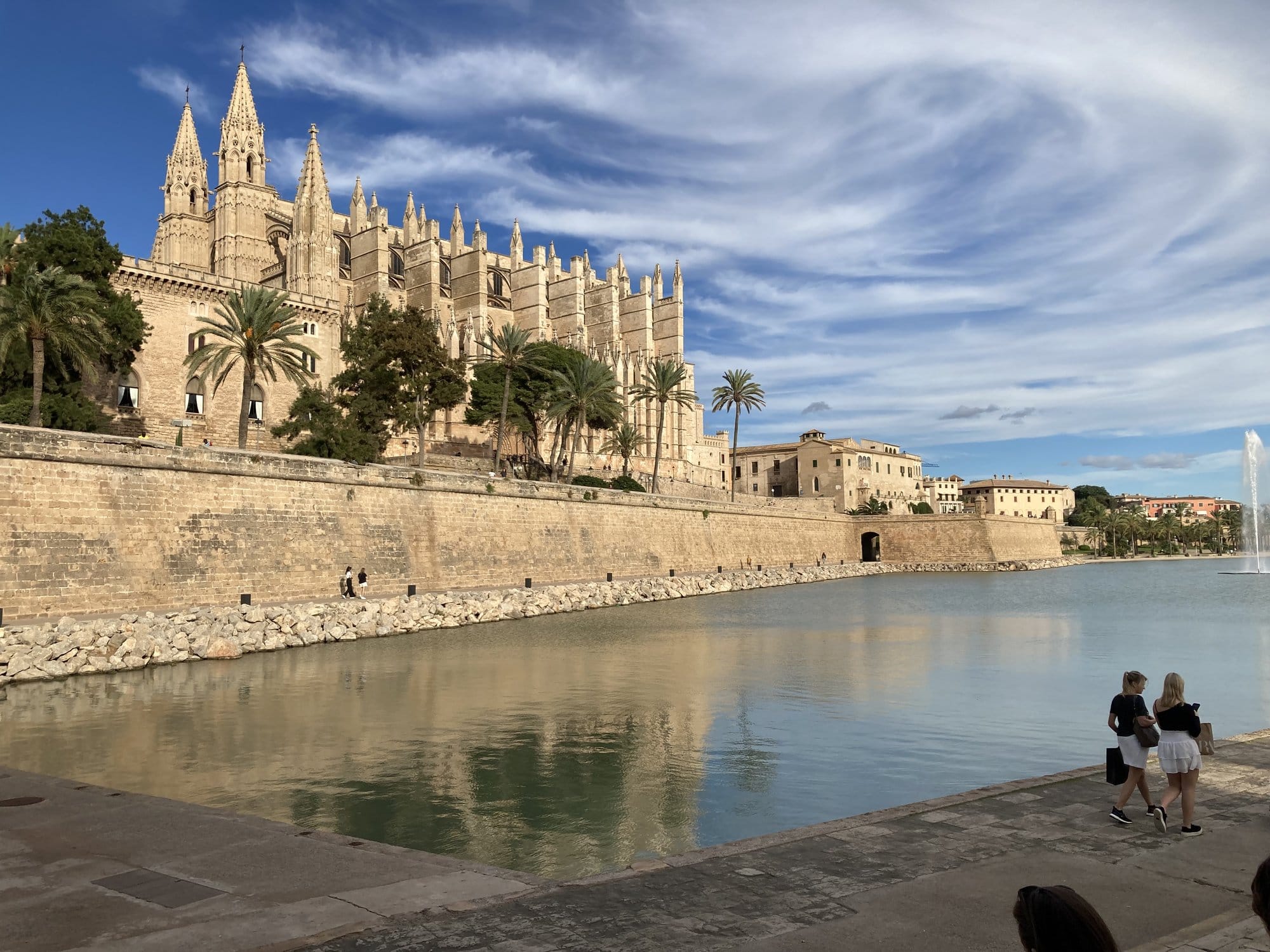
Mallorca has long been synonymous with package tourism and crowded beaches, yet venture beyond the sprawling resort zones and an entirely different island emerges. This is a place of Gothic cathedrals, medieval hill towns tumbling down rocky slopes, dramatic sea cliffs, and some of the clearest turquoise water in Europe. A road trip across Mallorca in October revealed an island that families who travel thoughtfully can actually enjoy — quieter than high summer, warm enough for swimming, and rich with character that rarely makes it into the typical holiday brochure.
Over ten days, traveling with children aged 12 and 8, we discovered that Mallorca rewards the kind of travel that takes time, moves slowly between destinations, and lingers in the places that matter. The island's compact size makes it ideal for families: nowhere is more than two hours from anywhere else, the roads are good, and the infrastructure for travelers is well-established. Whether seeking dramatic mountain scenery, artistic credentials, or those famous Mediterranean coves, Mallorca delivers.
Affiliate Disclosure
This article contains affiliate links to accommodation partners and booking platforms. We may earn a small commission if you book through these links, at no extra cost to you. All recommendations reflect our genuine experience.
Why Mallorca? A Destination for Traveling Families
Mallorca is the largest Balearic Island, shaped like a rough triangle with Palma on the southwestern coast and quieter towns scattered inland and around the perimeter. For families, this is a major advantage: the diversity of landscape and activity means that different family members can typically find something to enjoy, and the overall size means you're never stuck in traffic for more than a couple of hours.
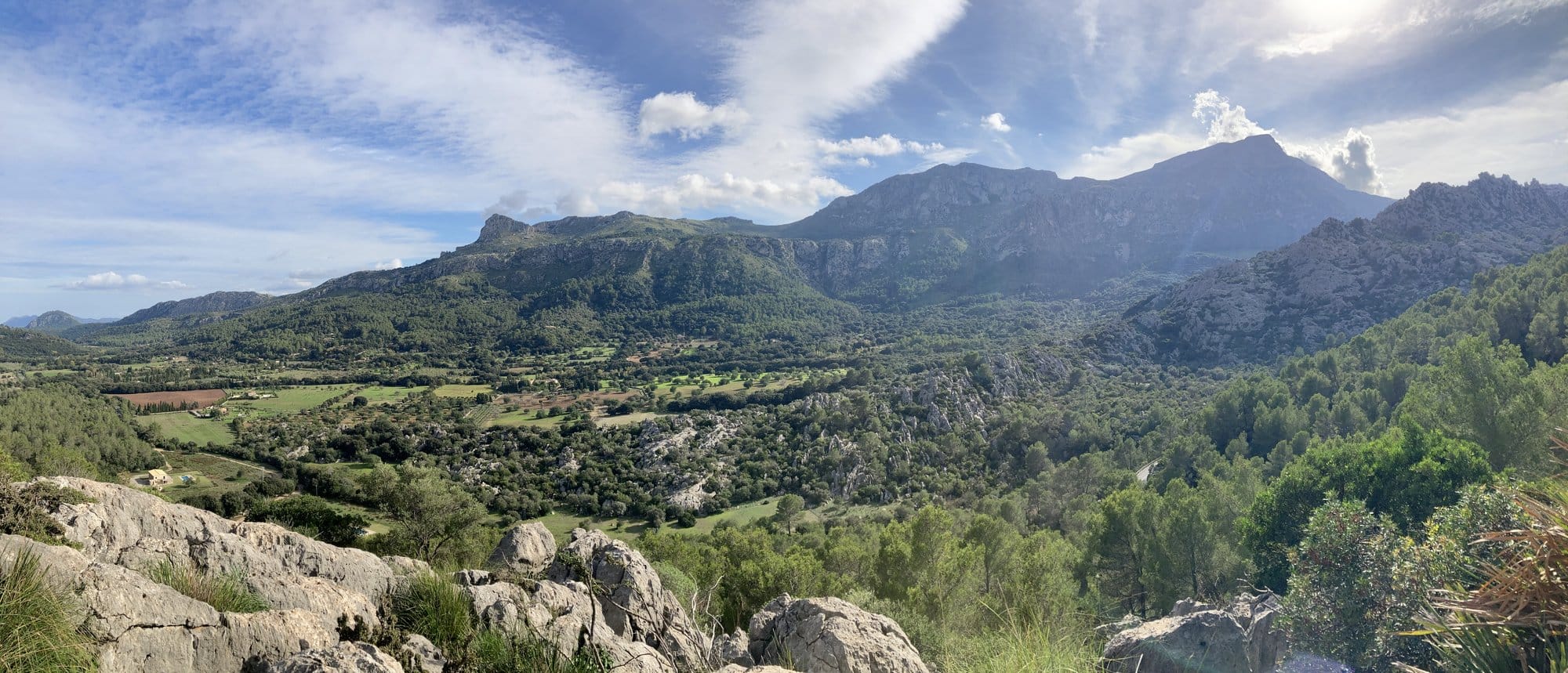
The island has three distinct travel zones. The northwest is dominated by the Serra de Tramuntana — a UNESCO-listed mountain range that rises dramatically from the sea, home to stone villages, hiking trails, and some of Mallorca's most spectacular scenery. The south and southeast hold the famous beaches and turquoise coves that define the island's reputation. And the center and east, including the capital Palma, offer urban culture, history, and a more layered sense of what Mallorca actually is.
October proved an excellent time for a road trip. The summer heat had retreated from brutal to merely warm, the school holidays of northern Europe had ended (meaning fewer tourists), and the sea remained swimmable. We found popular sites accessible without the overwhelming crowds of July and August, and accommodation rates had dropped from summer peaks.
Getting There & Getting Around
Flights to Mallorca
Most international travelers arrive at Palma de Mallorca Airport (PMI), one of Europe's busiest regional airports with connections from across the continent. For families traveling from the UK or northern Europe, direct flights are typically available from major hubs. Flight times are usually 2–3 hours from the UK, similar from much of northern Europe. In October, we found flight availability good and prices reasonable compared to high season.
Car Rental
A car is essential for this kind of road trip. Mallorca's road network is well-maintained, and driving between destinations is straightforward — even the mountain roads in the Tramuntana are modern and safe, though they do wind considerably. We picked up a compact rental car at the airport and kept it for the full duration, which worked out significantly cheaper than daily rentals or relying on taxis and buses. Insurance and fuel costs are reasonable. Parking is generally straightforward in towns, though Palma's center can be congested; most accommodations offer parking or can advise on nearby options.
Getting Between Islands
If combining Mallorca with a visit to Menorca or Ibiza, ferries run regularly from Palma. Flight connections between the islands are also available and sometimes cheaper than you'd expect. We focused exclusively on Mallorca during this trip, but the ferry option makes island-hopping feasible for longer vacations.
Mallorca's Palma airport (PMI) is one of Europe's busiest in summer — Ryanair, easyJet and Vueling all fly here from most European capitals, and direct UK flights are routine year-round. We always pick up the rental at the airport since the Tramuntana road trip starts within 20 minutes of arrivals.
Where to Stay & Accommodation Tips
Accommodation varies dramatically across Mallorca. The southern coast is dominated by resort-style hotels and holiday apartments. Mountain villages like Valldemossa and Sóller offer smaller guesthouses, rural hotels, and some excellent agriturismos (farm stays). Palma itself has everything from luxury boutique hotels to modest apartment rentals.
For a road-trip approach, we recommend basing yourself in 2–3 locations rather than moving every night. We stayed in Palma for 3 nights (good base for exploring the capital and heading south), Sóller in the northwest for 3 nights (perfect for Tramuntana exploration), and a rural hotel near the northeast coast for the final 4 nights (ideal for beach days and smaller villages).
Mid-range family hotels and apartment rentals are plentiful and good value. October rates ran roughly 40–50% lower than summer, and availability was excellent. Booking 3–4 months in advance still offered good selection without the panic of last-minute pricing.
Three Articles, One Island: What to Explore
Mallorca's appeal fragments across its landscapes. Rather than trying to cover everything in a single article, we've broken the island into three focused guides that families can explore in depth: — Ibiza and Formentera family guide — quieter Balearic island for families — family road trip around Lanzarote
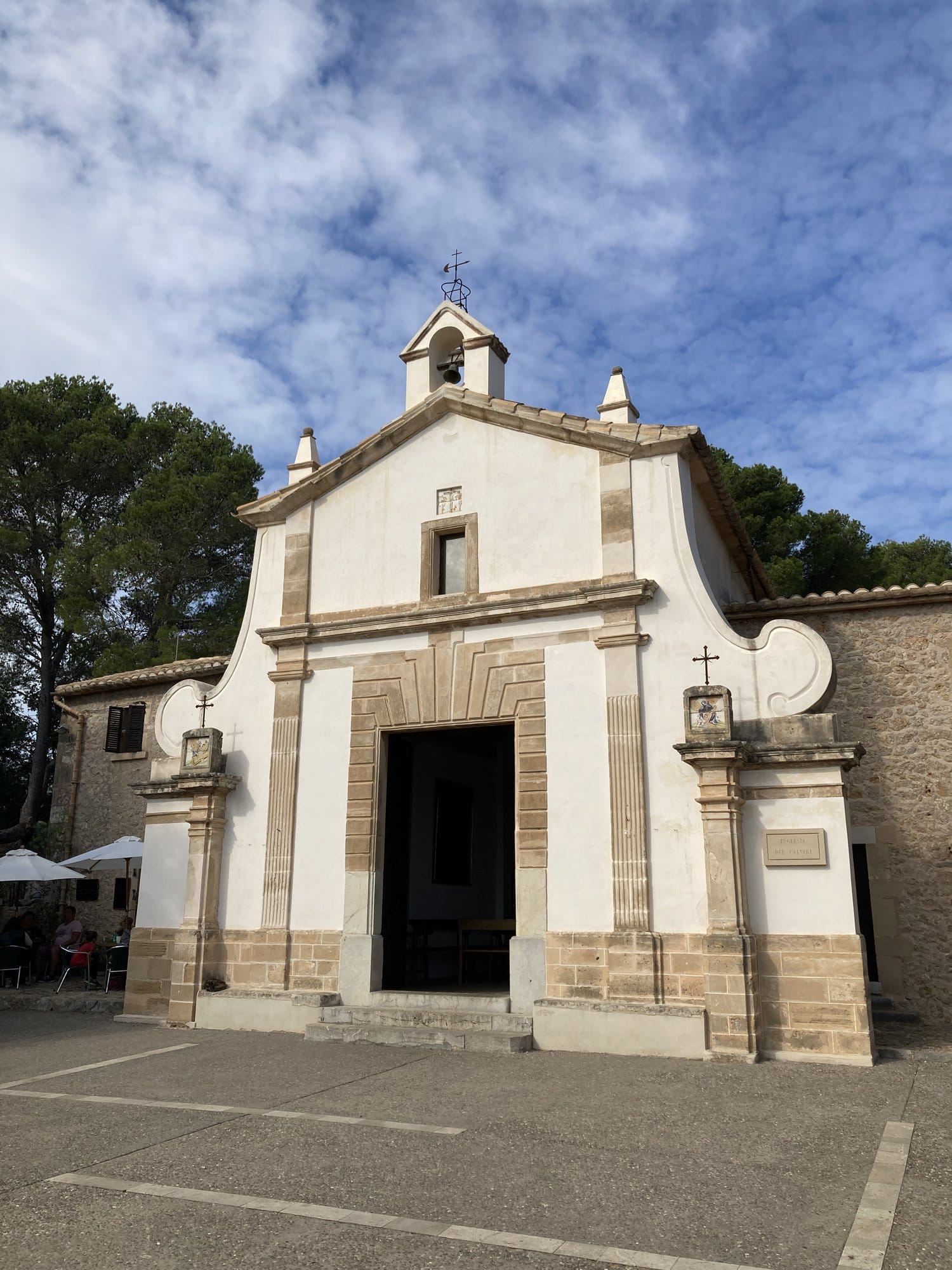
The Serra de Tramuntana Mountains The northwest of Mallorca rises into rocky ridges and plunging valleys, home to villages that cling to cliffs and mountain roads that offer views across the Mediterranean. Stone houses, lemon groves, stone walls, and a landscape that feels genuinely remote despite Palma's proximity. Read the full Tramuntana guide
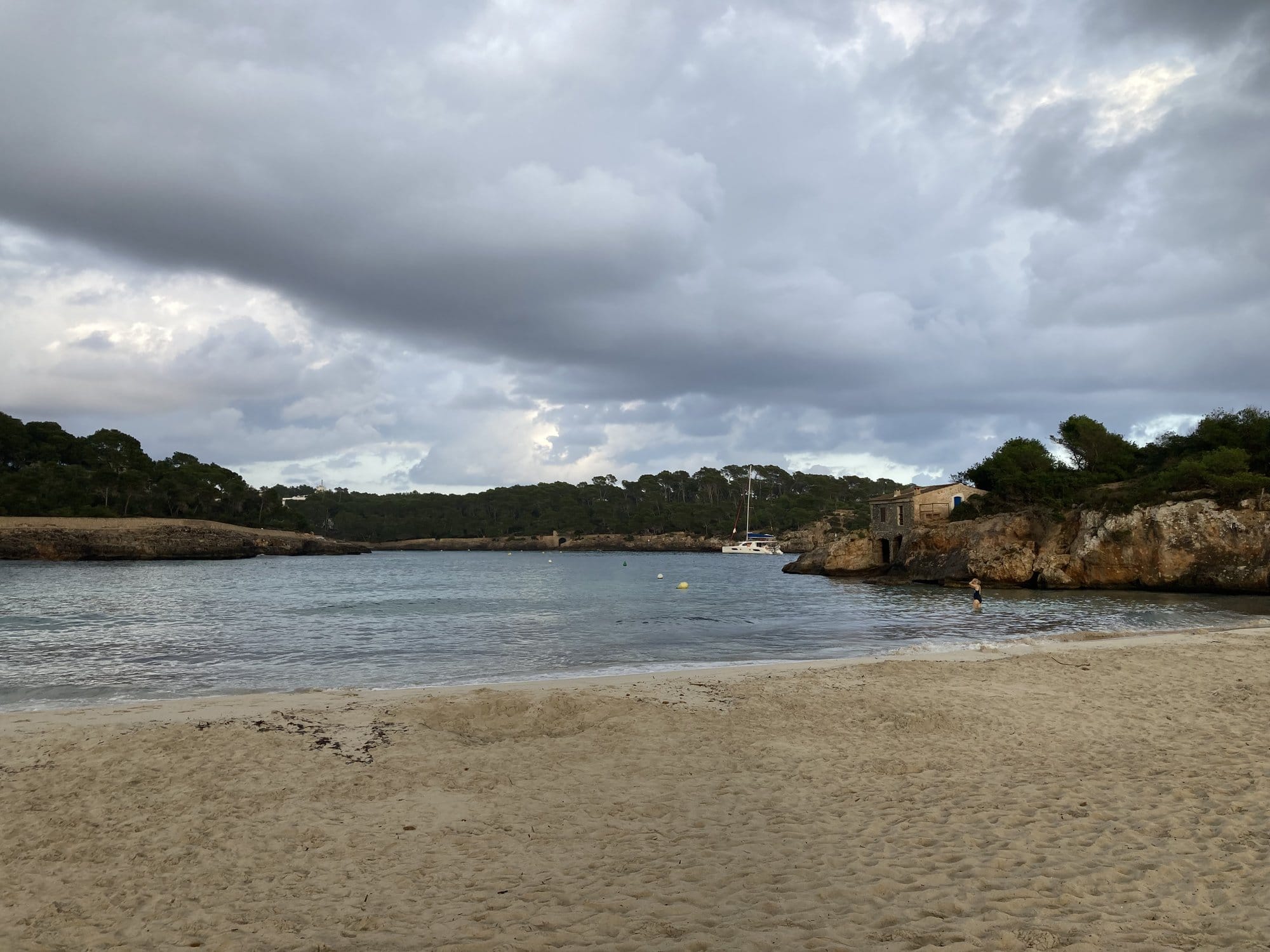
Beaches & Calas South and east, the island's coastline fragments into hidden turquoise coves and long sandy beaches. Some require hiking to reach; others sit beside small towns. Crystal-clear water, reasonable crowds outside summer, and the kind of swimming that justifies a beach holiday. Read the full beaches guide
Palma: Cathedral, Streets & Culture Mallorca's capital is far more than a jumping-off point. A Gothic cathedral dominates the waterfront, street art colours the old quarter, and the urban landscape reveals a city that's become genuinely interesting to travelers beyond package tourists. Read the full Palma guide
A Suggested 10-Day Itinerary
Days 1–3: Palma Arrive at the airport, collect a rental car, and drive to Palma (20 minutes). Spend 3 days exploring the capital: the cathedral, old town streets, parks, and nearby villages. Evening walks along the waterfront. Base here while acclimatizing and handling any logistical tasks.
Days 4–6: Sóller & the Tramuntana Drive north to Sóller (1 hour), a beautiful orange-growing town tucked in a valley. Use Sóller as a base for exploring the Tramuntana: hikes, villages, viewpoints, and dramatic coastal scenery. The mountain roads are spectacular but require focus; plan for slow driving and frequent stops.
Days 7–10: Southern Coast & Eastern Beaches Head south and east to explore the island's most famous beaches and calas. Base yourself in a small coastal town (Ses Salines, Santanyí, or similar) and make day trips to different beaches. Swim, relax, visit market towns, and enjoy the slower pace of the south.
Return to Palma (1–1.5 hours depending on location) for your final night or fly out directly from the airport if timing permits.
This structure hits the three main zones without excessive driving and gives time to actually absorb each area rather than rushing through.
Budget & Costs
For a family of four in October, assuming mid-range hotels and local restaurants:
- Accommodation: €80–120/night, roughly €800–1200 for 10 nights - Rental Car: €30–45/day, roughly €300–450 for 10 days, plus fuel (~€50–70) - Meals: €15–25 per person for lunch, €20–35 for dinner; figure €100–150/day for the family - Activities & Entry Fees: €50–100/day (many beaches and viewpoints are free; paid activities like boat tours run €30–60/person) - Flights: Highly variable; in October from the UK, roughly €120–180/person return
Total estimate for 10 days: €2200–3200 for a family of four (flights from the UK, mid-range experience). This is very reasonable for a Mediterranean road trip.
Peak summer pricing would be 50–70% higher. Traveling with modest expectations (picnics rather than always dining out, self-catering apartments, free beaches rather than water parks) can reduce costs further.
When to Visit
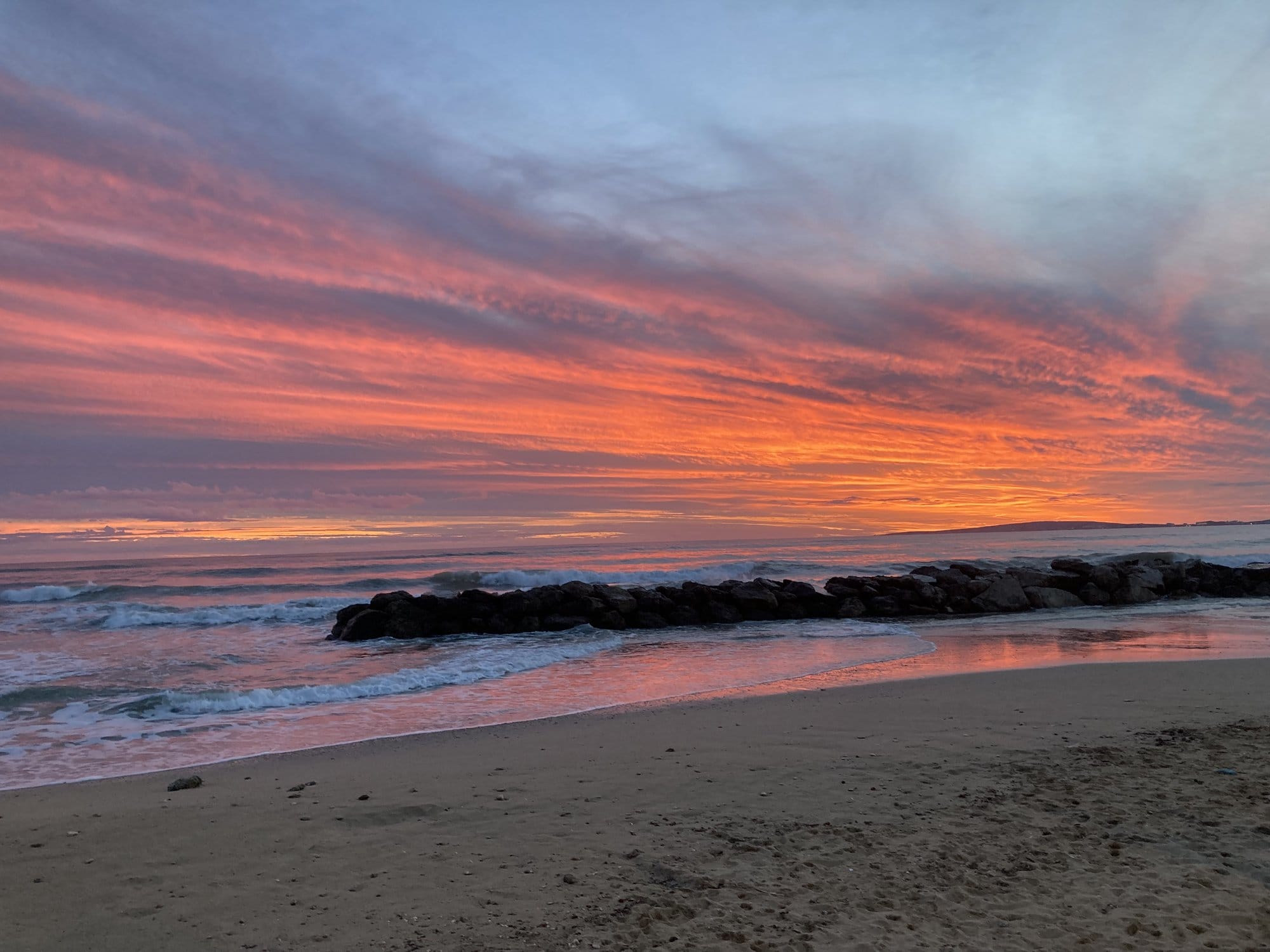
October (Our Choice) Warm but not hot (highs around 25°C/77°F), sea still swimmable, tourists fewer. Hotels and restaurants less crowded but fully open. Excellent for road trips and spending time outdoors without heat exhaustion risk.
April to May & September Similar conditions to October, slightly fewer tourists. May is warmer; September slightly cooler but still pleasant.
June to August Peak season. Hot (30°C+), very crowded, prices highest. Better for pure beach holidays; less appealing for exploring towns and hiking.
November to March Quieter but significantly cooler (highs around 15–17°C), some rain. Sea less appealing for regular swimming. Good for hiking and culture, less ideal for beach-focused families.
For families traveling with school schedules, October half-term or Easter holidays align well with good weather.
Practical Information
Visa & Entry Mallorca is in Spain and the EU. EU/EEA citizens need only a valid passport. US, Canadian, Australian, and other visitors typically get 90 days visa-free as part of the Schengen area.
Currency & Costs Mallorca uses the euro. Card payments are widely accepted, and ATMs are ubiquitous. Tipping is not expected but small change left as gratuity is appreciated.
Language Spanish is the official language; Catalan is also spoken locally. English is widely understood in tourist areas, hotels, and restaurants, though learning a few Spanish phrases is always appreciated.
Getting Around The road network is excellent. Fuel is readily available (plan on stopping to fill up every 200–250 km). Public buses connect major towns, but for families with luggage and flexibility, a rental car is far more practical.
Accommodation Booking October is quiet enough that booking 4–6 weeks in advance usually offers good selection. Peak summer requires booking further ahead.
Internet & Communications Mobile coverage is good across the island. European visitors on EU roaming plans can use phones as normal; others should check with their provider or buy a local SIM card (widely available).
Frequently Asked Questions
Is Mallorca suitable for families with young children? Yes, absolutely. Infrastructure is excellent, roads are safe, and attractions range from beaches to gentle cultural experiences. The compact size means no long drives between destinations. Even children aged 5–6 can handle the itinerary; adjust pace and choose quieter activities.
Can we visit multiple Balearic islands in one trip? Yes. Ferries run from Palma to Menorca (3.5 hours) and Ibiza (2 hours). A two-week trip could include multiple islands. However, island-hopping means less time in each place; we recommend first-time visitors focus on one or two islands to avoid excessive traveling.
What's the best way to see the Tramuntana without driving? Buses run between major towns, but frequency is limited outside summer. Organized tours from Palma cover the Tramuntana in a day, though this is rushed. The historic train from Palma to Sóller is scenic and family-friendly, though it reaches only one mountain town. For genuine exploration, a rental car is worthwhile.
Are beaches crowded in October? Significantly less crowded than summer, especially on weekdays. Popular spots near towns can see activity on weekends, but the sheer number of calas means you can always find quieter alternatives.
Plan Your Trip
Activities: You can browse all Mallorca activities to make the most of your visit.
Accommodation: Use Trip.com to search hotels across Mallorca with competitive rates and free cancellation.
Palma, Sóller or the east coast changes what your week looks like more than any hotel does — we set out the four regions in our guide to where to stay in Mallorca.
Find the best deals on accommodation:
More European Road Trips
If Mallorca captured your interest in Mediterranean mountain scenery and slow travel, consider these related guides:
- French Alps Family Road Trip — Alpine scenery, market towns, and Lake Annecy - Northern Italy Road Trip — Dolomites, lakes, and Renaissance culture - Things to Do in the Algarve — Dramatic cliffs, coves, and Portuguese warmth - Portugal Travel Guide — Broader insights across a varied country - Oman Family Road Trip — Desert and mountain adventure beyond Europe - Northern Greece Road Trip Itinerary — Monasteries, mountain villages and Aegean beaches in one 11-day loop
Mallorca rewards the kind of travel that takes time and moves at a human pace. A road trip that blends mountain villages, Mediterranean coves, and urban culture reveals an island far richer than its resort reputation suggests. For families seeking both relaxation and genuine discovery, it's an excellent choice.