
31 Unvergessliche Dinge, die man in Vietnam tun muss


Das heutige Vietnam ist ein geschäftiges, lautes Land, das es dem Fortschritt Chinas im Norden und Thailands im Westen nacheifert. Und obwohl es manchmal verwirrend und lästig sein kann, wirst du bald ein Land mit einer reichen und schmerzhaften Vergangenheit entdecken, das auf eine helle und hoffnungsvolle Zukunft hinarbeitet.
Leider dominiert der berühmte Konflikt der 60er und 70er Jahre immer noch in jeder Google-Suche, die du für Vietnam machst, aber es gibt so viel mehr zu erkunden.
In diesem Leitfaden haben wir die besten 31 Dinge ausgewählt, die man in Vietnam tun muss, damit du eine bessere Vorstellung von den besten Orten im Land bekommst. Wir beginnen mit Hanoi im Norden und enden mit HCMC und dem Mekong-Delta im Süden.
Buchungen: Einige der Links in diesem Artikel sind Affiliate-Links. Das bedeutet, dass du, wenn du eine Buchung vornimmst, eine kleine Provision ohne zusätzliche Kosten für dich erhältst. Danke!
Die besten Dinge, die man in Vietnam tun muss
Wir haben Vietnam 3 Monate lang besucht und lebten sogar längere Zeit dort.
1. Erkunde die Altstadt von Hanoi
Die chaotische Hauptstadt Vietnams mit über 8 Millionen Einwohnern ist eine der größten Städte in Südostasien. Die Altstadt ist das Herz Hanois und bietet enge, labyrinthartige Gassen gefüllt mit Motorrädern, Bussen und Menschen.
Um die Altstadt wirklich zu erkunden, musst du weg von den Haupttouristengassen gehen und in die Seitengassen vordringen. Hier findest du kleine Läden, die ihr Handwerk seit Generationen ausüben, von Kupferschmieden bis zu handgefertigten elektrischen Waren.
2. Besuche den Hoan Kiem See
Dieser malerische See liegt im Herzen der Stadt und ist von einer mystischen Legende umgeben. Der See ist von Bäumen und Parks umgeben und ist ein perfekter Ort zum Entspannen, Joggen oder einfach die Atmosphäre aufzusaugen.
 Kristina
Du kannst das rote Tor 'Thăng Tiên' sehen, das auf einer kleinen Insel in der Mitte des Sees sitzt. Du kannst die Insel mit einem Boot überqueren, wenn du möchtest.
3. Besuche Sapa
Etwa 350 km westlich von Hanoi in den Bergen liegt Sapa, ein ehemaliger französischer Bergort, der sich zu einem beliebten Trekking-Ziel entwickelt hat. Beliebte Trekking-Routen sind Trekking in Sapa.
Das beste Wetter in Sapa ist von Oktober bis Dezember und von März bis Mai, wenn die Luft klar ist und du spektakuläre Ausblicke auf die Berge und Reisfelder hast.
Du kannst in eines der lokalen Dörfer der Bergvölker übernachten. Dies ist eine großartige Gelegenheit, ihre traditionelle Kultur kennenzulernen.
Out of all the historic things to do in Hanoi, don’t leave without visiting the ancient Imperial Citadel of Thang Long and the Vietnam Military War Museum. Both are located close to each other in the direction of the Ho Tay (West Lake) area to the north of the centre.
Kristina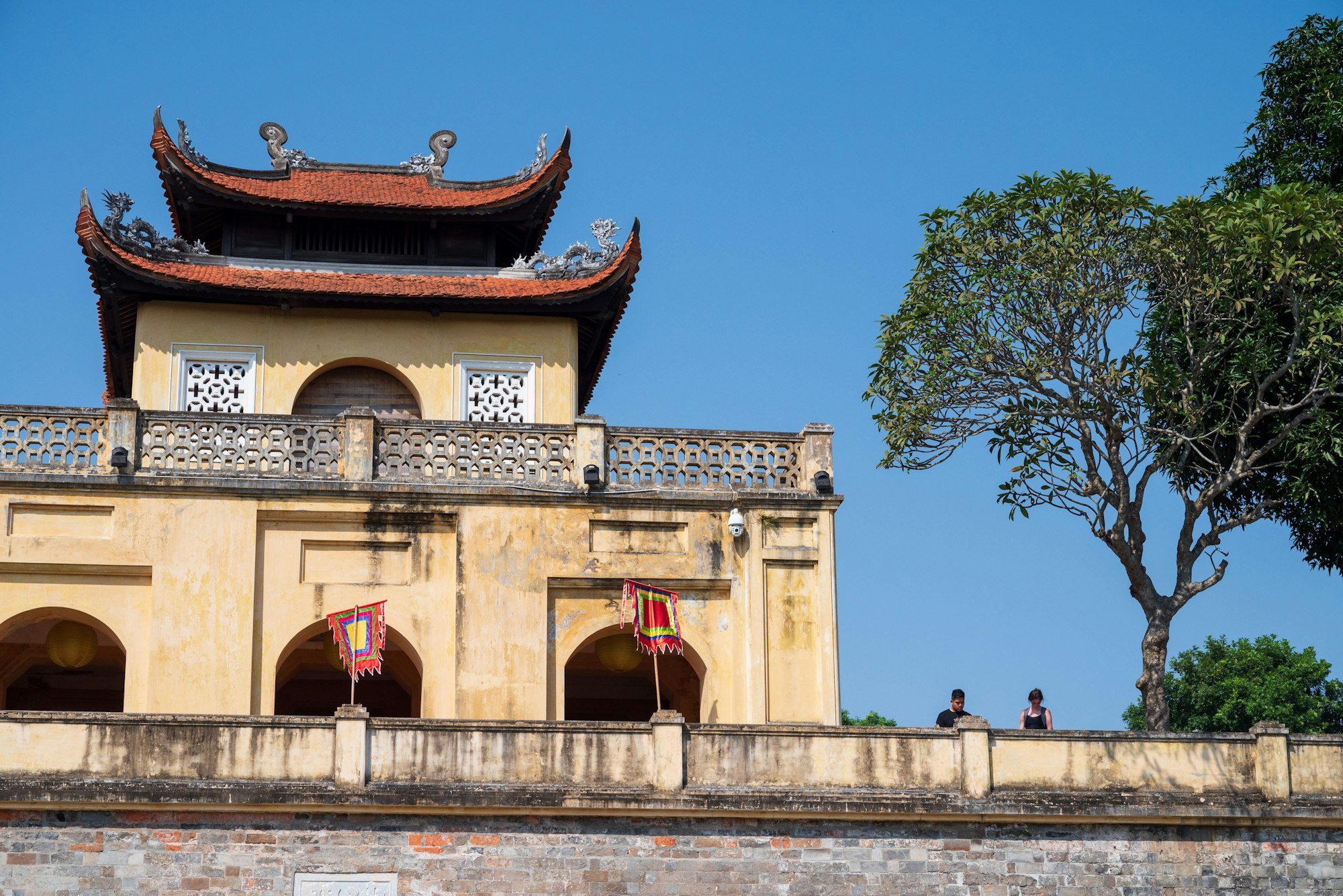
While the War Museum is one of the most popular places to visit in Vietnam, the Imperial Citadel should also make it to your list of the top things to do in Hanoi. Located in the heart of Vietnam, it’s an 11th Century UNESCO World Heritage Site.
5. Besuche die Tam Coc Höhlen
Du kannst ein Ruderboot nehmen und durch die Höhlen fahren, während ein lokaler Fischer mit seinen Füßen rudert.
If you’re looking for the best things to do in Hanoi, consider booking a ticket to see the iconic Water puppet show.
Etwa 170 km westlich von Hanoi liegt das atemberaubende Gebiet der Halong Bucht, eine der schönsten Gegenden in Vietnam. Sie beherbergt etwa 2.000 beeindruckende Kalksteineilanden.
Kristina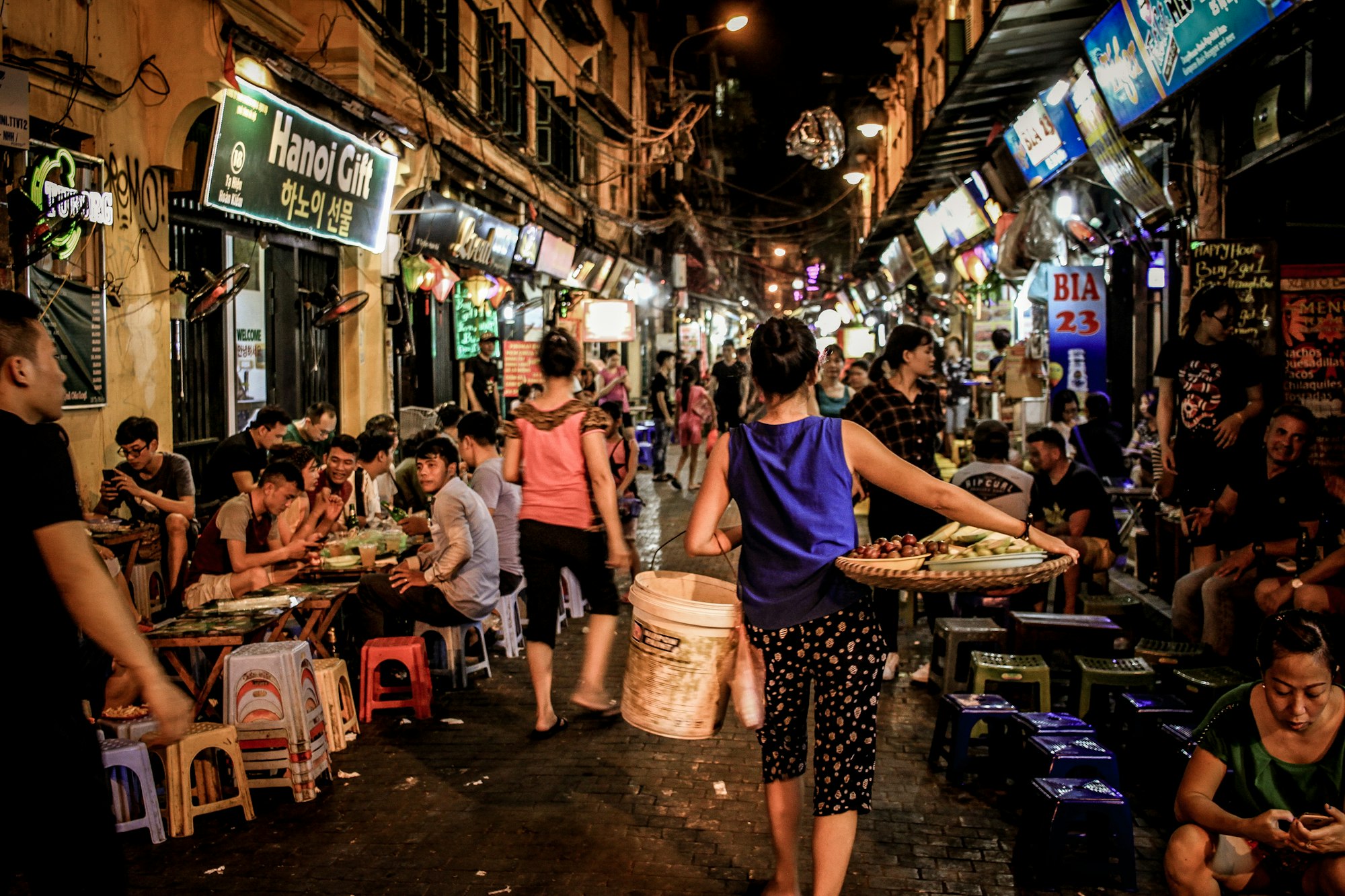
To see the show head to Thang Long Water Puppet Theatre in Hanoi. For the best experience and the best seat, pre-book your skip-the-lines ticket in advance.
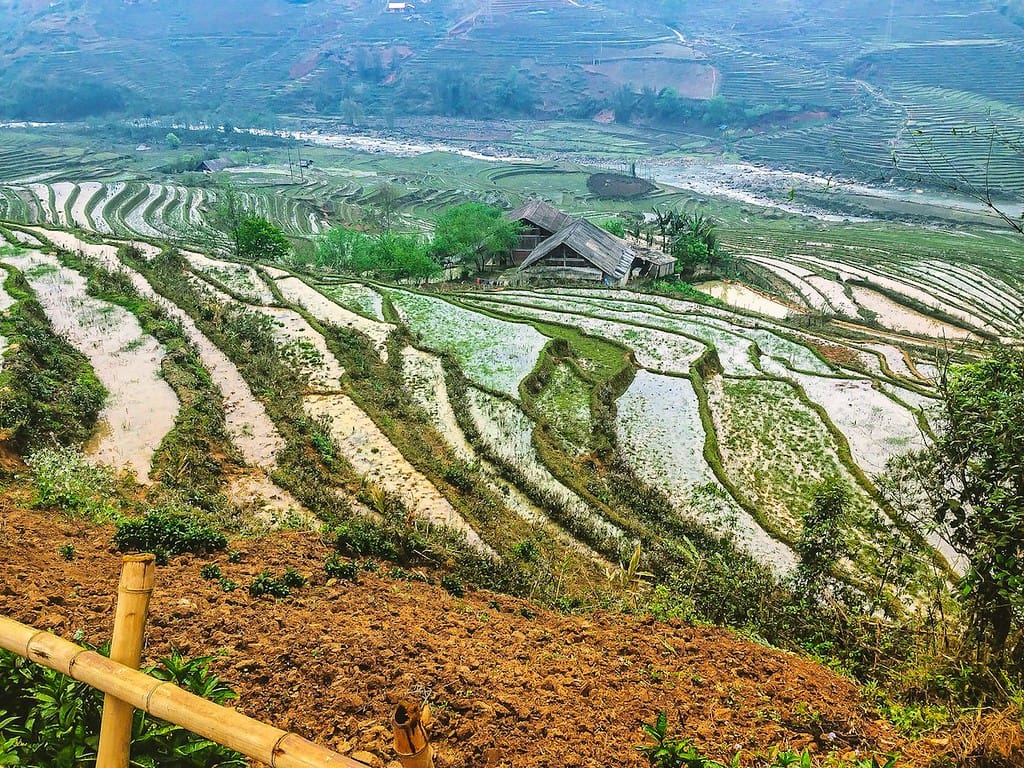
5. Trek Rice Fields in Sapa
Die dreistöckige bombensichere Höhle beherbergt 17 Zimmer, darunter ein altes Operationszimmer und eine natürliche Höhle als Kino.
[Block 31 - German translation]
Trekking rice fields in Sapa is one of the most unique things to do in Vietnam that you don’t want to miss. This area is still home to many hill tribes and the ladies from the local villages can act as your personal trekking guides. This can often include a homestay at one of the nearby mountain villages such as Ta Van.
Kristina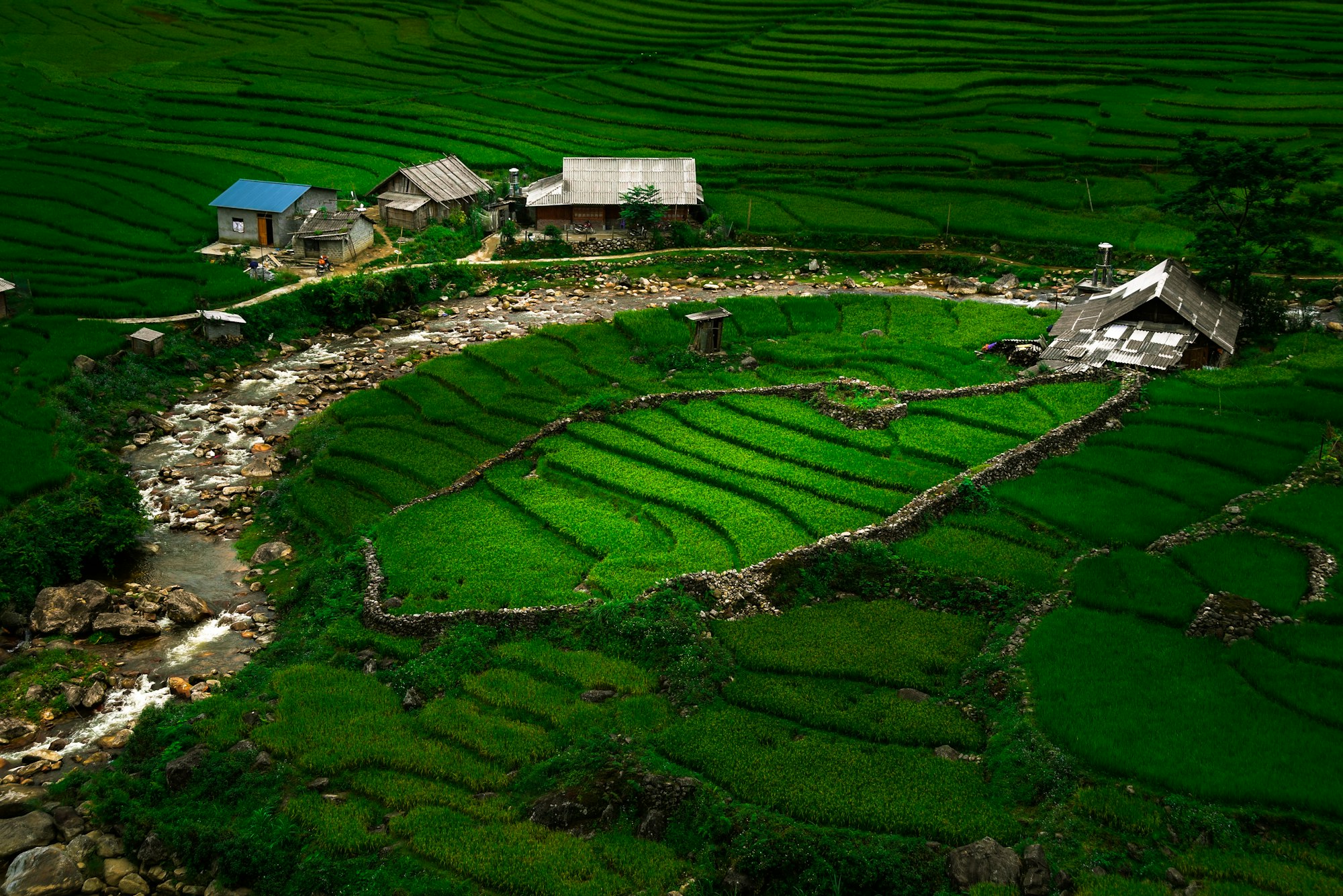
The easiest way to get to Sapa is to take a sleeper train from Hanoi. Here’s our detailed guide on how to travel from central Hanoi to Sapa via Lao Cai on a Vietnamese sleeper train and bus.
Kristina
[Block 36 - German translation]
Kristina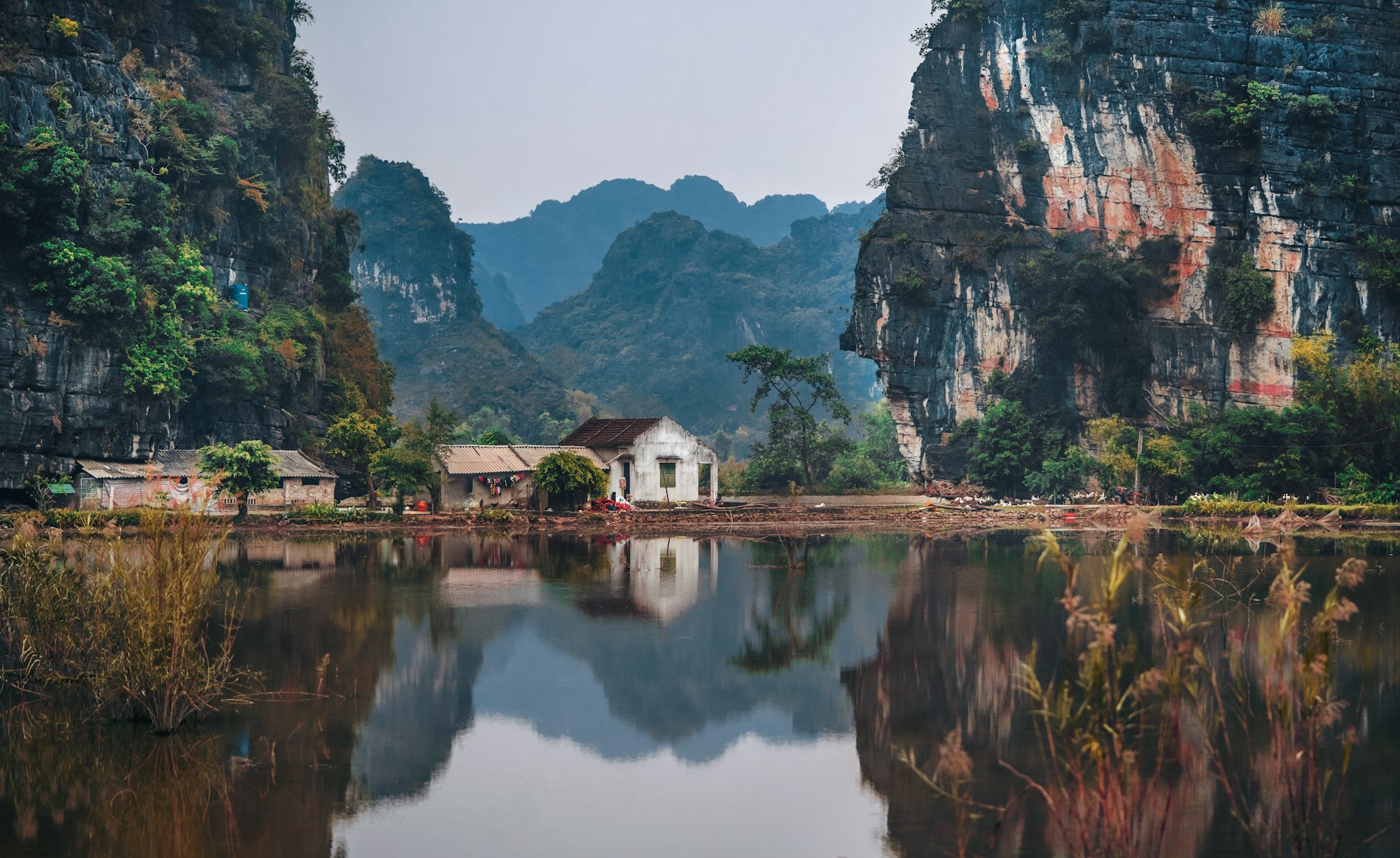
[Block 38 - German translation]
[Block 39 - German translation]
Take a day trip from Hanoi, spend a longer stay on a boat in the bay or venture over to Cat Ba Island just across the bay.
[Block 41 - German translation]
If you decide to venture to the lush island, you can take the ferry from Halong Bay and stay for a day or two. We found many intriguing things to do in Cat Ba on our visit.
Kristina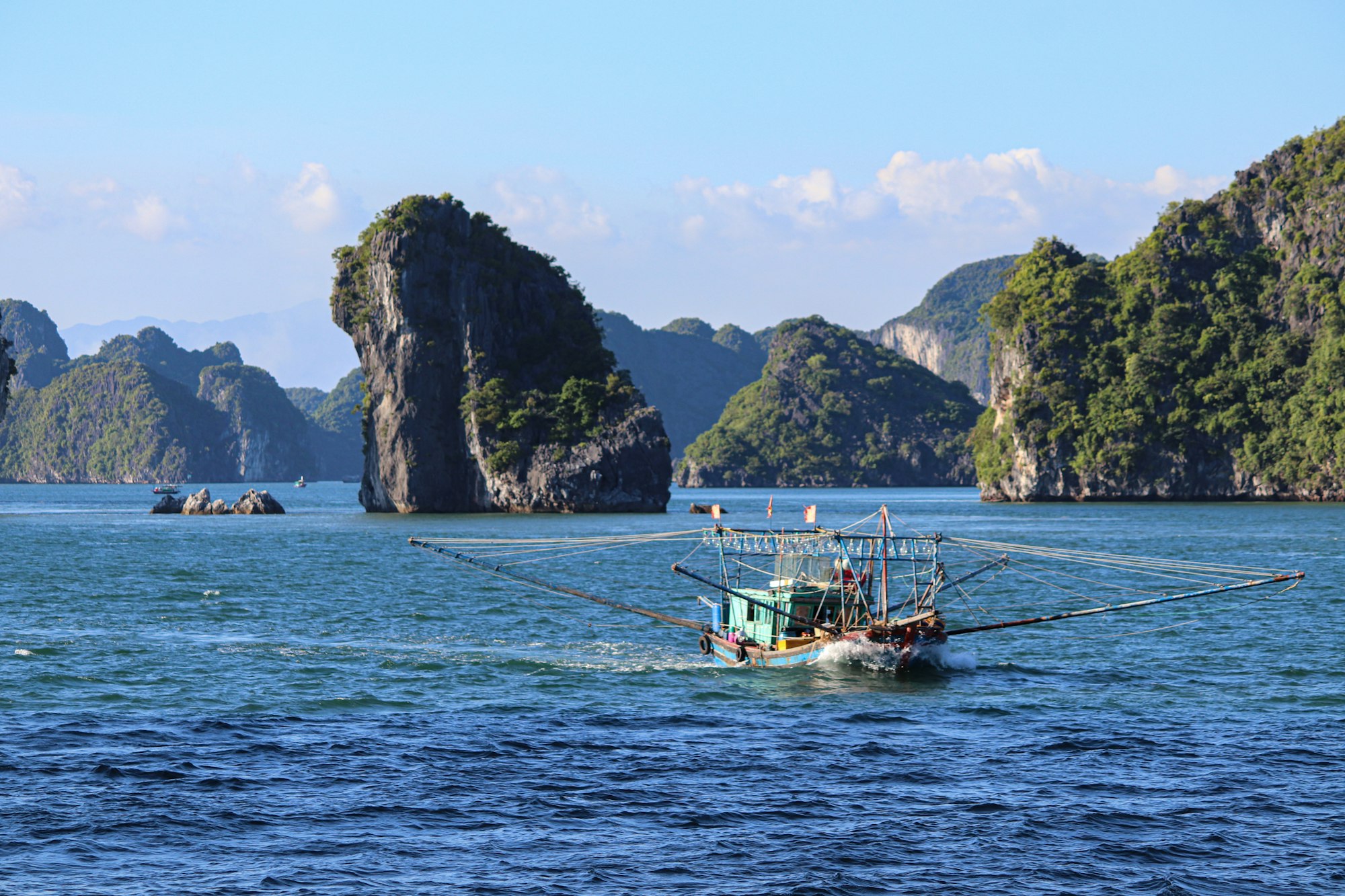
[Block 44 - German translation]
[Block 45 - German translation]
[Block 46 - German translation]
When planning your things to do in Vietnam itinerary, don’t miss the stunning Nha-Kẻ Bàng National Park, a UNESCO World Heritage Site. Set amongst the limestone karsts, it's home to five amazing caves close by, including the world’s biggest cave (so they claim).
Kristina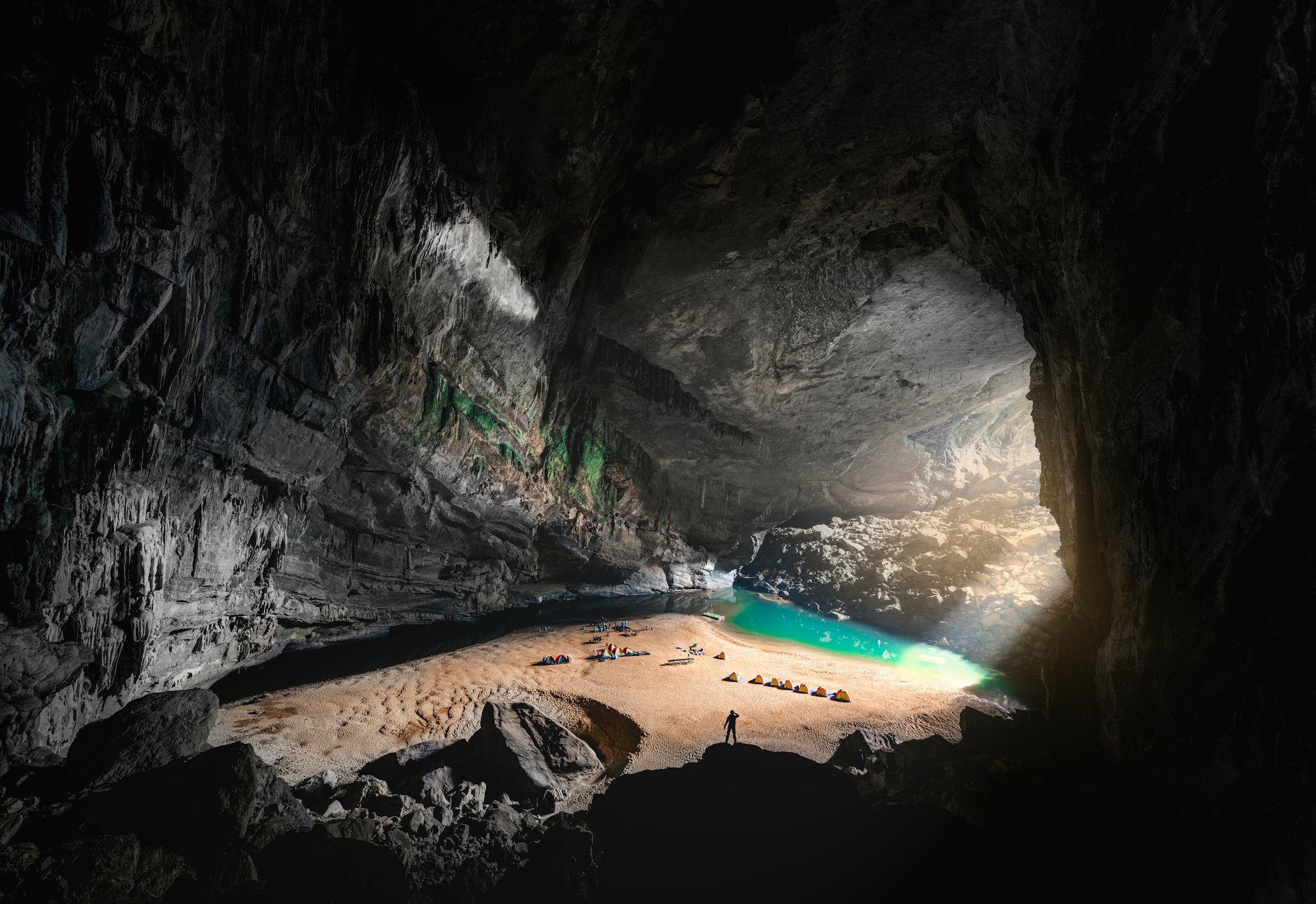
[Block 49 - German translation]
To explore the smaller caves, stay in the small town of Phong Nha. Some cave visits require booking in advance so read up before you go.
[Block 51 - German translation]
Said to be one of the most beautiful caves in Phong Nha (some claim in the world), the Paradise Cave can be explored independently. It’s one of those places to see in Vietnam that’s easy to reach and doesn’t require any special equipment to explore.
Kristina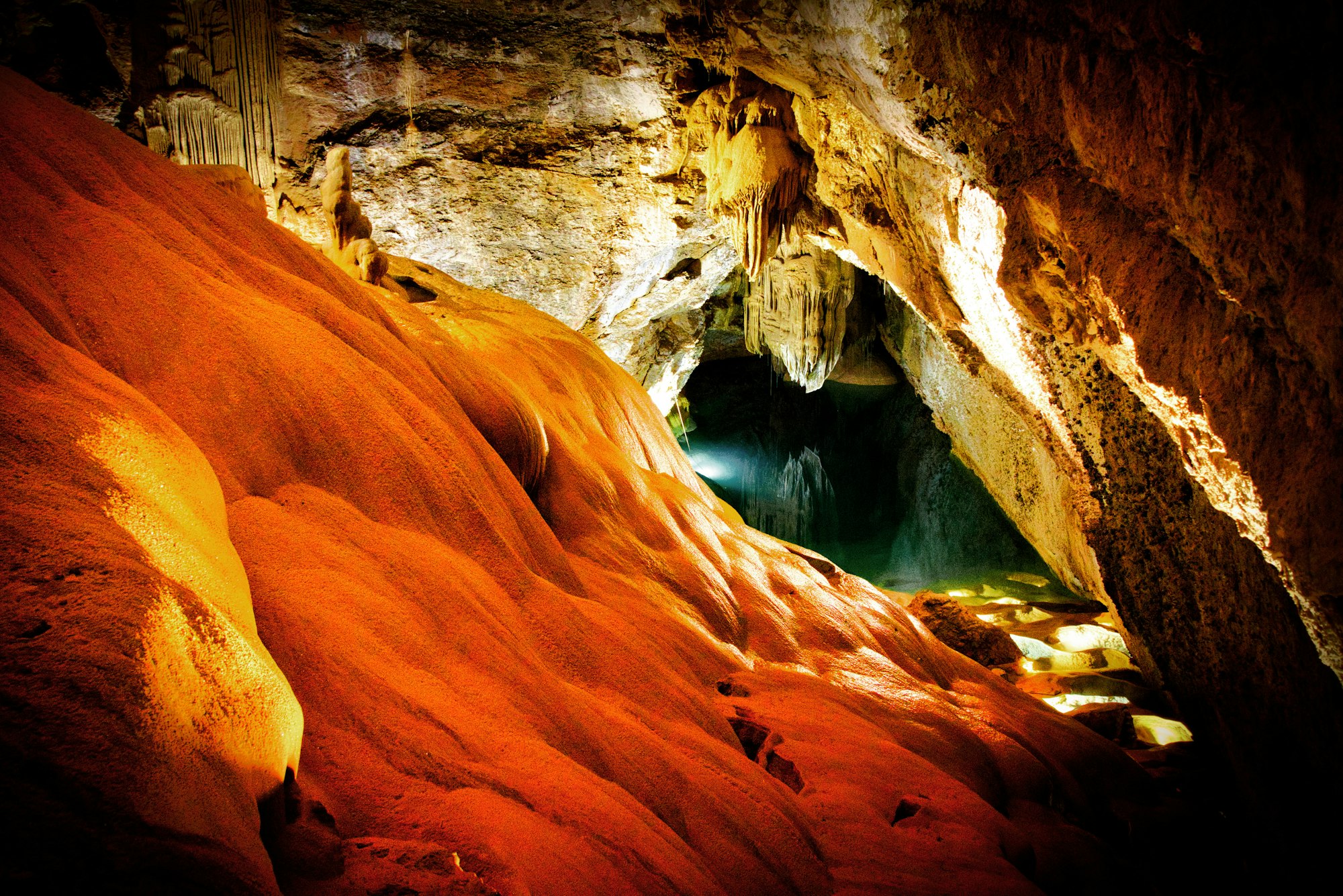
[Block 54 - German translation]
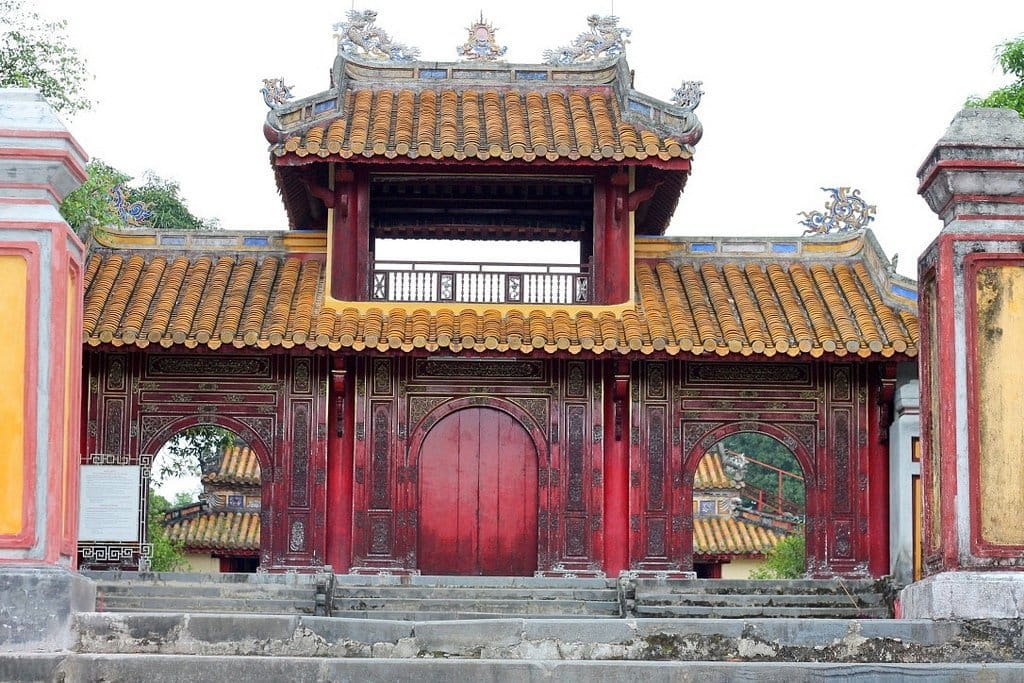
Hue (pronounced ‘hway’) was once the capital of imperial Vietnam with power transferring to Hanoi in 1945, marking the end of imperial rule. Today you can explore what was once the inner sanctum known as the Forbidden Purple City.
Kristina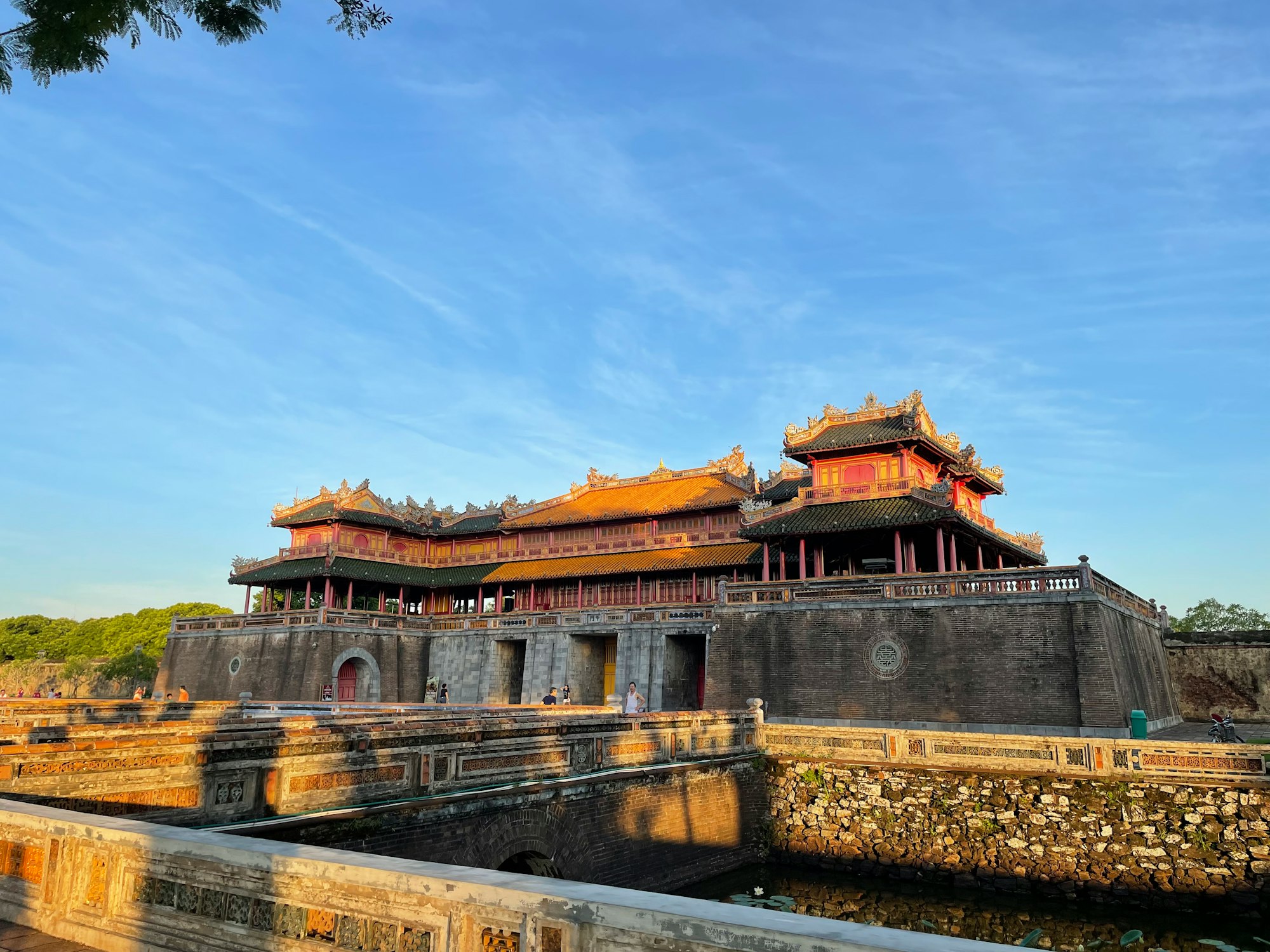
[Block 58 - German translation]
Alongside exploring the ghostly Purple City, be sure to hop on a bike to discover the ancient tombs of Hue or join one of the tours for convenience.
Kristina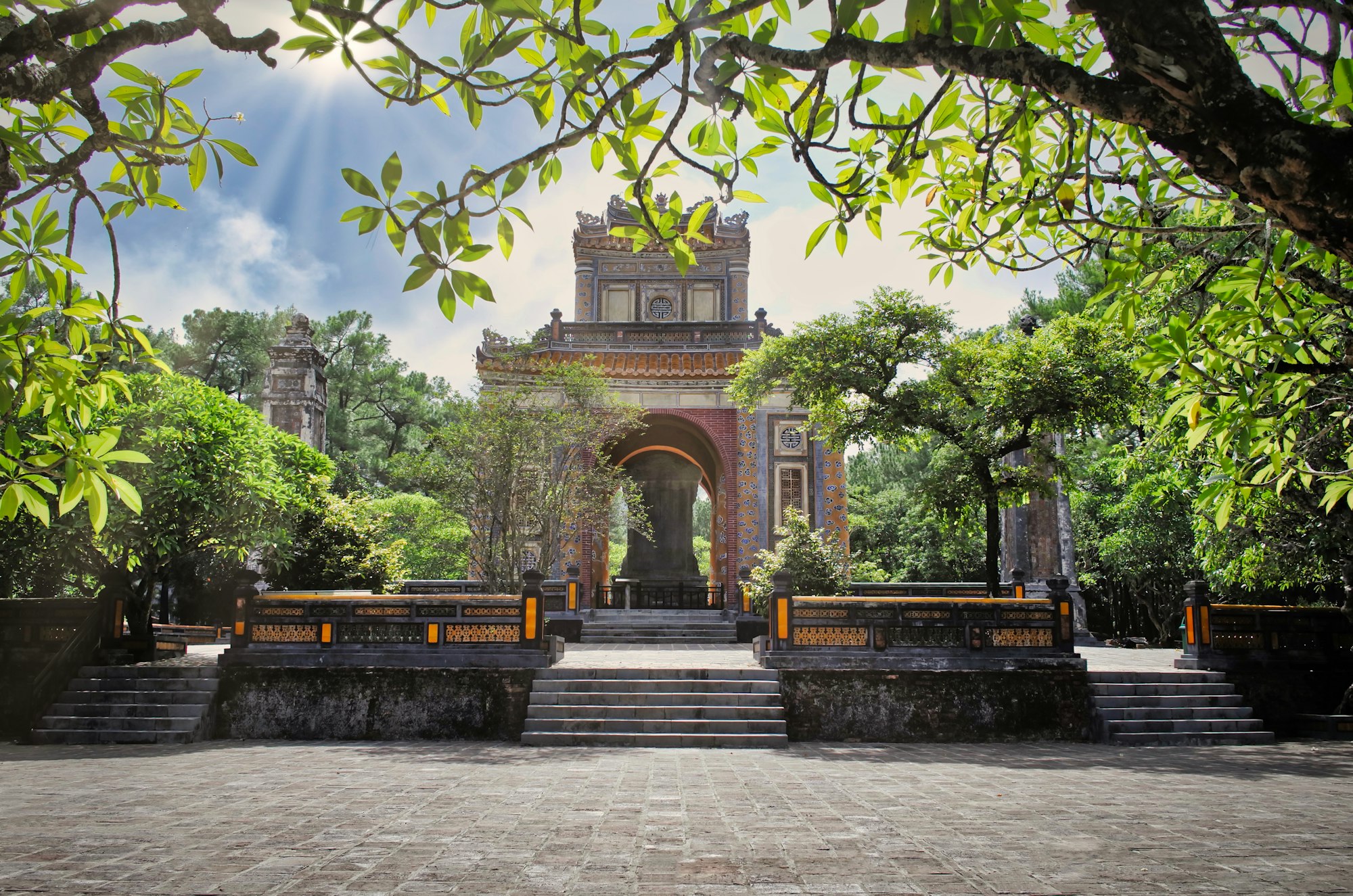
[Block 61 - German translation]
[Block 62 - German translation]
[Block 63 - German translation]
[Block 64 - German translation]
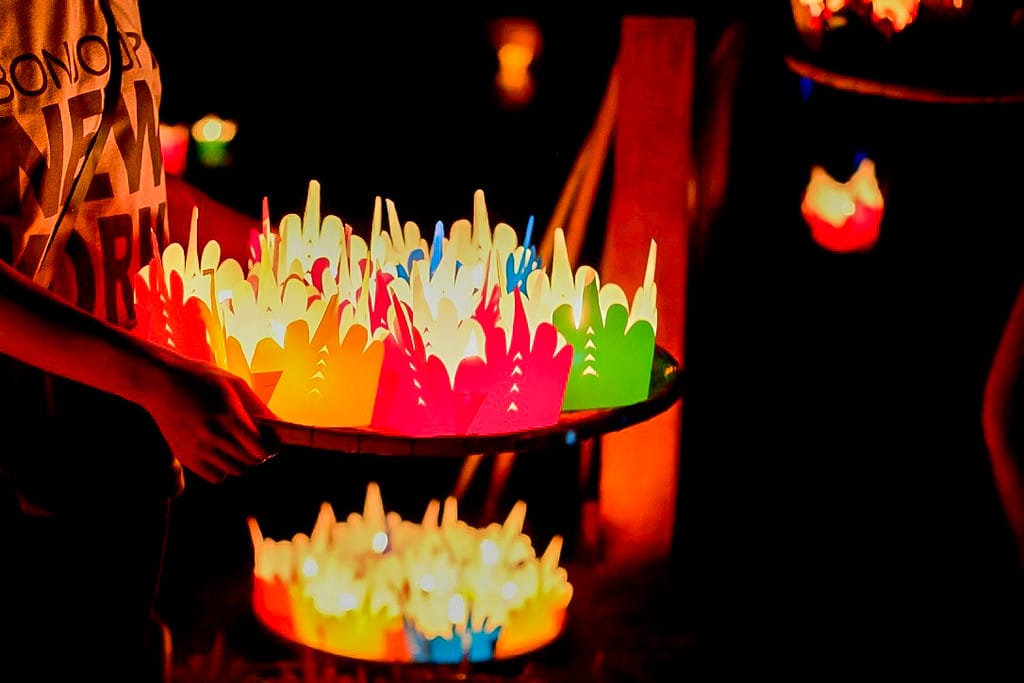
With its UNESCO status, the well preserved narrow streets of the old town area draw visitors here to experience a past vision of Vietnam. There’s much to see and do in Hoi An’s old colonial town so be sure to stick around for a couple of days if not more.
[Block 66 - German translation]
Kristina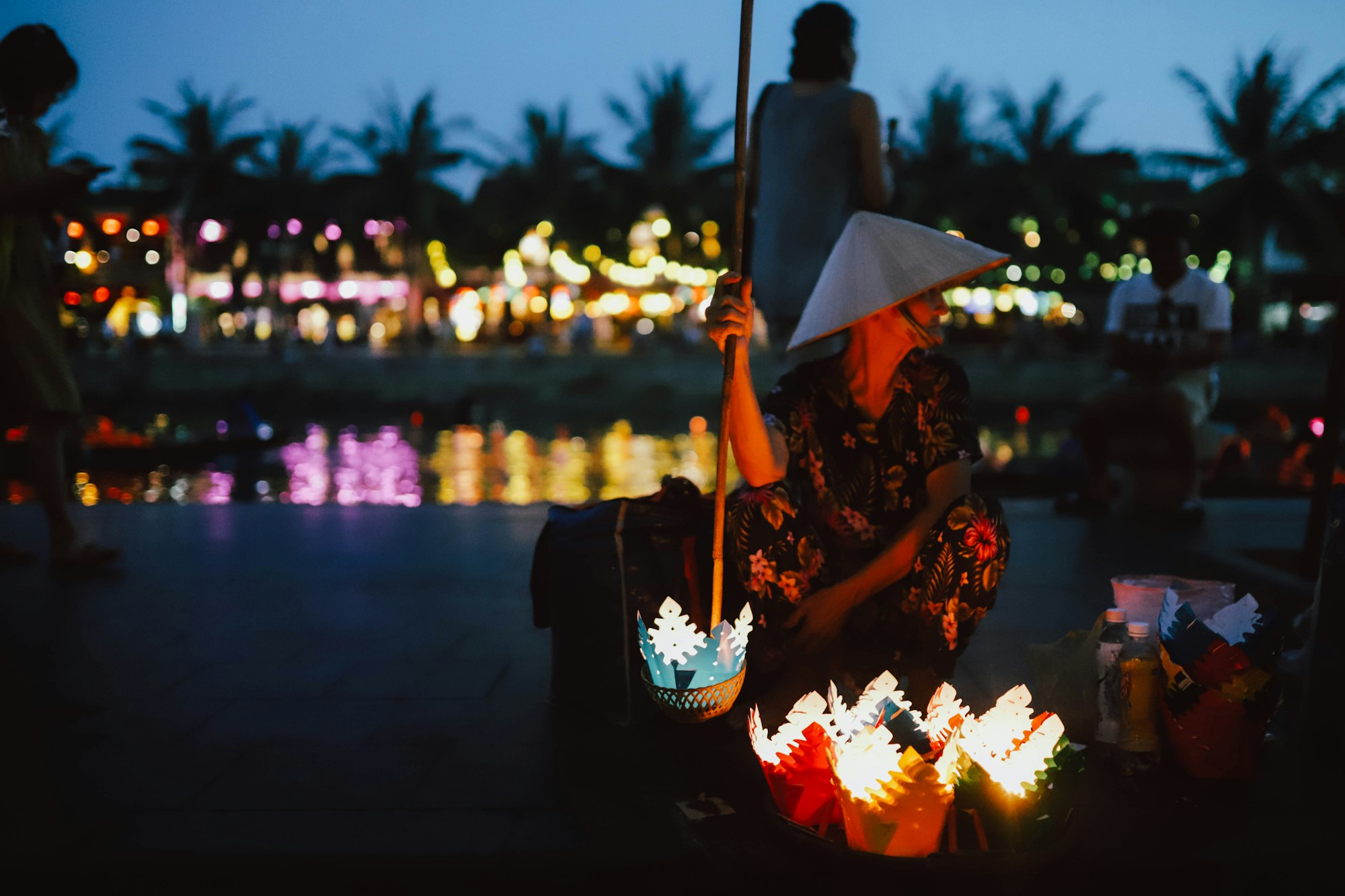
[Block 68 - German translation]
[Block 69 - German translation]
[Block 70 - German translation]
[Block 71 - German translation]
[Block 72 - German translation]
[Block 73 - German translation]
[Block 75 - German translation]
[Block 76 - German translation]
[Block 77 - German translation]
When visiting Hoi An, take some time to visit a complex of Hindu temples dedicated to the god Shiva. Erected in the 4th-13th century, earlier than the Angkor temples, it's a site that celebrates the unique Champa Kingdom that occupied coastal Vietnam at the time.
Kristina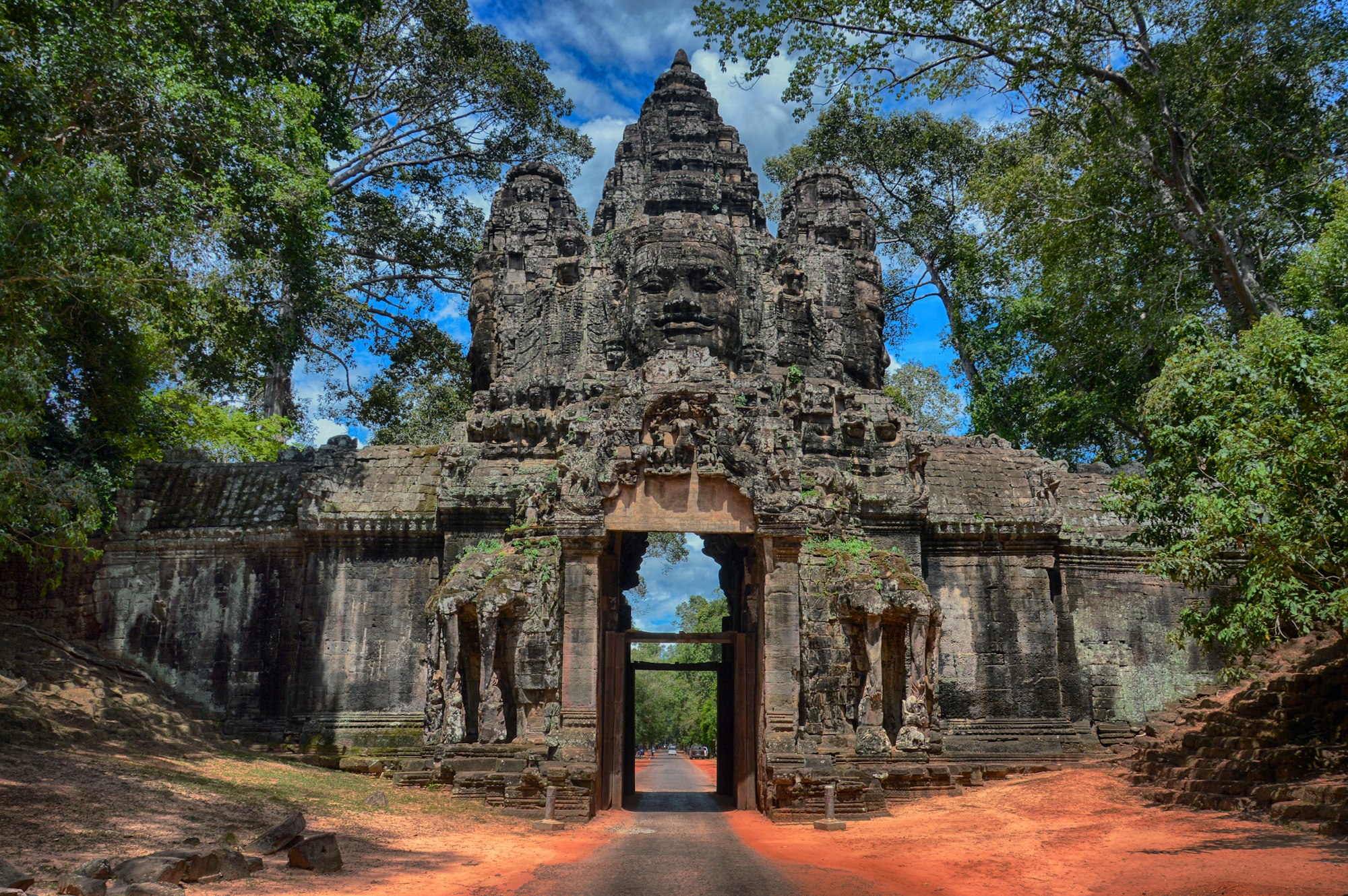
[Block 80 - German translation]
[Block 81 - German translation]
[Block 82 - German translation]
[Block 83 - German translation]
[Block 84 - German translation]
[Block 85 - German translation]
[Block 86 - German translation]
[Block 87 - German translation]
[Block 88 - German translation]
[Block 89 - German translation]
[Block 90 - German translation]
[Block 91 - German translation]
[Block 92 - German translation]
[Block 93 - German translation]
[Block 94 - German translation]
Here you can enjoy the best of south-east Asia outdoors from hiking and climbing to canyoning. When it comes to active and adventurous things to do in Vietnam, hiking the tallest peak in Da Lat is one of them.
[Block 96 - German translation]
[Block 97 - German translation]
Kristina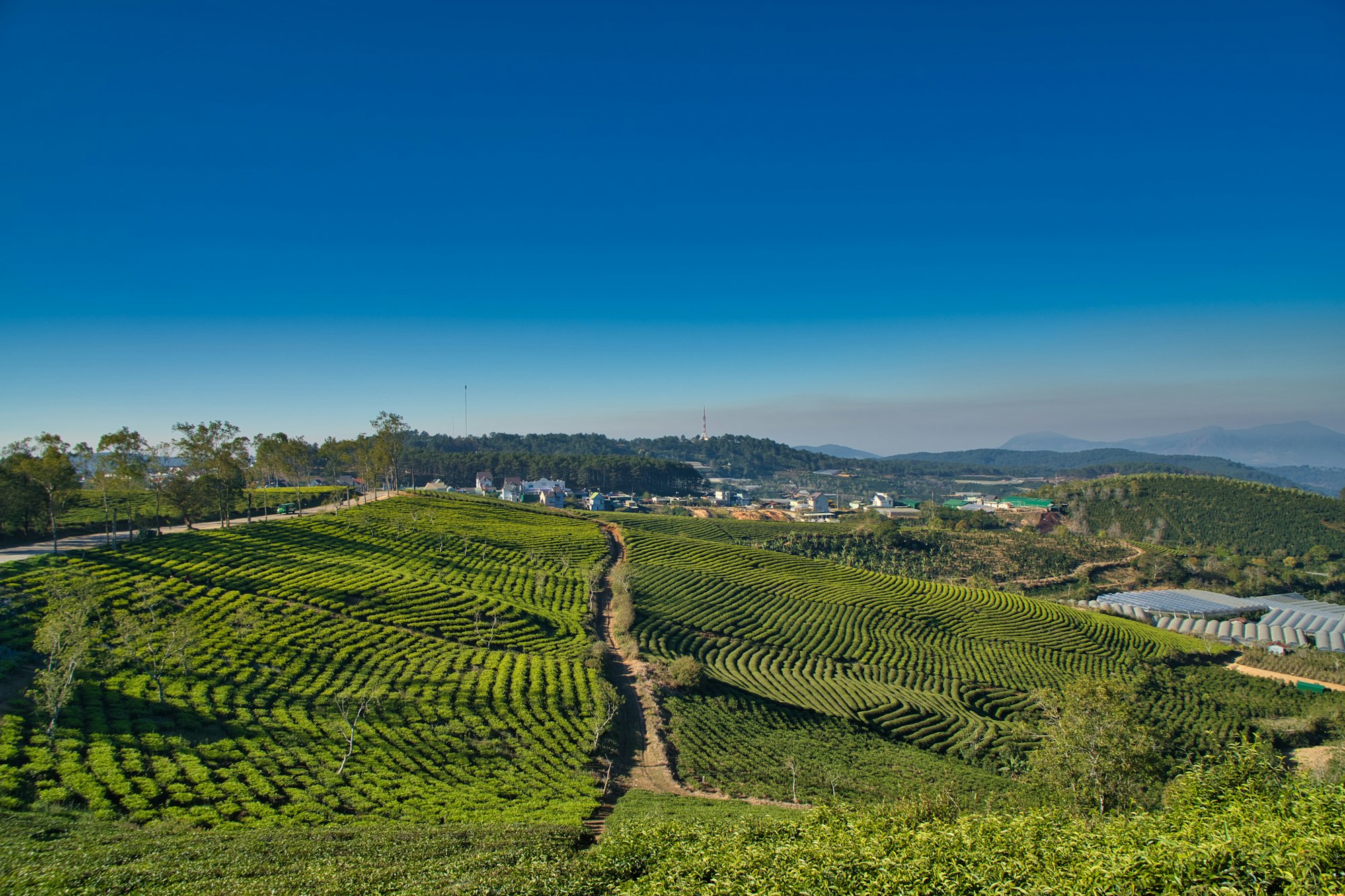
[Block 99 - German translation]
[Block 100 - German translation]
[Block 101 - German translation]
[Block 102 - German translation]
[Block 104 - German translation]
[Block 105 - German translation]
[Block 106 - German translation]
The mix of weird and wonderful attractions makes Da Lat one of the most unique places to visit in Vietnam. But Da Lat is so much more than just bizarre things to see and do.
[Block 108 - German translation]
Kristina
[Block 110 - German translation]
[Block 111 - German translation]
[Block 112 - German translation]
[Block 113 - German translation]
[Block 114 - German translation]
[Block 115 - German translation]
Just off the main highway around halfway between Dalat and Ho Chi Minh City you’ll find the peace and tranquillity of Cat Tien National Park. It’s over 72,000 hectares of the wildly diverse park offering a range of safaris and hikes for visitors.
Kristina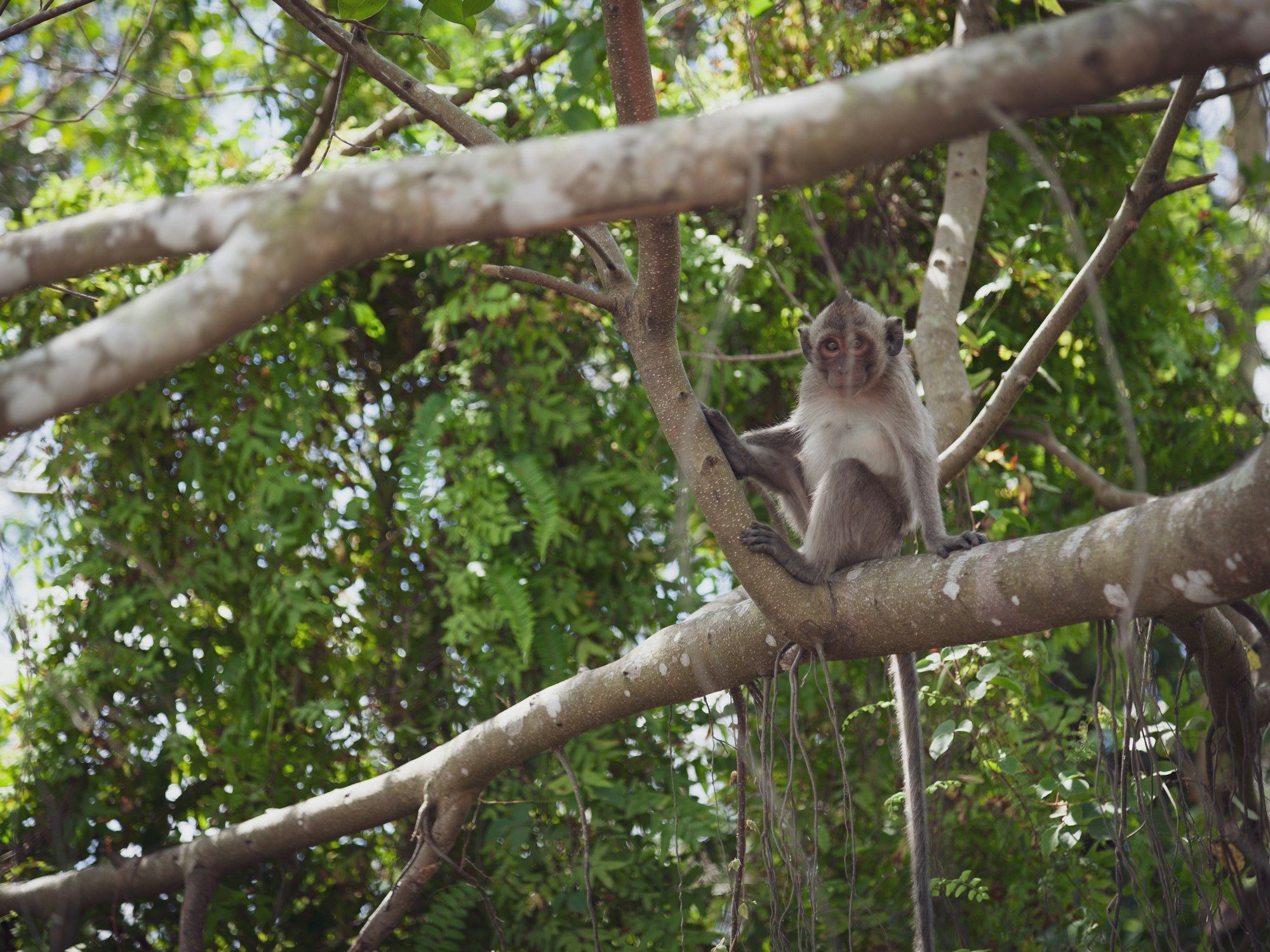
[Block 118 - German translation]
[Block 119 - German translation]
[Block 120 - German translation]
[Block 121 - German translation]
[Block 122 - German translation]
[Block 123 - German translation]
[Block 124 - German translation]
[Block 125 - German translation]
[Block 126 - German translation]
In recent years, alongside the stunning landscape, boats that the locals row with feet have become a major attraction in the area. The flourishing tourism industry in Vietnam brought large numbers of curious travellers to the mythical Tam Coc.
Kristina
[Block 129 - German translation]
You can either take a day trip from Hanoi or stay in Tam Coc for a couple of days to explore, which we highly recommend. The best way to reach the village is by catching a taxi from Nim Binh.
[Block 131 - German translation]
[Block 132 - German translation]
[Block 133 - German translation]
[Block 134 - German translation]
[Block 135 - German translation]
[Block 136 - German translation]
[Block 137 - German translation]
[Block 138 - German translation]
[Block 139 - German translation]
[Block 140 - German translation]
[Block 142 - German translation]
[Block 143 - German translation]
Nguyen Hue Walking Street - this is a wide plaza area in the middle of District 1, with the beautiful City Hall at one end, stretching down to the river at the other. It’s flanked on either side by some beautiful French colonial architecture and is a popular spot for locals to hang out in the evenings.
[Block 145 - German translation]
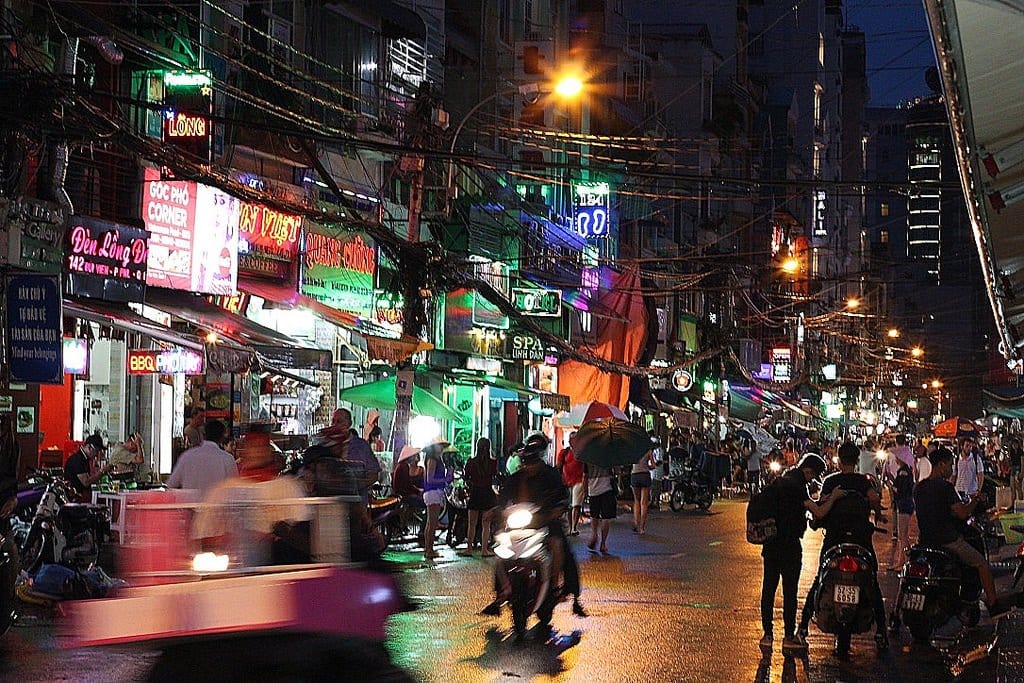
Bui Vien Walking Street - is the Saigon's equivalent to Bangkok’s Khao San Road, packed with rowdy bars, spots to eat and regular offers of massages. It’s a fun area to have a wander through even if loud music and cheap booze isn’t your thing, just stay alert to the usual tourist scams on offer.
[Block 147 - German translation]
[Block 148 - German translation]
[Block 149 - German translation]
[Block 150 - German translation]
[Block 151 - German translation]
[Block 152 - German translation]
When visiting HCMC, don’t miss the French-influenced Notre Dame Cathedral and the striking Post Office building. The latter, built by Gustave Eiffel, is still in operation at full capacity.
Kristina
[Block 155 - German translation]
[Block 156 - German translation]
[Block 157 - German translation]
The mighty Mekong river starts in the Himalayas and flows past China, Myanmar, Thailand, Cambodia and Vietnam. Here, it splits into smaller rivers known as tributaries slowly moving into the sea.
It’s one of the most unique places to visit in Vietnam. With a tour or independently, spare at least two days to explore the wonders of the Nine Dragons River Delta.
[Block 160 - German translation]
[Block 161 - German translation]
[Block 162 - German translation]
[Block 163 - German translation]
[Block 164 - German translation]
[Block 165 - German translation]
[Block 167 - German translation]
[Block 168 - German translation]
[Block 169 - German translation]
In the bigger towns and cities, you’ll find places to exchange your money. Most banks will offer this service but don’t forget to use a handy app like the XE Currency Exchange app to check you’re getting a decent rate on the go.
[Block 171 - German translation]
[Block 172 - German translation]
[Block 173 - German translation]
[Block 174 - German translation]
[Block 175 - German translation]
[Block 177 - German translation]
[Block 178 - German translation]
[Block 179 - German translation]
[Block 180 - German translation]
[Block 181 - German translation]
[Block 182 - German translation]
[Block 183 - German translation]
[Block 184 - German translation]
[Block 185 - German translation]
[Block 186 - German translation]
[Block 187 - German translation]
[Block 188 - German translation]
[Block 189 - German translation]
[Block 190 - German translation]
[Block 191 - German translation]
[Block 192 - German translation]
The website 12GoAsia comes in handy for comparing and booking airfares across Southeast Asia to find you the cheapest or most convenient option. It will also link you up with rail and bus travel for an all in one travel option for Vietnam.
[Block 194 - German translation]
[Block 195 - German translation]
[Block 196 - German translation]
We opted instead to take the public ferry to Cat Ba Island from the mainland and our tickets cost 70,000 VND ($3.15 USD) each for a one-way trip.
Kristina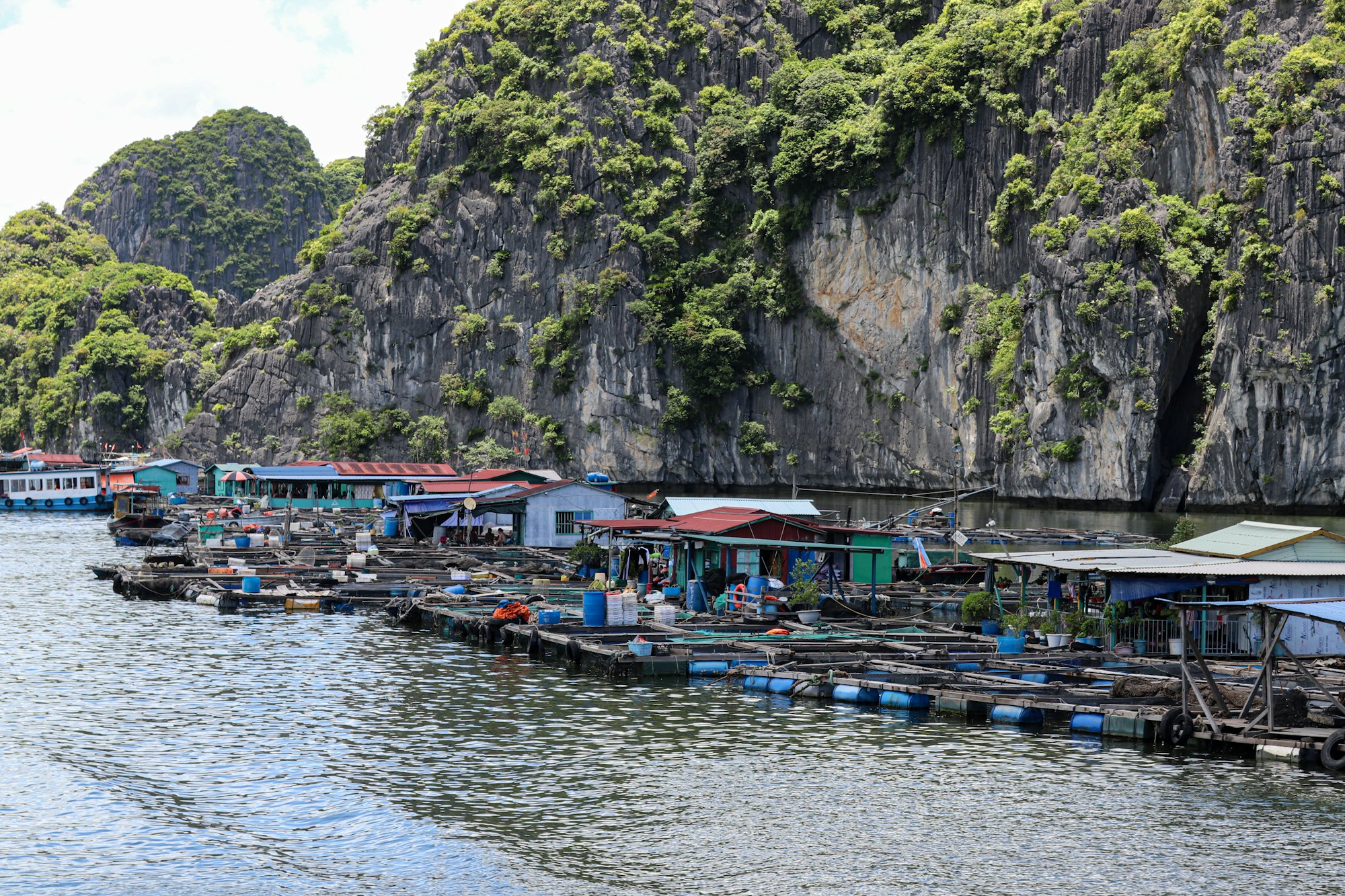
[Block 199 - German translation]
[Block 200 - German translation]
[Block 201 - German translation]
Top Tip: To check information and routes we used the excellent Seat61.com rail travel website. Then we booked our Vietnam train tickets using the super friendly 12GoAsia website. Book online and there’s no need to print your tickets, just show them to the station staff before you board on your smartphone. No running around looking for a place to print anything. Nice.
[Block 203 - German translation]
[Block 204 - German translation]
[Block 205 - German translation]
[Block 206 - German translation]
[Block 207 - German translation]
[Block 208 - German translation]
[Block 209 - German translation]
[Block 210 - German translation]
You can again use the friendly Vietnam travel website 12GoAsia to check times and prices for the major bus companies and show your tickets on your smartphone. Nice and simple.
[Block 213 - German translation]
[Block 214 - German translation]
[Block 215 - German translation]
[Block 216 - German translation]
[Block 217 - German translation]
[Block 218 - German translation]
[Block 219 - German translation]
[Block 221 - German translation]
[Block 223 - German translation]
[Block 224 - German translation]
[Block 225 - German translation]
[Block 226 - German translation]
[Block 227 - German translation]
[Block 228 - German translation]
[Block 229 - German translation]
Obtain a visa on arrival at one of the 3 international airports in HCMC (Saigon), Hanoi or Dalat. To do this you will need a ‘letter of approval’ first. This is the route we took due to time restrictions and it avoids embassy visits but costs more.
Approval letters are available from agencies in person or online, however, there are many reports of bogus agencies that are happy to steal your money in return for a fake letter.
We used vietnamvisacenter.org online and had no issues. They are possibly not the cheapest but the service was quick and secure with clear English instructions and emails sent.
How much does a Vietnam visa cost?
As an example, we paid $45 per approval letter for a 3-month visa on the 1-day service. Then when you arrive at the airport in Vietnam head over to the ‘landing visa counter’ to obtain your visa. This cost us another $25 each for the ‘stamping fee’, it was a very nice stamp though.
So you can see that it was $70 each for a 3-month tourist visa but would certainly have cost less if we had taken option 1 at an embassy. Plus you can’t yet use this method if travelling via a land border.
Can you extend a Vietnam visa?
Officially it’s not currently possible to extend a tourist visa once you are inside Vietnam. However, during our 1 month plus stay in Hoi An we learnt of a few local agents that could possibly extend tourist visas.
As it transpired there were local elections taking place so extensions were not possible but that was set to change a few weeks later. Once you are in Vietnam ask around and it may be possible to extend your visa, and if not, there’s always the joy of a border run!
Health Issues in Vietnam
The number for emergency services in Vietnam is 115 from any local phone or cell phone.
Do you need travel insurance?
Make sure you are covered by good health insurance before visiting Vietnam. The country has both public and private hospitals and clinics. Foreigners will generally use the private option where available but it will need paying for.
Do you need injections for Vietnam?
Seek the advice of your healthcare provider before travelling to Vietnam, particularly if you are visiting more rural areas of the country. Getting vaccinated can take several weeks for a course of 2 or 3 injections if needed.
Do you need to take malaria tablets for Vietnam?
There is a low to no risk status for the majority of Vietnam but it’s advisable to take precautions against insect bites. You can find a handy malaria map and further advice by following the link. Again, seek advice before you go as above.
Can you drink tap water in Vietnam?
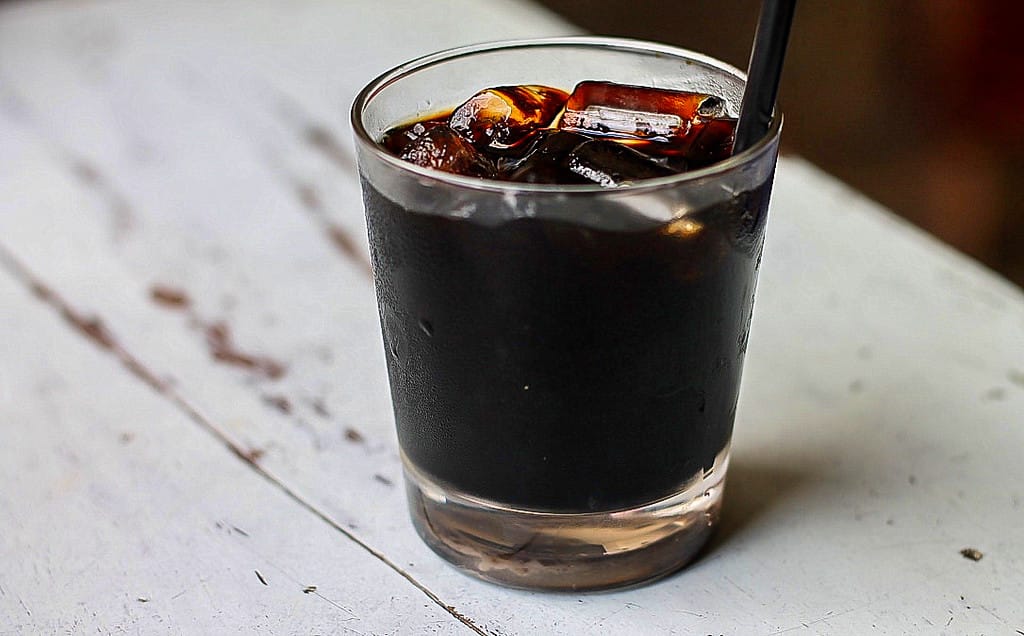
Do not drink tap water anywhere in Vietnam. Also, be cautious with ice in drinks as this can be made from untreated tap water. Bottled water is cheap and available pretty much everywhere.
Is street food safe in Vietnam?
When eating out use your common sense and avoid anywhere that looks unclean or poorly maintained. We would encourage you to try some street food, very often these spots are cleaner than restaurants where the kitchen is hidden.
At many local food joints, you’ll see some cut-up limes on the table. Wipe these over your forks or chopsticks to help sterilise them, it’s what the locals do. Then don’t forget to squeeze the remaining juice onto your food for even more flavour.
The two times we had a bad stomach bug in 3 months in Vietnam it was from a ‘western-style’ restaurant which says a lot. Higher prices do not always mean higher standards!
When is the Best Time to Visit Vietnam?
Vietnam is a long country, stretching from China down towards the equator, temperature and climate can vary dramatically. This means that there is no one ideal time to visit the whole country weather-wise.
Split Vietnam into 3 sections for the best weather months:
North (Hanoi, Sapa, Cat Ba Island) – October, November and December have less rain and clearer views. We were here in March and it was rather cold and misty.
Middle (Hue, Danang, Nha Trang) – January through to July for dry days with lower more comfortable temperatures.
South (Saigon, Mekong Delta) – November through to February/March are dry and slightly less hot.
Top Travel Tip: If you are travelling the whole length of the country light clothes will see you through most of it. Anything that will dry quickly is great, it can be hard to avoid the occasional storm. An umbrella can be useful too.
You might need warmer clothes for the northern areas. We picked up a couple of jackets in Hanoi for a few dollars each. Remember: don’t overpack!