
Best Things to Do in the French Basque Country: A Complete Guide

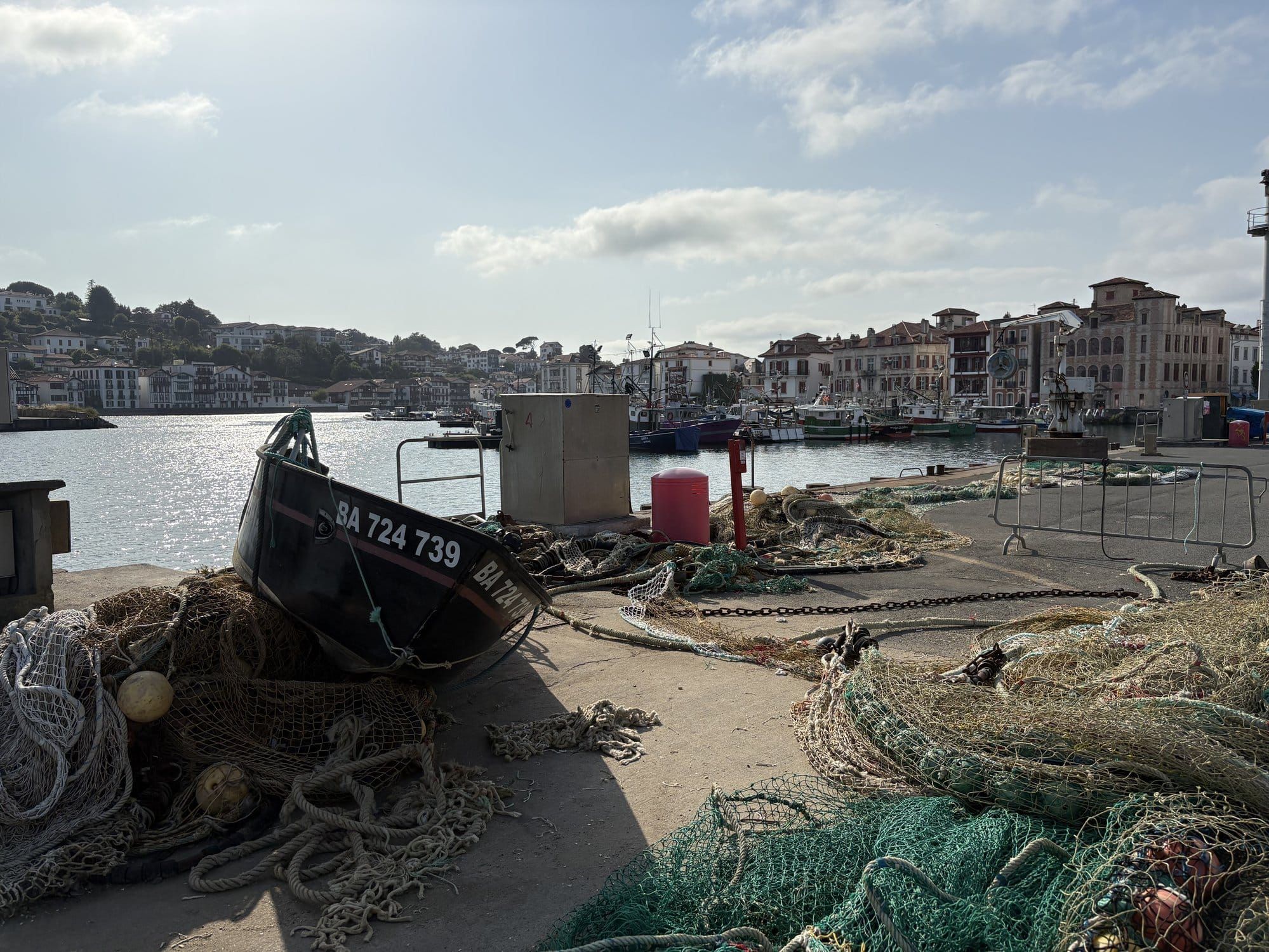
The French Basque Country is where the Pyrenees meet the Atlantic, and the result is one of the most distinctive corners of Europe. Red-and-white half-timbered houses, world-class surf breaks, mountain railways and some of the best food in France — all packed into a stretch of coastline barely fifty kilometres long.
We spent nine days here in August 2025, driving between the beach towns, eating our way through Bayonne and crossing into Spain for the afternoon. It is the kind of place where every village has its own character, and the combination of ocean, mountains and Basque culture creates something you simply will not find anywhere else in France. Here is our guide to the best things to do in the French Basque Country.
Bookings: Some of the links in this article are affiliate links. This means that if you choose to make a booking, we will receive a small commission at no extra cost to you. Thank You!
Explore Saint-Jean-de-Luz
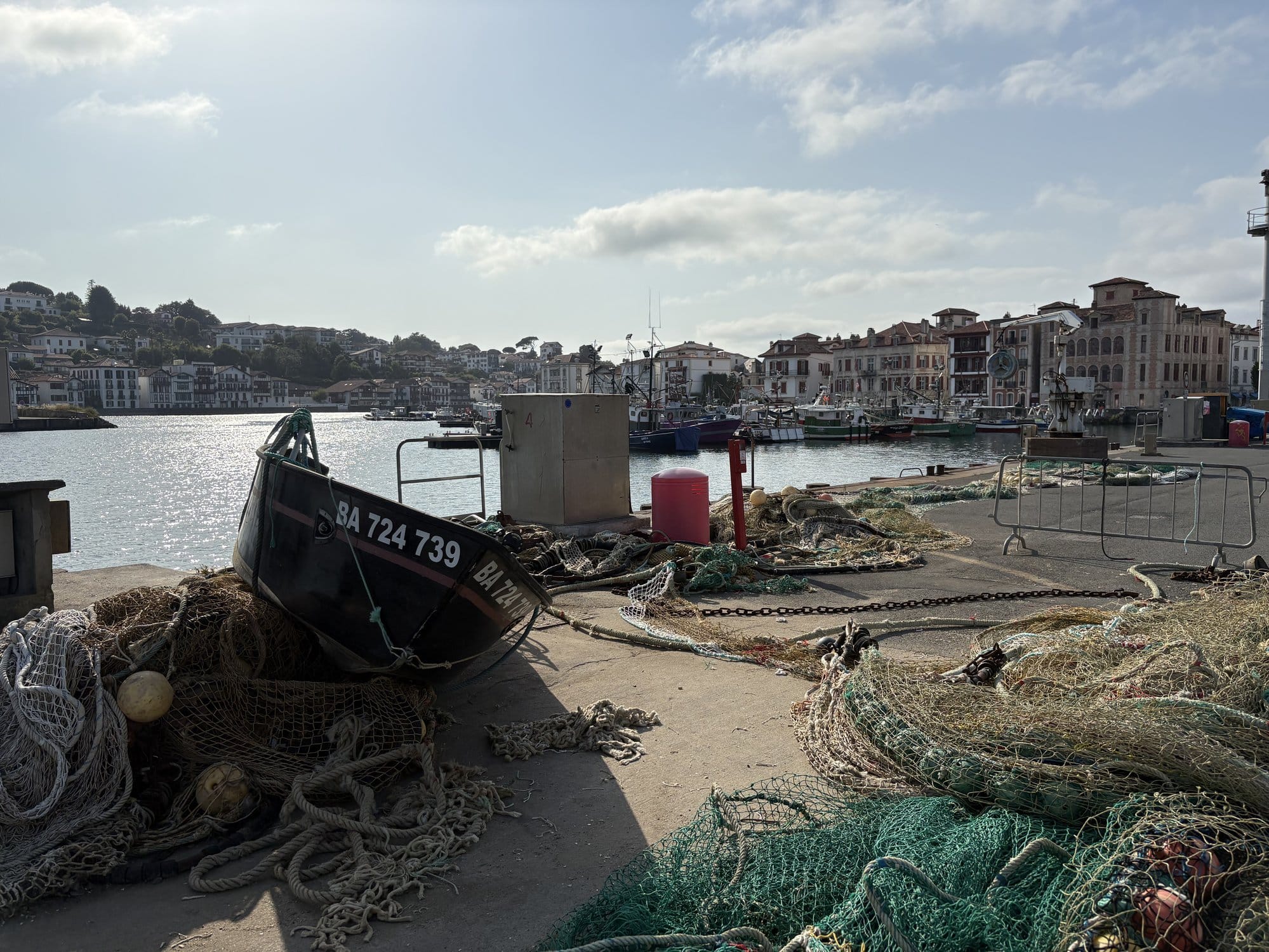
Saint-Jean-de-Luz is the quieter, more elegant sibling of Biarritz, and it quickly became our favourite base in the Basque Country. The old fishing port is still working — you will see colourful nets spread across the quay and small trawlers bobbing beside the harbour wall — and the pedestrian streets behind are lined with Basque linen shops, chocolate makers and bakeries selling gâteau basque.
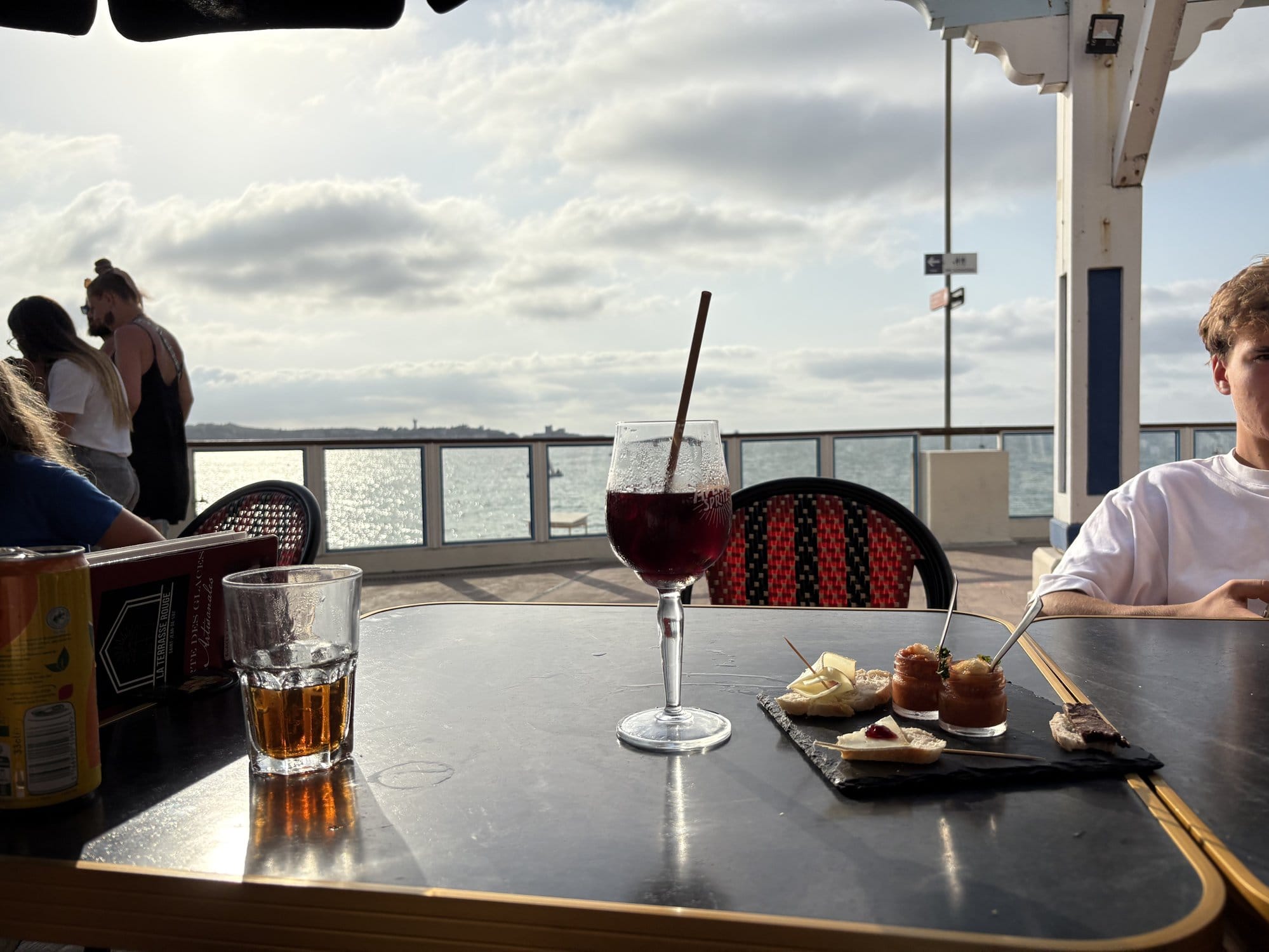
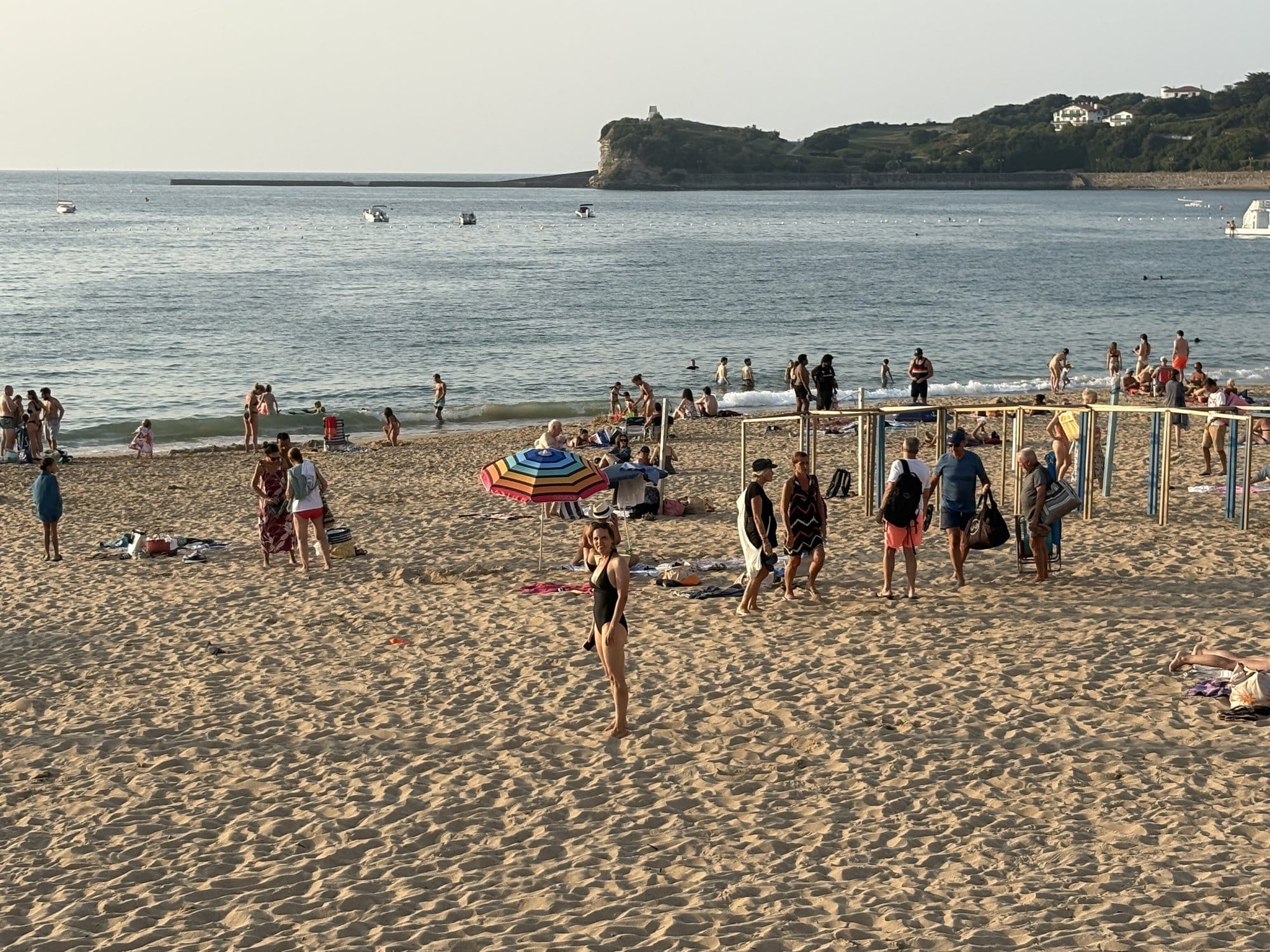
The town's sheltered bay is one of the few on this coast where swimming is genuinely safe for families — a pair of stone breakwaters built in the 17th century tame the Atlantic swells, creating a calm, sandy beach right in the centre of town. In the evening, grab a table at one of the terraces along the seafront and watch the sun drop into the ocean over a glass of Irouléguy, the local Basque wine.
The beach is lively but never overwhelming, with the distinctive headland of Sainte-Barbe closing the bay to the north and the hills of Ciboure to the south. On a warm August evening, half the town seems to gather on the sand.
Surf at Biarritz and the Côte des Basques
Biarritz is the surf capital of Europe, and even if you have never picked up a board, spending a morning watching the surfers at the Côte des Basques is one of those quintessential Basque Country moments. The beach sits below a low cliff, and from the seawall above you get a perfect view of the breaks stretching south towards Bidart and Guéthary.
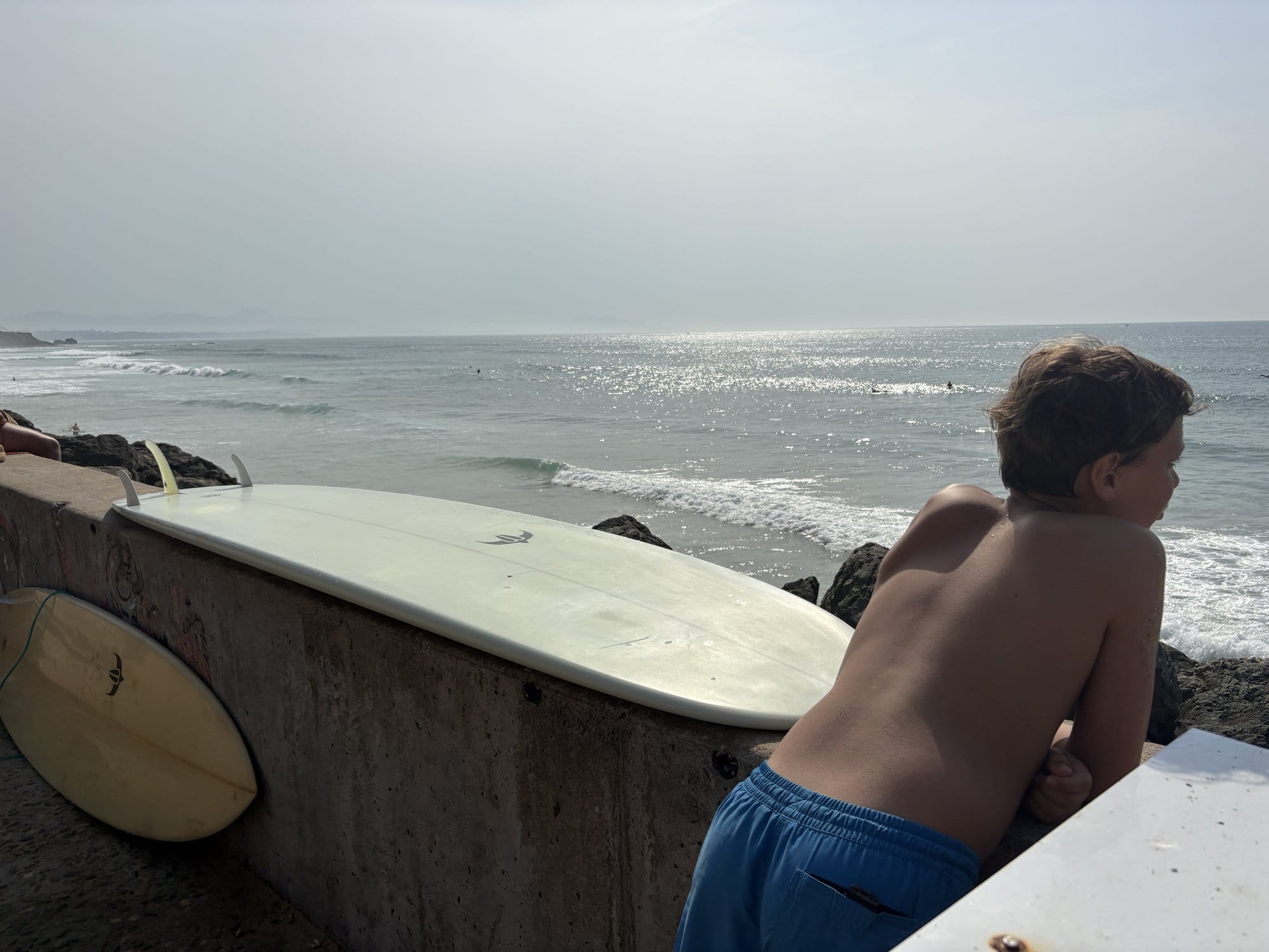
If you want to try surfing yourself, Biarritz has dozens of surf schools offering beginner lessons. A two-hour group lesson costs around €40–€50, and the instructors are used to working with complete beginners and families with children. The waves at the Côte des Basques and the Grande Plage are among the most consistent in Europe between May and October.
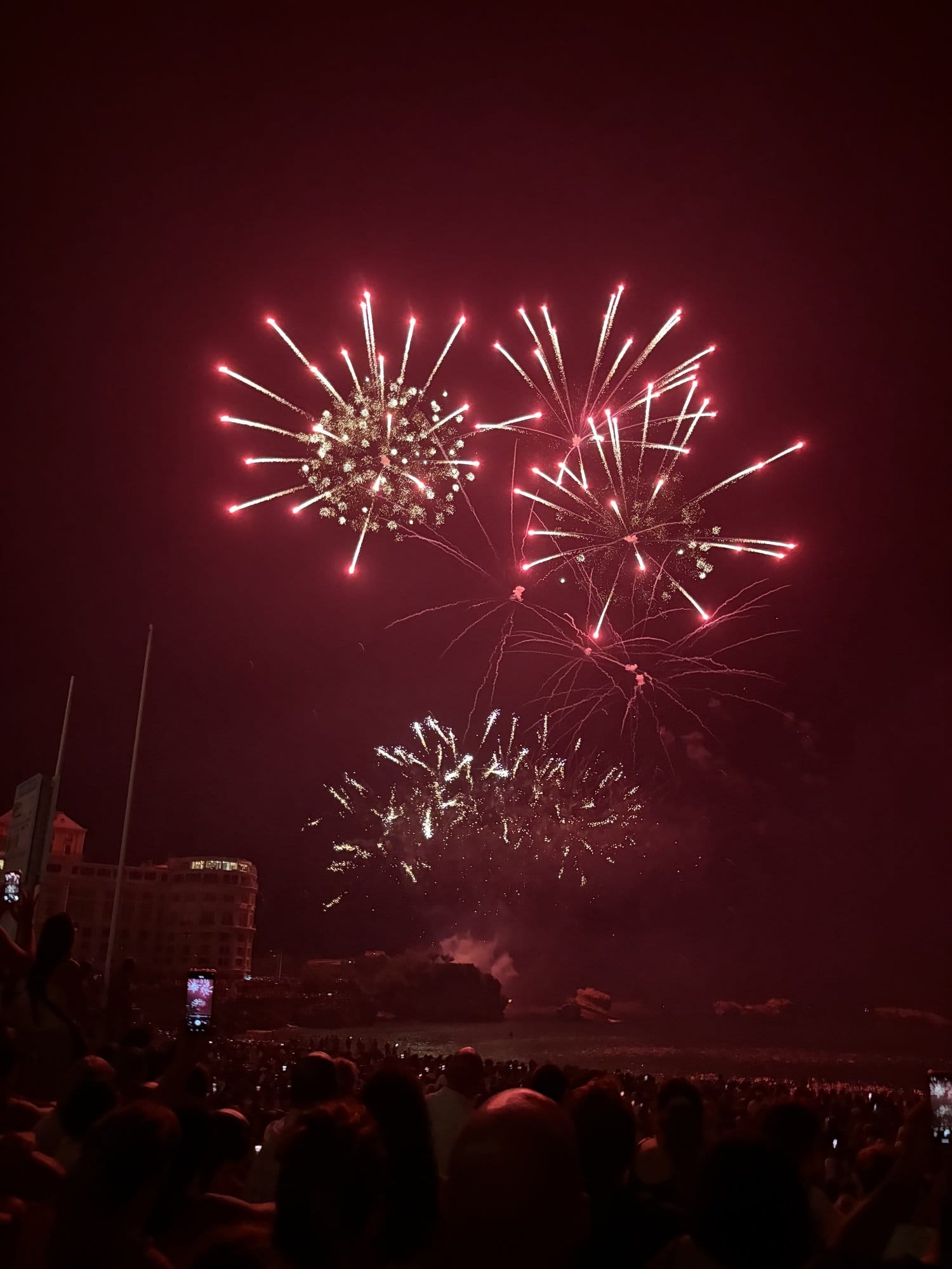
On 15 August, Biarritz puts on one of the best fireworks displays on the coast. We watched it from the Grande Plage, and the explosions lighting up the seafront buildings are something the children still talk about.
Swim at the Beaches of Bidart
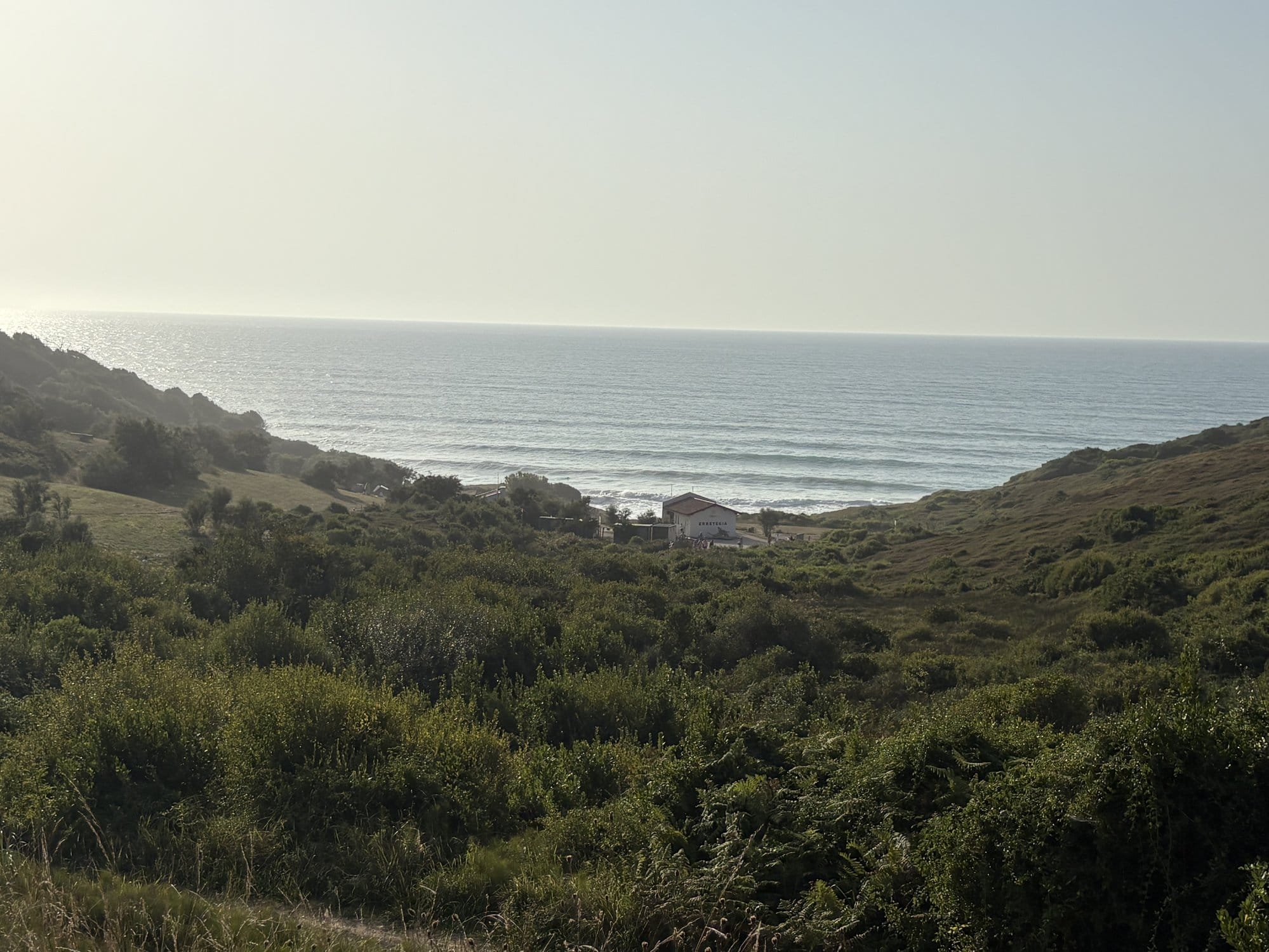
Between Biarritz and Guéthary, the coastline around Bidart offers a string of beautiful beaches backed by green cliffs and rolling farmland. The approach to the beaches is often through grassy paths with sweeping ocean views — a world away from the built-up resorts further north.
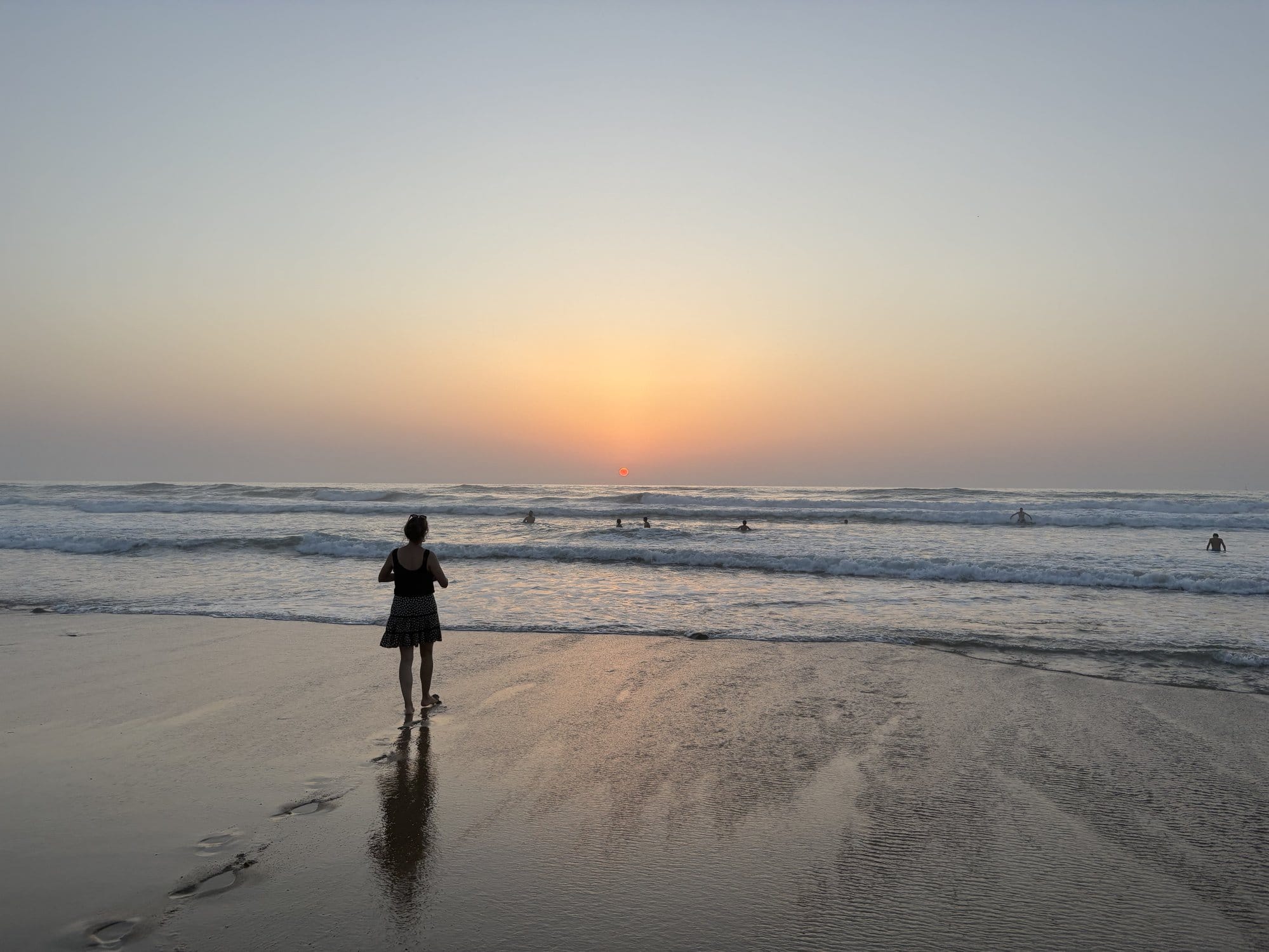
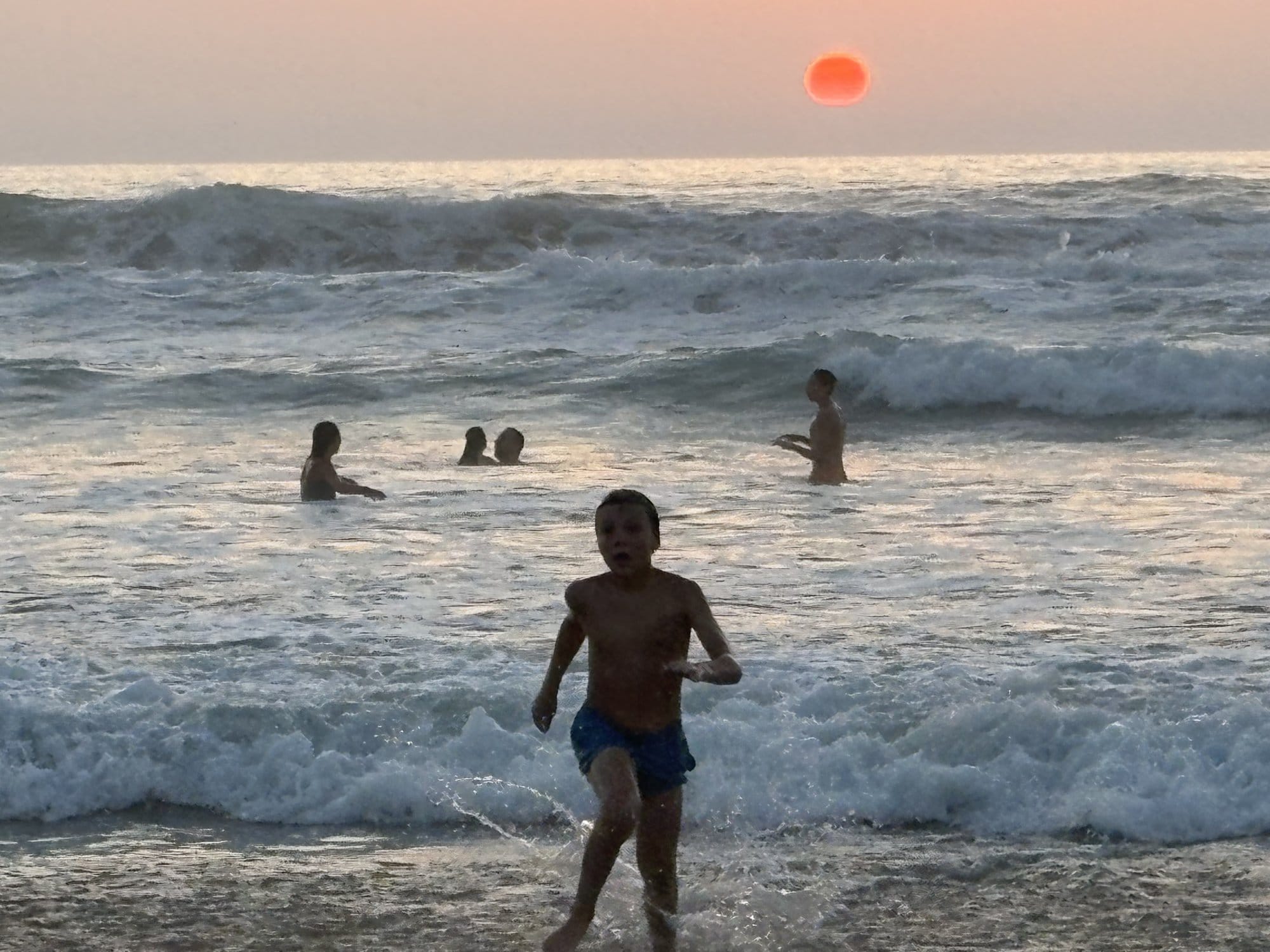
Bidart's beaches are popular with surfers and families alike. At sunset, when the light turns golden and the surf catches fire, these beaches are at their most magical. We spent several evenings here, and the combination of warm sand, Atlantic waves and a setting sun that drops straight into the ocean is hard to beat.
Discover the Village of Guéthary
Guéthary is a tiny fishing village perched on a hillside between Bidart and Saint-Jean-de-Luz, and it has a charm that is entirely its own. The old harbour — more of a slipway, really — is lined with brightly painted boats, and the beach below is one of the prettiest on the coast.
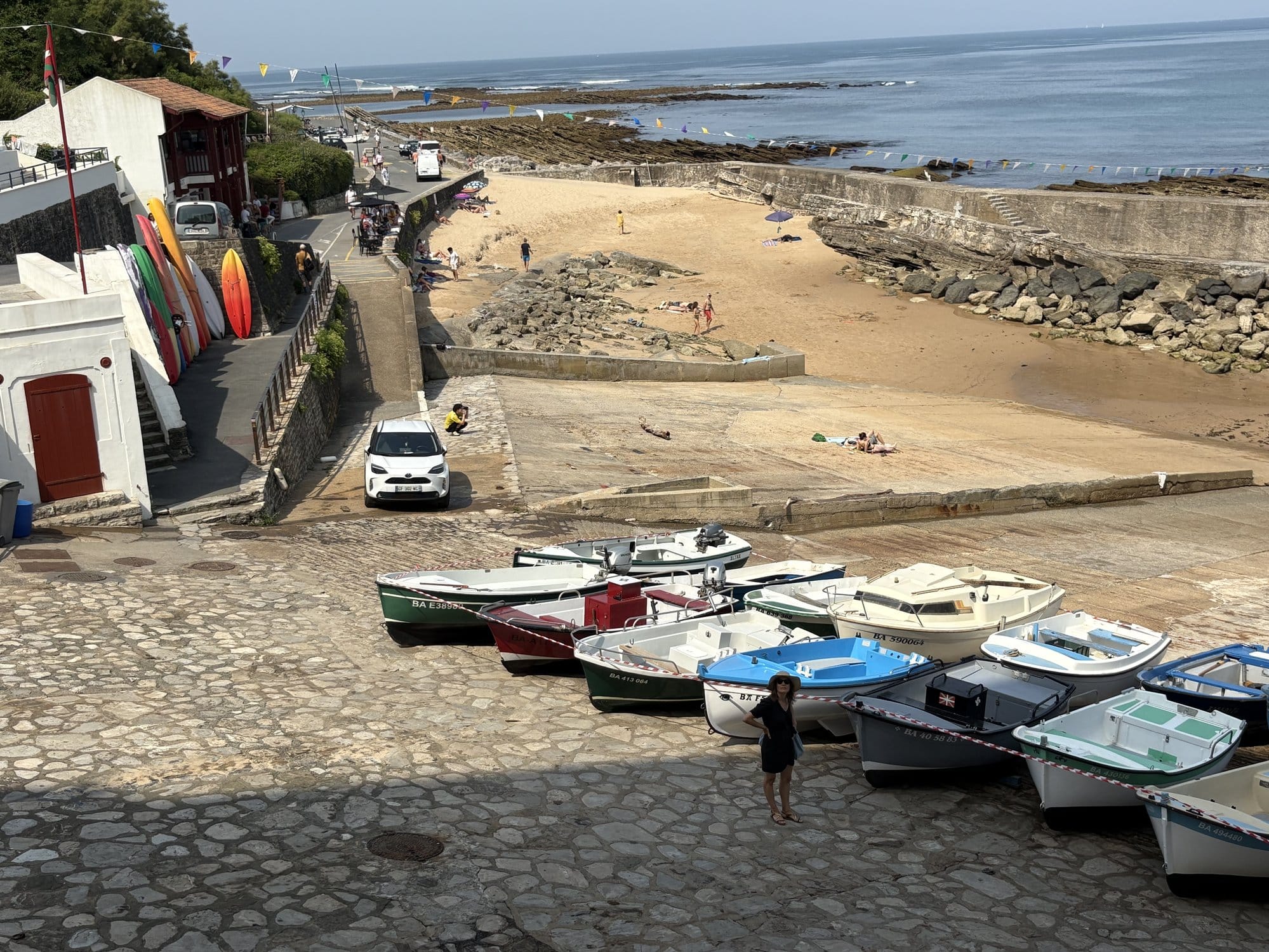
The village itself is worth a wander. There is a small contemporary art museum (Musée de Guéthary), a handful of excellent restaurants and a general atmosphere of quiet sophistication. Guéthary feels like the Basque Country before tourism took over, and it is the kind of place where you could easily lose an afternoon.
Walk the Streets of Bayonne
Bayonne is the cultural capital of the French Basque Country, and its old town is one of the most attractive small cities in southwest France. The half-timbered houses along the Nive river are painted in blues, greens and yellows, with ivy climbing the stone facades and dark-green shutters on every window.
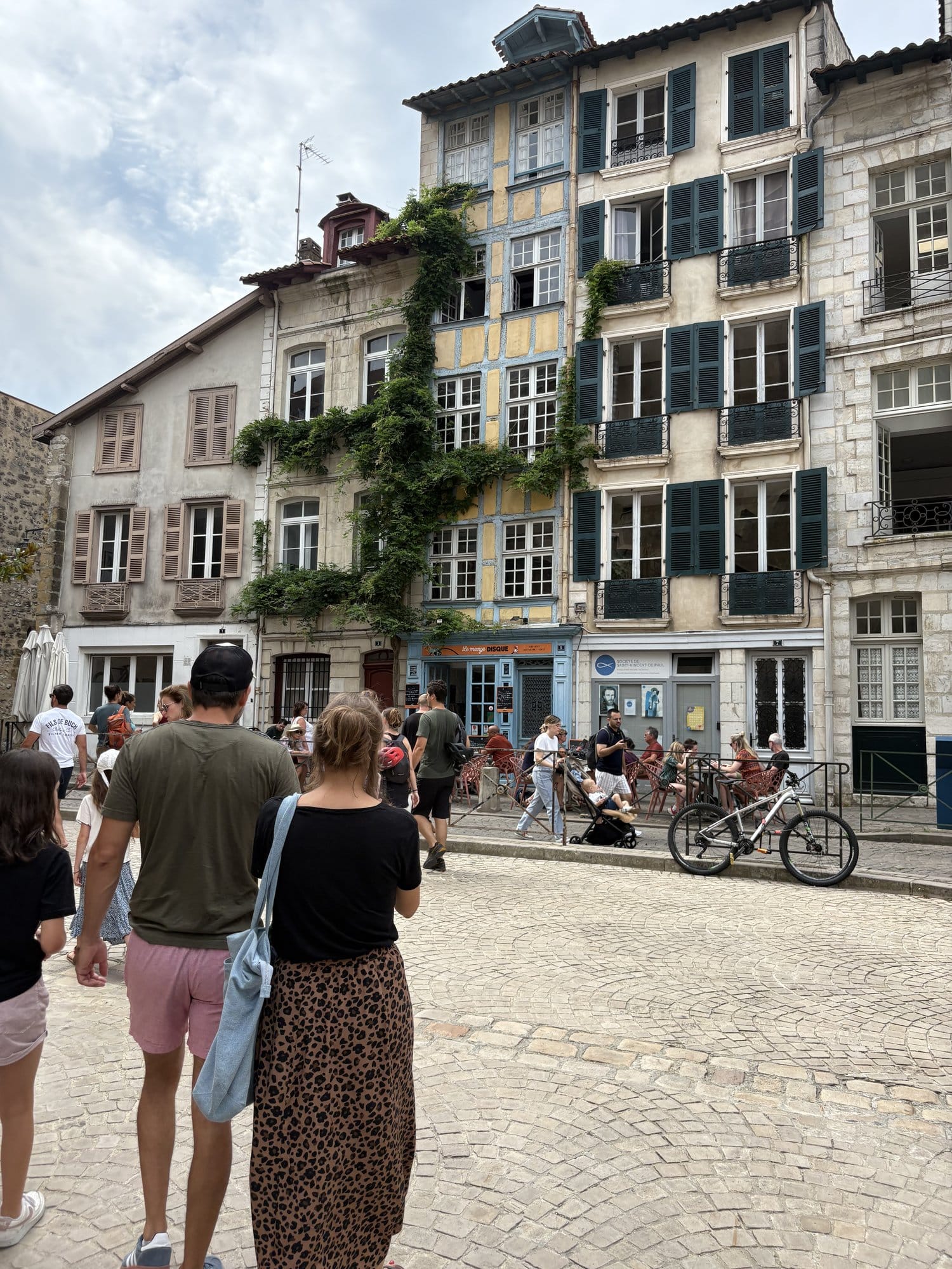
Bayonne is famous for two things: chocolate and ham. The city has been making chocolate since the 17th century — longer than almost anywhere in France — and the old town is dotted with artisan chocolatiers. The jambon de Bayonne is a cured ham with AOC status, and you will find it on every menu. A food and chocolate walking tour of Bayonne is one of the best ways to taste your way through the city.
The covered market (Les Halles de Bayonne) is particularly good — local cheese, charcuterie, peppers, and Basque cider all under one roof. Go in the morning when the stalls are at their busiest.
Take the Train up La Rhune
La Rhune (905 m) is the iconic mountain of the Basque Country, sitting right on the Spanish border with views in every direction. You can reach the summit on the Petit Train de la Rhune, a vintage rack railway that has been running since 1924 and climbs through heather and wild ponies to the top.
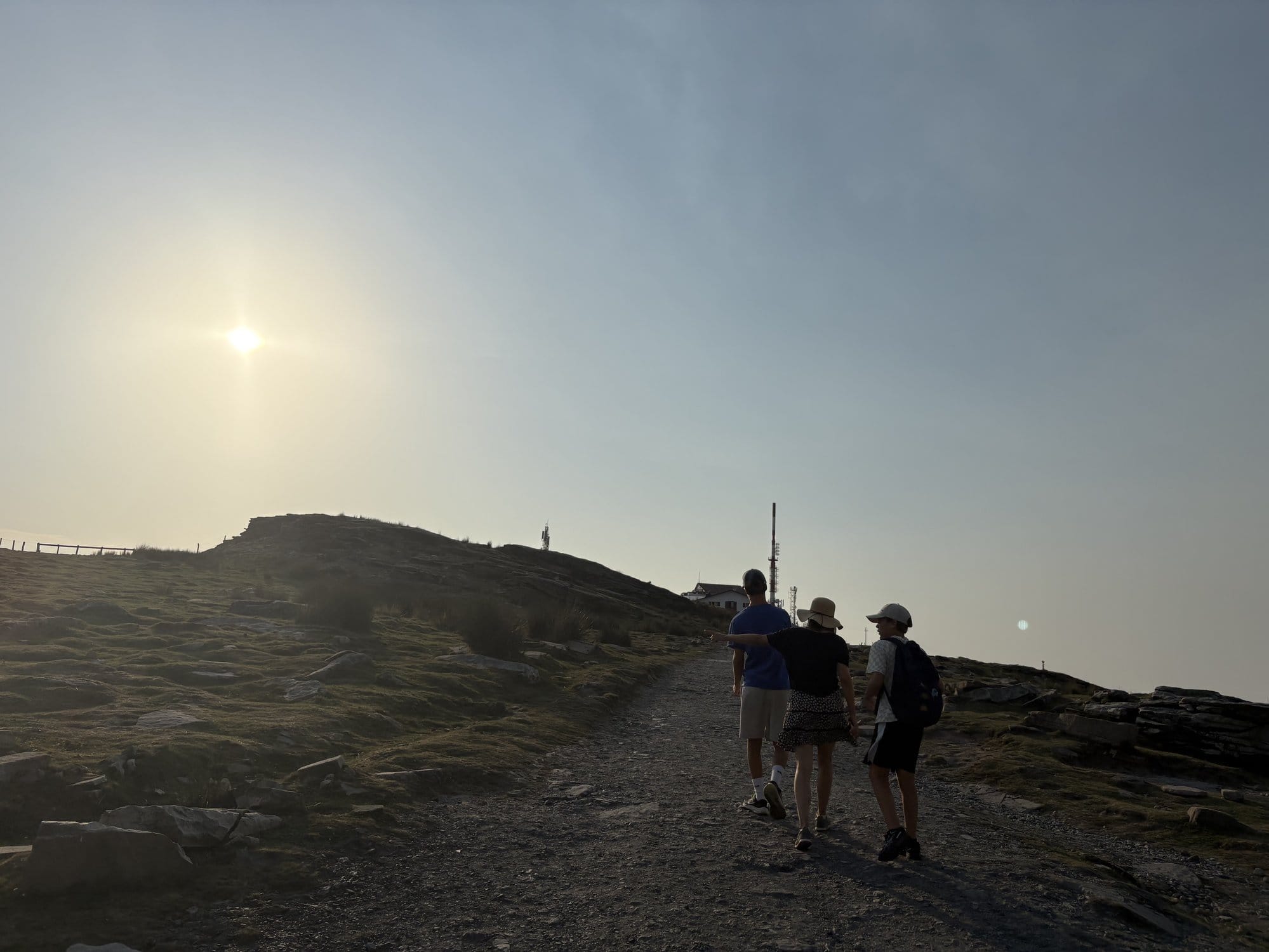
We chose to hike up instead of taking the train, following the trail from the Col de Saint-Ignace. The walk takes about two hours and is manageable for children aged 8 and up, though the final section is steep and rocky. From the summit, the panorama is extraordinary — the entire Basque coastline from Biarritz to San Sebastián on one side, and the green foothills of the Pyrenees rolling south into Spain on the other.
If you prefer the train, book tickets for the Petit Train de la Rhune in advance during summer — it sells out quickly. A return ticket costs around €22 for adults and €14 for children.
Cross into Spain at Hondarribia
One of the great advantages of the French Basque Country is how close it is to Spain. Hondarribia (Fontarrabie in French) is just across the border, about 30 minutes from Saint-Jean-de-Luz, and it feels like stepping into a completely different world.
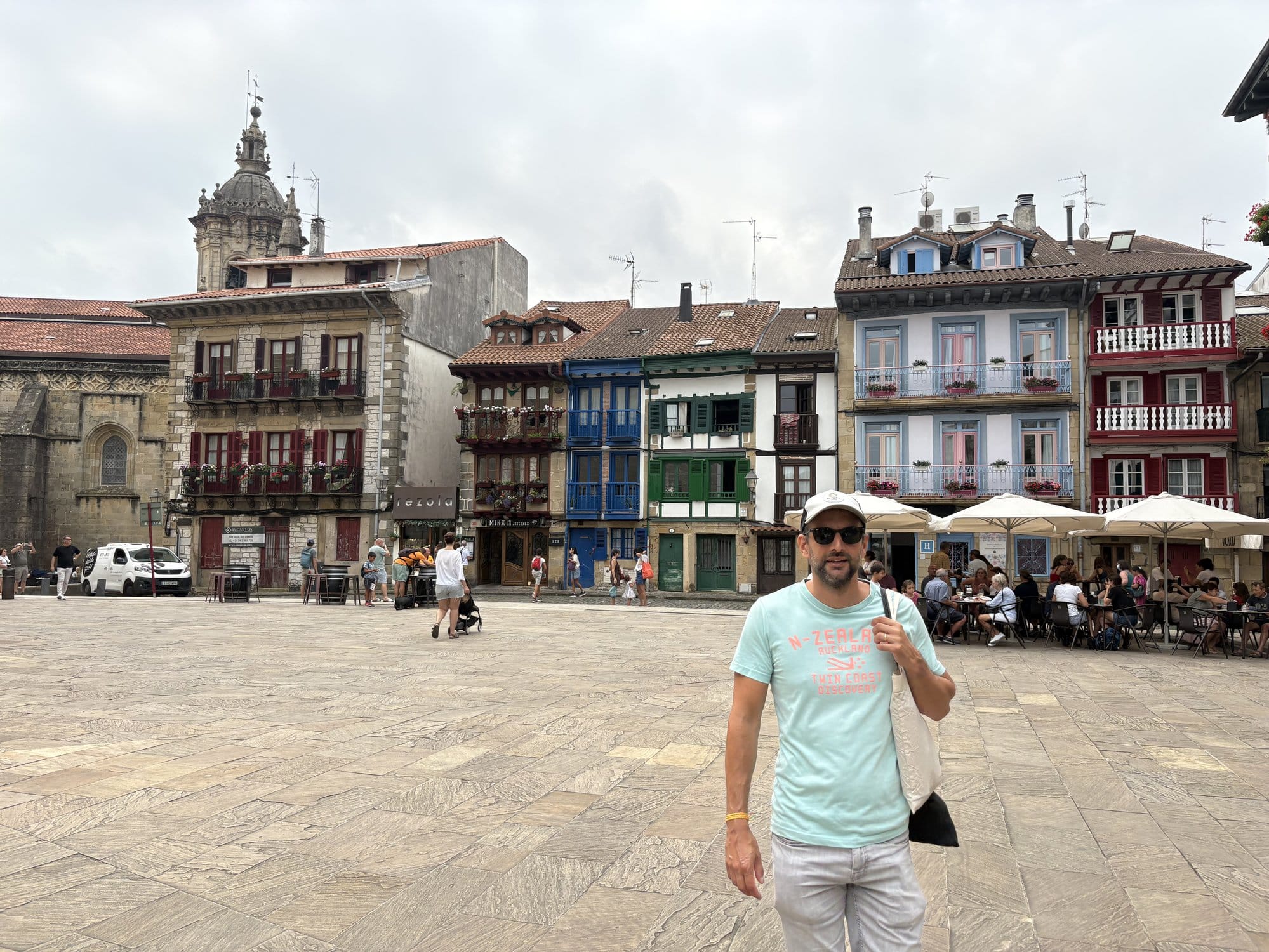
The old fortified town sits on a hill above the harbour, with a main square (Plaza de Armas) surrounded by brightly painted houses with wooden balconies dripping with flowers. The contrast with the more restrained French Basque style is striking — here everything is bolder, louder, more colourful.
Walk the narrow streets of the casco viejo, stop for pintxos and a glass of txakoli (Basque white wine) in the bars along the waterfront, and take the boat across the estuary to Hendaye on the French side for the return. The whole excursion makes a perfect half-day trip.
Visit the Villa Arnaga
Tucked away in the village of Cambo-les-Bains, about twenty minutes inland from the coast, the Villa Arnaga is the former home of Edmond Rostand — the playwright who wrote Cyrano de Bergerac. The house is a grand neo-Basque mansion, all red-and-white colombages and manicured hedges, and the gardens behind it are among the most beautiful in the region.
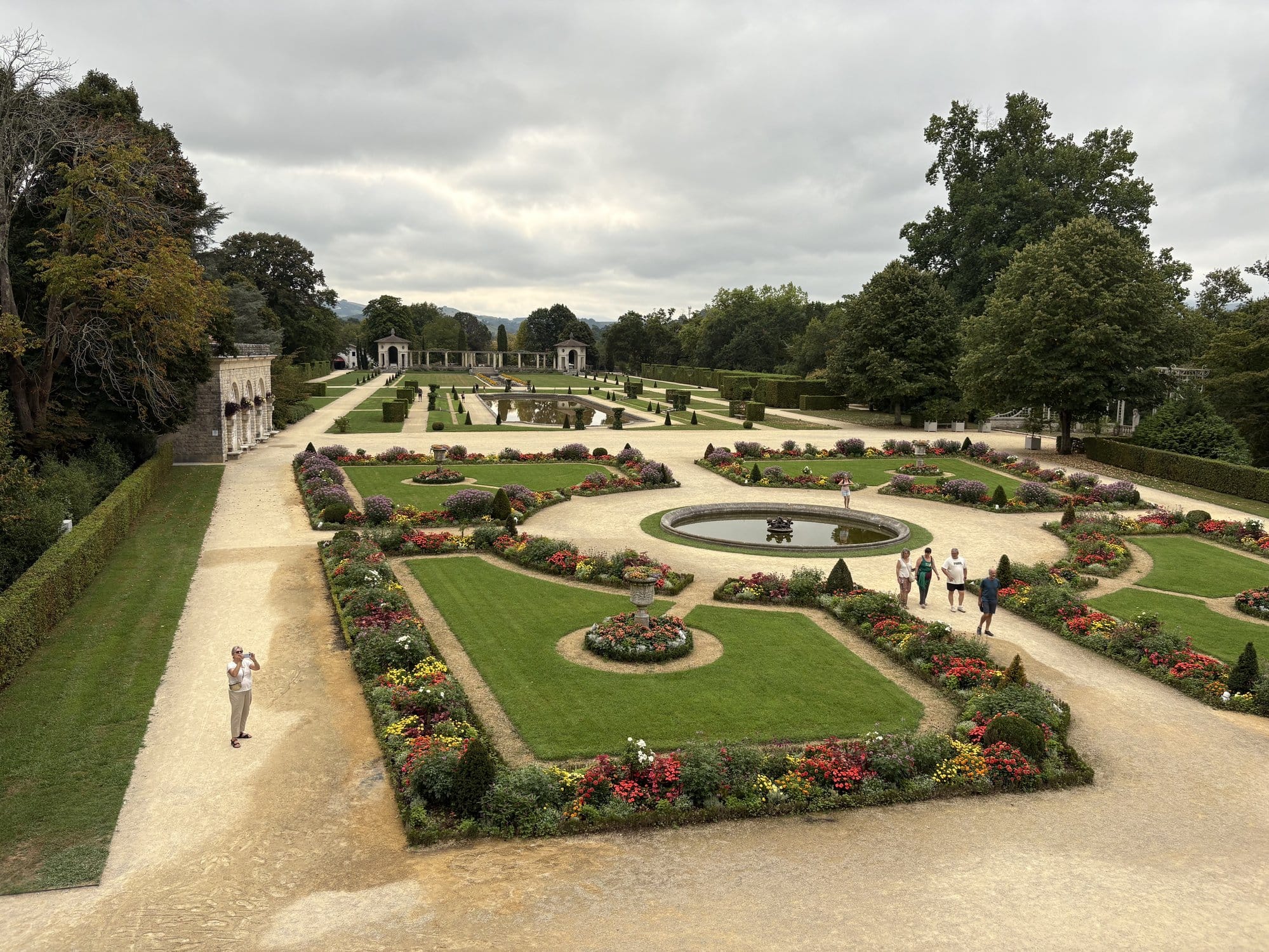
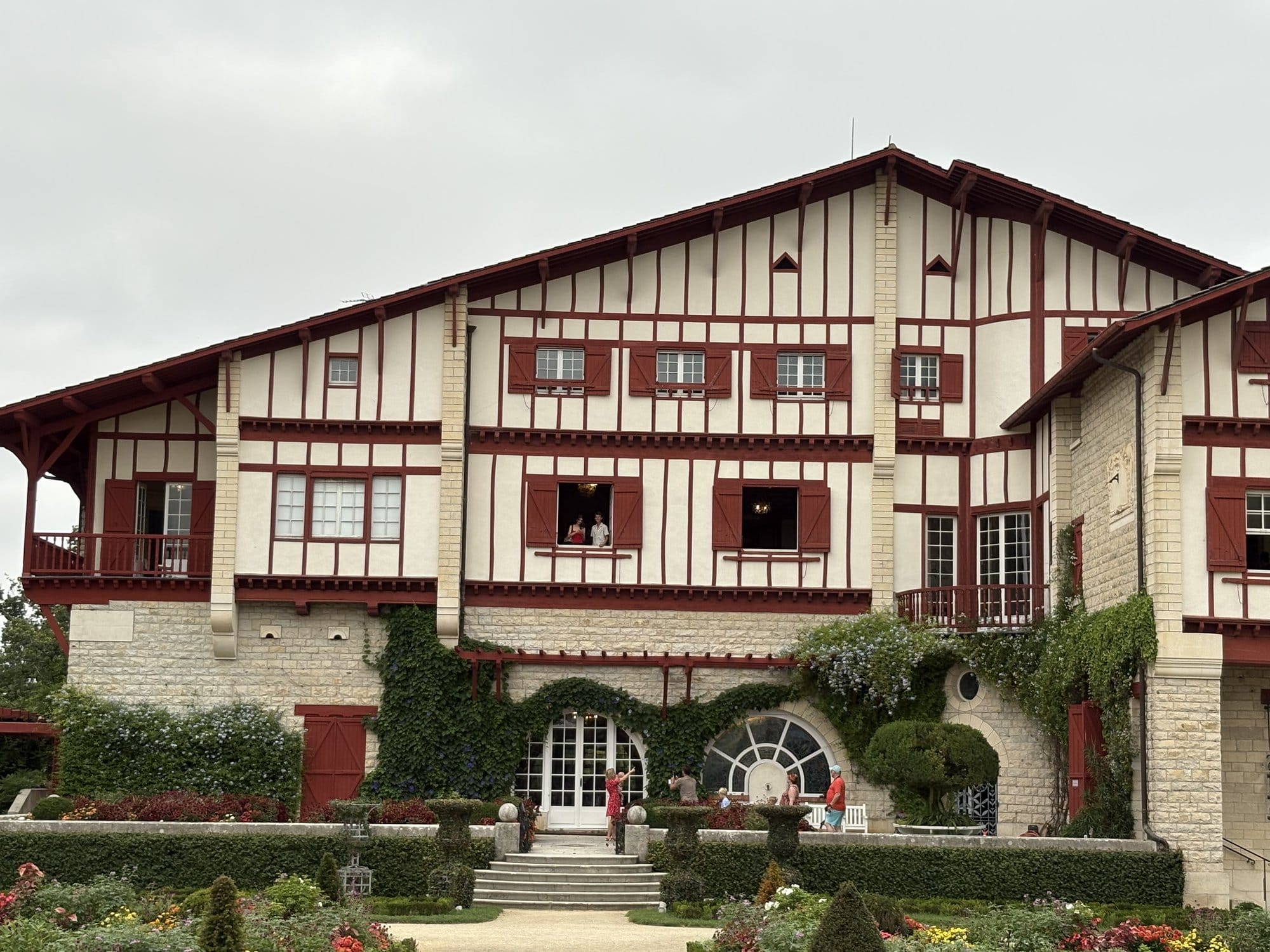
The interior of the house is preserved much as Rostand left it, with ornate art nouveau and art deco details. The visit takes about an hour, and admission is around €10 for adults. Even if you are not particularly interested in French literary history, the gardens alone are worth the detour — especially on a grey day when the green of the lawns and the reds of the flower beds really glow.
Find the Best Place to Stay
The French Basque Country is compact enough that you can base yourself in one town and explore everything by car within 30–40 minutes. Saint-Jean-de-Luz is our top recommendation — central, beautiful, with a safe family beach and easy access to the coast road in both directions. Biarritz is livelier and has more restaurants and nightlife. Bidart and Guéthary are quieter and more suited to surfers.
Use our interactive map to find accommodation near the spots mentioned in this article. Zoom in on the area that interests you most.
Budget around €90–€150 per night for a comfortable family-friendly option in summer. Prices drop significantly outside July and August.
Practical Information
How to Get There
The nearest airports are Biarritz Pays Basque (BIQ) and San Sebastián (EAS) across the border in Spain. Biarritz airport has seasonal connections to several European cities. Alternatively, Bordeaux (BOD) is about two hours north by car and has a much wider range of flights. compare flights to find the best fares.
A car is useful but not strictly essential — the coast road between Hendaye and Bayonne is well served by bus and train. For maximum flexibility, especially if you want to visit La Rhune, the inland villages and Hondarribia, hire a car at Biarritz airport.
Best Time to Visit
July and August are peak season — warm weather (22–30°C), great surf, long evenings and lively towns. The beaches are busy but never unbearable. September is arguably the best month: the ocean is at its warmest, the crowds thin out and the light is spectacular.
May, June and October are good shoulder months with pleasant weather and lower prices. Winter is mild (8–15°C) and rainy, but the food scene and cultural attractions are year-round.
Budget
The French Basque Country is moderately priced by French standards. Expect to pay around €15–€30 for a restaurant meal, €40–€50 for a surf lesson, €22 for a La Rhune train ticket, and €90–€150 per night for accommodation in summer. Pintxos and tapas in Hondarribia are excellent value — €2–€4 per pintxo with a glass of txakoli.
FAQ
Q: Is the French Basque Country suitable for families with young children? A: Very much so. The sheltered beach at Saint-Jean-de-Luz is perfect for small children, and there are plenty of gentle walks, castle visits and ice cream shops to keep younger ones happy. The surf schools in Biarritz accept children from about age 7.
Q: Do I need a car? A: It helps, especially for La Rhune, Villa Arnaga and the inland villages. But you can manage the coastal towns (Saint-Jean-de-Luz, Biarritz, Guéthary) by bus and the Basque Coast train line.
Q: Can I combine the French and Spanish Basque Country in one trip? A: Absolutely. Hondarribia is 30 minutes from Saint-Jean-de-Luz, and San Sebastián is about an hour. A week gives you enough time to explore both sides thoroughly.
Q: When is the best surf? A: The Atlantic coast has waves year-round, but the most consistent and beginner-friendly conditions are from May through October. August can get crowded; September is the sweet spot.
More to Explore
If the Basque Country's coastline and mountain culture have inspired you to explore more of France, these guides cover some of our other favourite destinations: