
Formentera: Crystal-Clear Waters Just 30 Minutes from Ibiza
Formentera floats just thirty minutes south of Ibiza by ferry, but it feels like another world entirely — an island of crystal-clear water, white sand and unhurried days.


Formentera floats just thirty minutes south of Ibiza by ferry, but it feels like another world entirely. While its neighbor dominates headlines with nightclubs and energy, Formentera offers something quieter—an island of crystal-clear water, white sand, and the kind of unhurried days that make families forget about schedules. The island stretches only 20 kilometers from north to south, narrow and intimate, with a character that harks back to the Balearic Islands before the boom: rustic beach bars, wooden boardwalks, and shallow sandbars that glow turquoise in the afternoon light.
This is the Mediterranean as it should feel—accessible, unpretentious, and breathtaking.
Disclosure
This article contains affiliate links to booking platforms and tour operators. Purchases made through these links support the continued operation of this site at no additional cost to you.
The Arrival: Ferry from Ibiza
Getting to Formentera is half the experience. Ferries depart from Ibiza Town and the port of Figueretes multiple times daily, operated primarily by Balearia and Aquabus. The journey takes 25 to 35 minutes depending on sea conditions, and the crossing itself becomes a transition ritual—watching Ibiza recede as Formentera's low profile emerges on the horizon. — Ibiza's calas and sunset spots
High-speed catamarans make the crossing smooth enough for travelers with kids, though families should book ahead during peak summer months. Ferries typically cost between 12 and 18 euros per person each way, and bicycles can be transported for a small fee. Regular ferries (slower, cheaper) also run, taking around 50 minutes but offering a more leisurely arrival. The last ferry back to Ibiza departs Formentera in the early evening, making day trips feasible—though staying overnight reveals far more of the island's character.
La Mola: The Highest Point
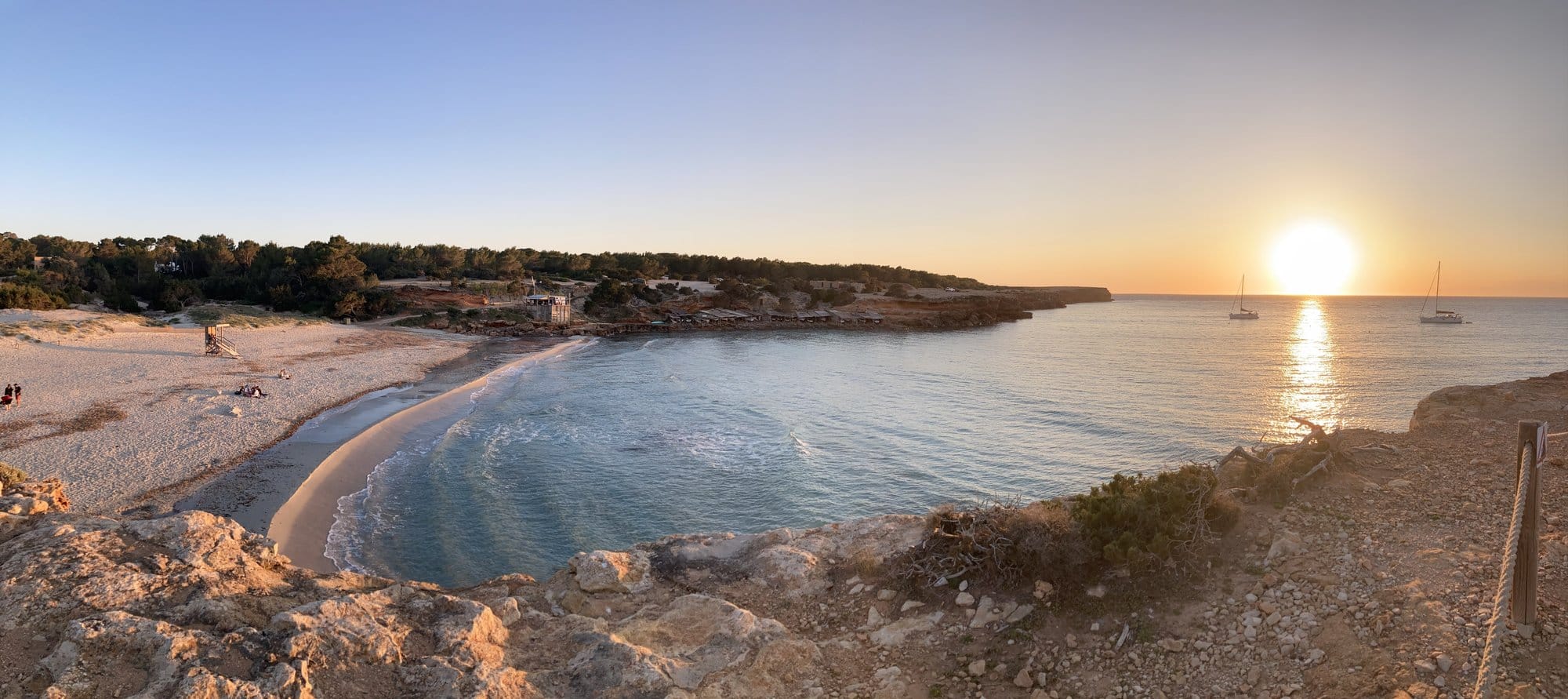
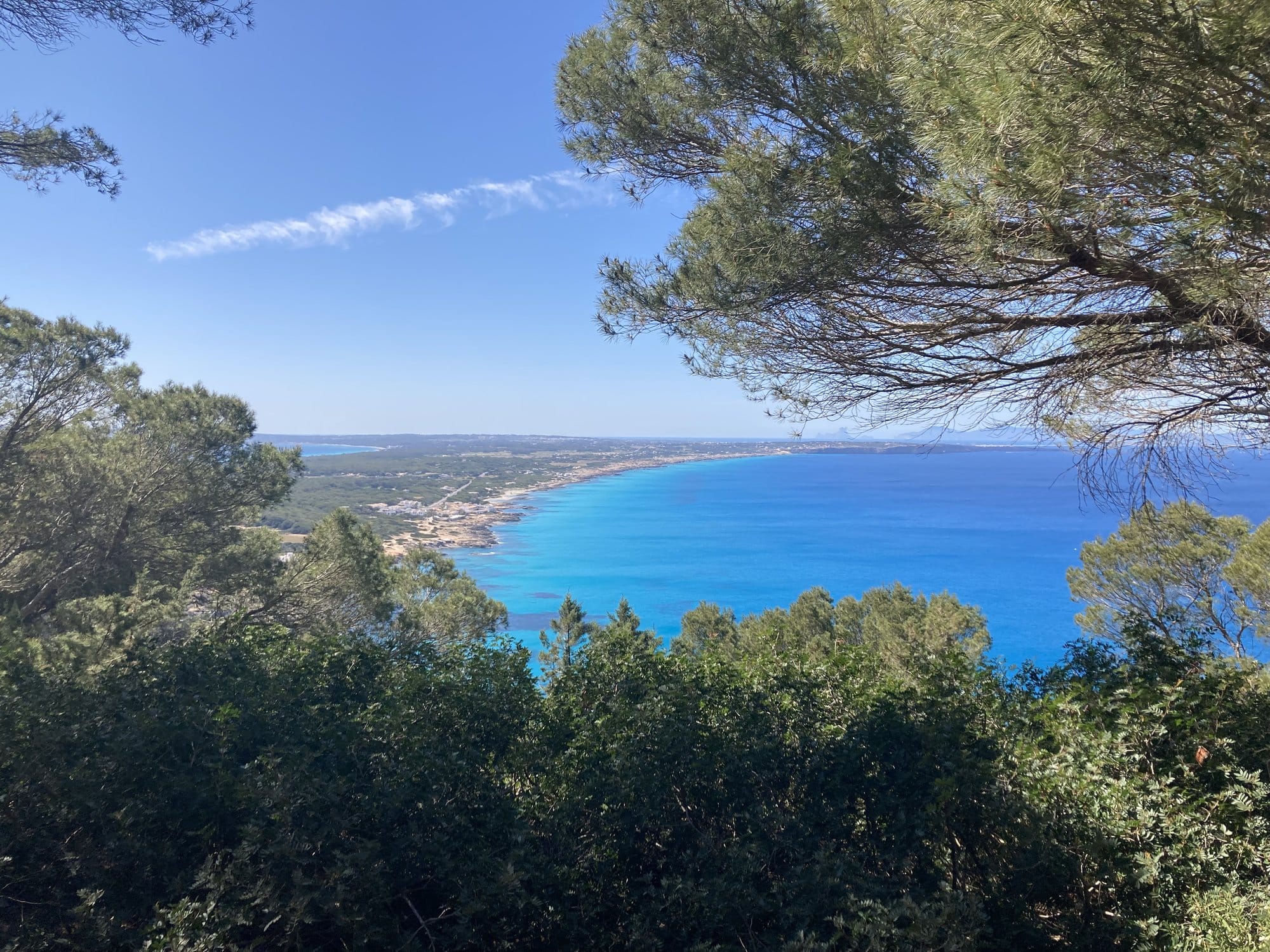
At barely 192 meters, La Mola is Formentera's highest point, yet the view commands. The elevated plateau occupies Formentera's eastern end, its rocky coastline punctuated with dramatic cliffs and weathered limestone that catches golden light at sunrise and sunset. A road winds to the top where a lighthouse stands sentinel, surrounded by nothing but sea and sky in all directions.
The drive or bike ride to La Mola is purposeful. The road narrows as it climbs, passing through scrubland dotted with rosemary and low-growing pines. Once at the summit, the panorama unfolds: the Mediterranean spreads in every direction, with the silhouettes of neighboring islands—Espalmador, Ibiza, and even Mallorca on clear days—visible across the water.
For families, the summit offers a meditative spot to pause. There's a small bar at the top, and the wind carries the scent of salt and herbs. Photography enthusiasts find endless angles here, especially in the golden hour before sunset when the cliffs shift through shades of amber and rose.
Es Caló: The Soul of Formentera
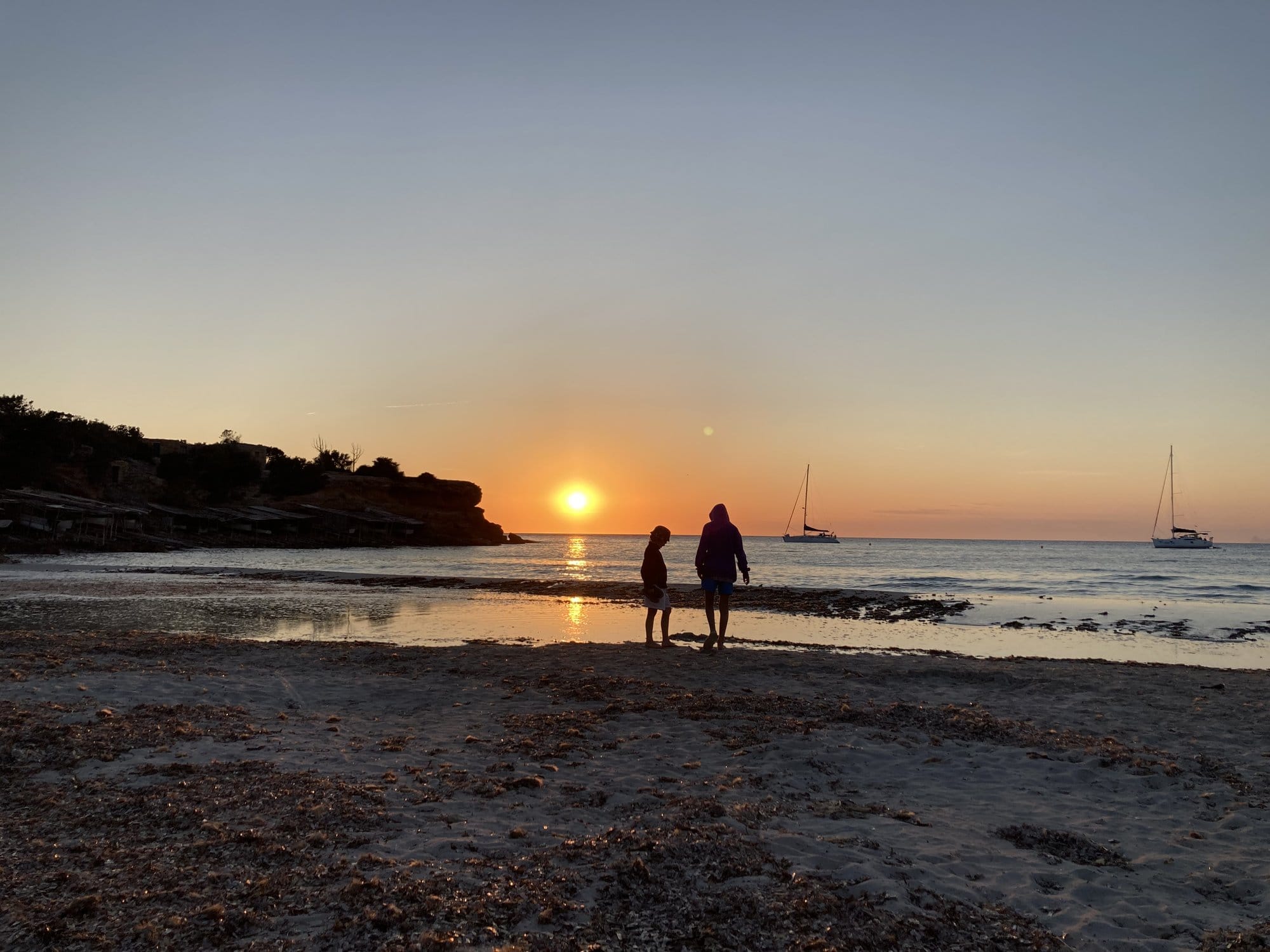
Es Caló sits on the northern coast, a fishing village that barely seems to have changed in decades. Weathered wooden boat houses line the rocky shore—traditional casitas painted in soft pastels, their timber bleached by decades of sun and salt. These aren't museum pieces; fishermen still mend nets here, locals still gather at the bars, and families still come for lunch.
The essence of Es Caló is its collection of rustic beach bars. These aren't polished establishments with cocktail menus; they're simple structures serving grilled fish, cold beer, and the kind of paella that tastes better eaten with bare feet in the sand. Several operate on a casual order-as-you-go basis, with tables scattered across small pebble beaches or on decks overlooking the water. Children navigate easily here—the pace is slow, the food is straightforward, and nobody hurries.
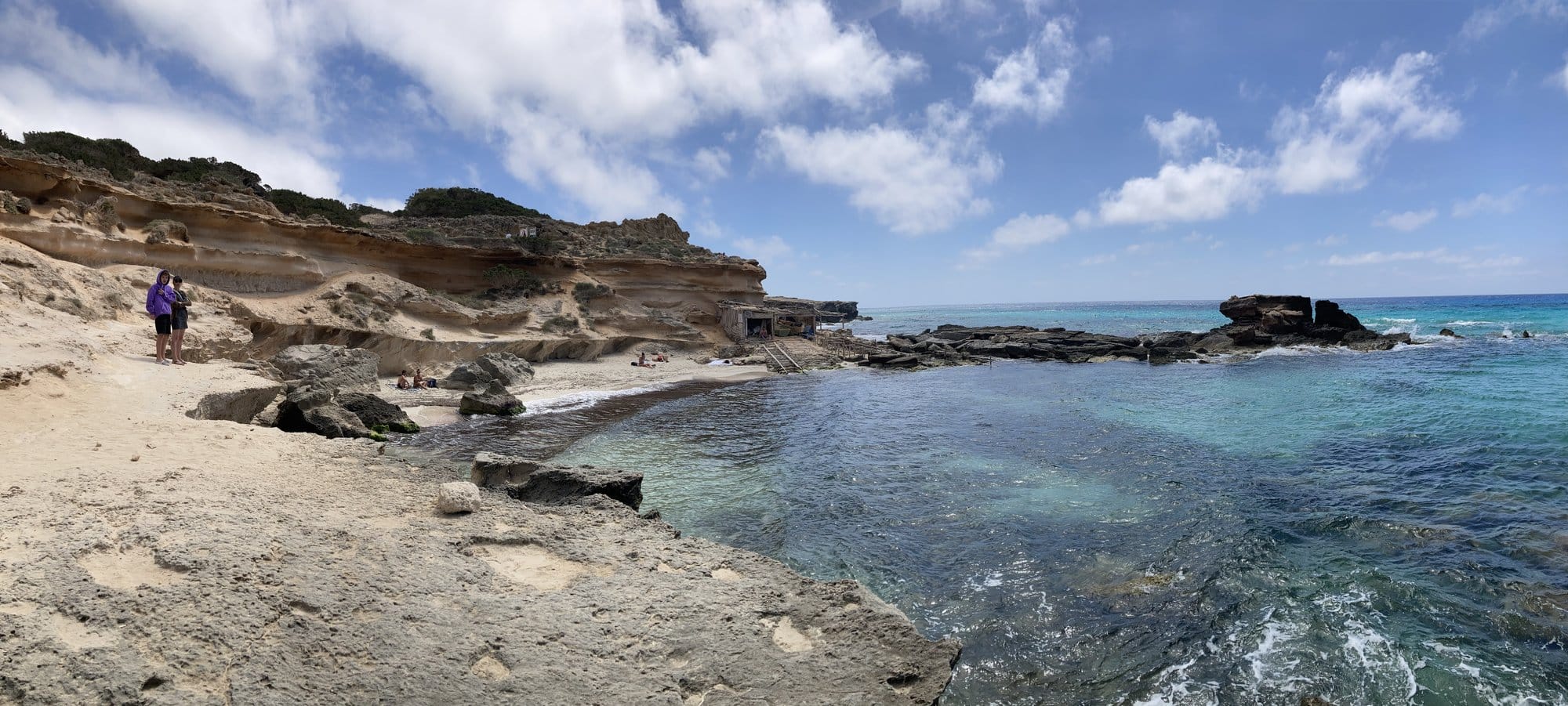
The water at Es Caló is shallow and clear, making it ideal for families with young swimmers. The rocky foreshore means shoes are useful, but the clarity is remarkable—visibility stretches five meters or more in most conditions. Snorkeling from the rocks reveals small fish and sea urchins in clear detail.
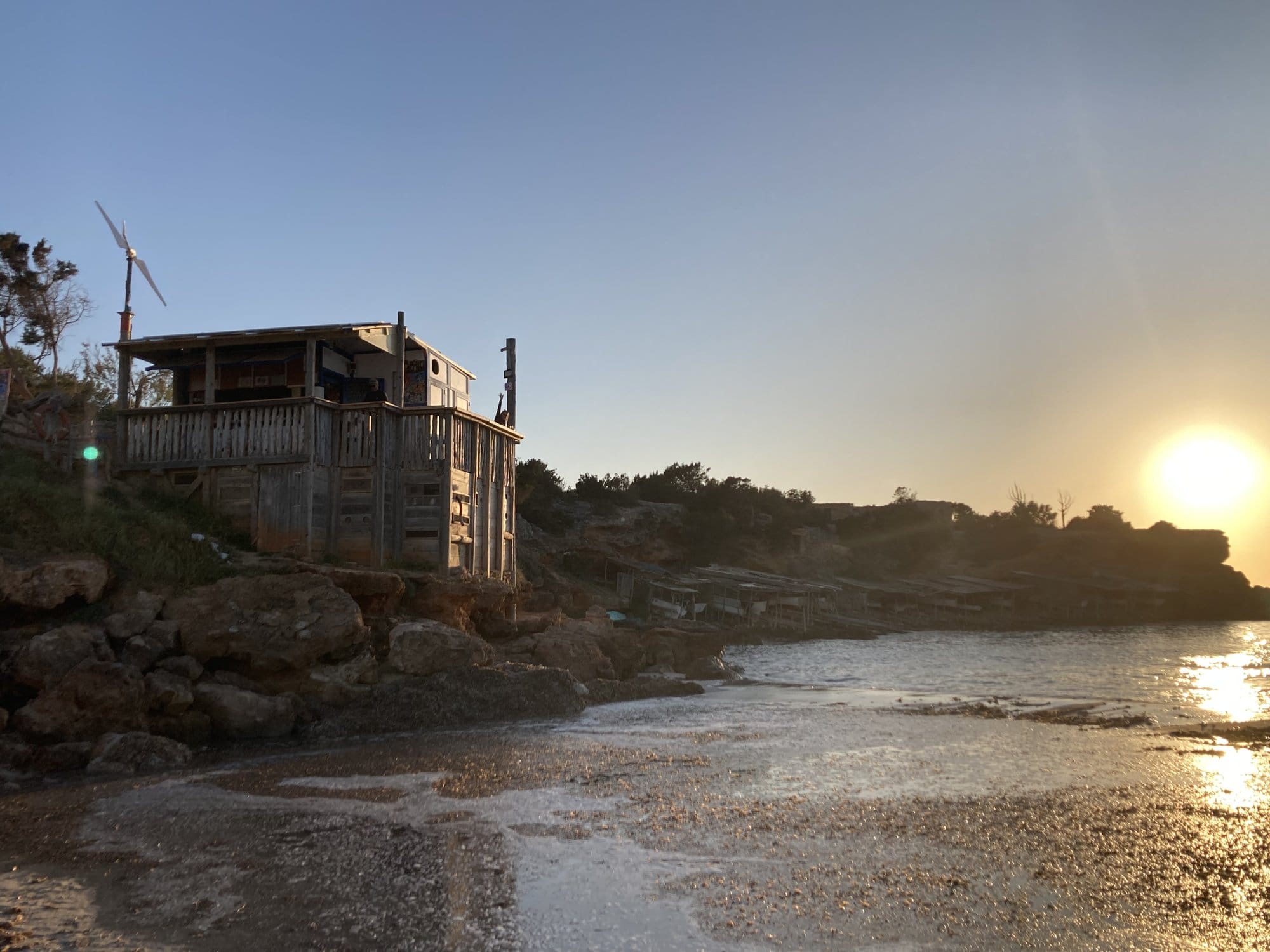
Beyond the bars and beach, Es Caló offers quiet exploration. Narrow lanes wind between the casitas, leading to small hidden coves and quiet viewpoints. The village remains authentically unhurried, untouched by the commercialization that affects other Mediterranean destinations.
Ses Illetes: The Famous Beach
Ses Illetes, on Formentera's western coast, has become famous—perhaps too famous during peak summer. The beach sprawls across a narrow spit of sand between two rocky points, and the water truly is Caribbean-blue: shallow, crystalline, and a color that exists nowhere else on the mainland Mediterranean.
The fame is deserved. On days when crowds haven't descended, Ses Illetes is nearly perfect. The sand is fine and white, the water graduates from ankle-depth to shoulder-depth in a gradual slope, and the backdrop of weathered rocks and sparse vegetation creates an underdeveloped feeling despite the crowd of sunbathers.
Peak season (July and August) brings crowds, but shoulder seasons (May, June, September) offer the same water quality with far fewer beach umbrellas. Arriving early or visiting on weekdays makes a significant difference. Multiple beach clubs operate along Ses Illetes, most of them casual, with loungers, umbrellas, and basic food service available. Several are family-friendly, with shallow play areas for kids and simpler menus alongside more elaborate offerings.
The western exposure means afternoon sun angles are dramatic, and by late afternoon, the light becomes golden and soft. This is prime photography time, and also when the crowds begin to thin as visitors return to their accommodation to prepare for dinner.
Espalmador: The Sandbar Dream
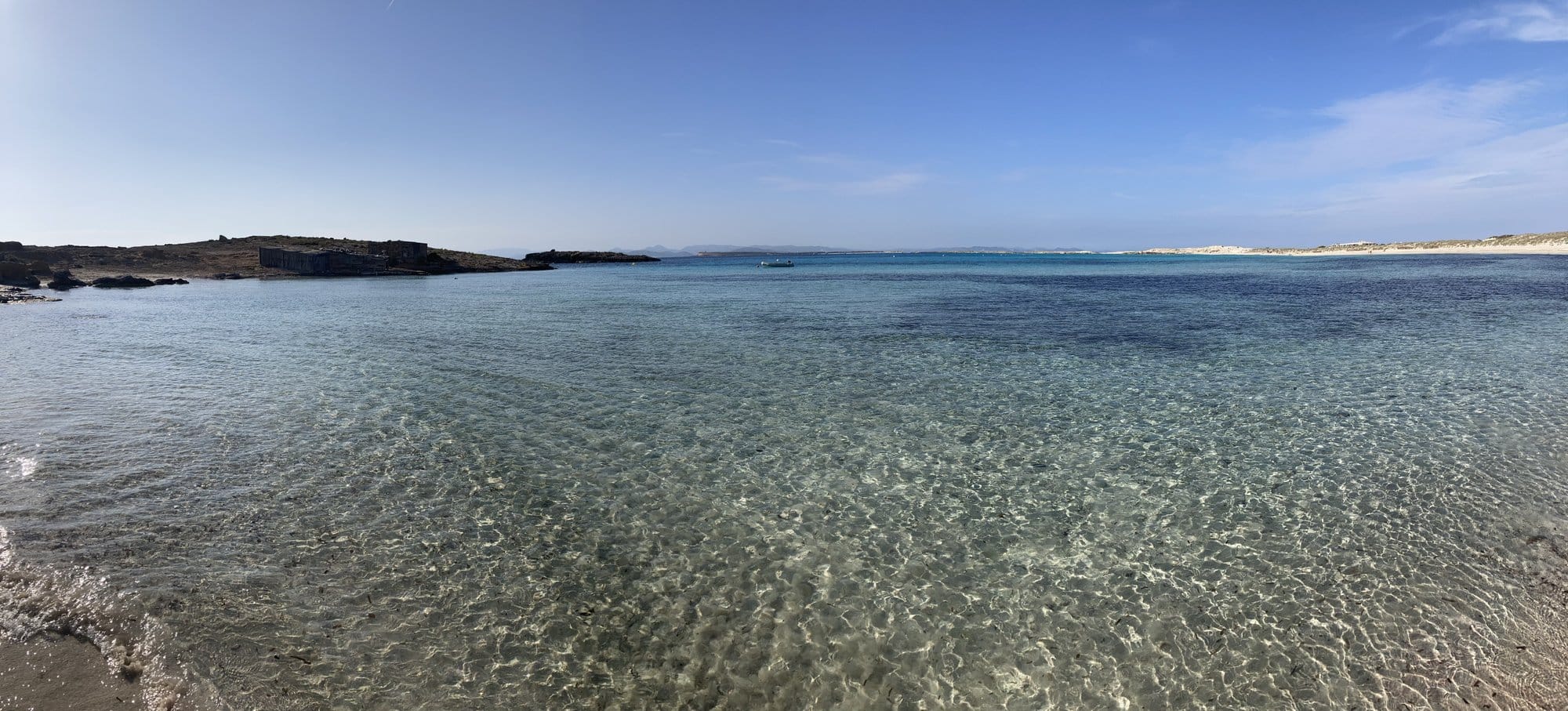
Just off Formentera's northern coast, the island of Espalmador appears from the air like a watercolor painting—a white sandbar floating in turquoise water. Accessible by small boat or a strong wading capability during low tide, Espalmador offers a surreal experience: standing waist-deep in bathwater-temperature sea, surrounded by nothing but sand and sky.
The shallow water stretches for hundreds of meters, shelving so gradually that the gradient is barely perceptible. The sand is fine and pale, and the bottom is visible for the entire walk out. On still days, the water is so clear and so shallow that perspective becomes disorienting—you're simultaneously fully submerged and able to watch your toes in perfect detail.
Espalmador has minimal infrastructure and no development. A few ramshackle structures provide shade and basic refreshment, operated seasonally. The appeal is precisely the lack of facilities: this is sand, sea, and light. Families with children find Espalmador magical—the shallow water means even young swimmers can wade out hundreds of meters in complete safety, and the novelty of standing in crystal water with land nowhere in sight holds children's attention for hours.
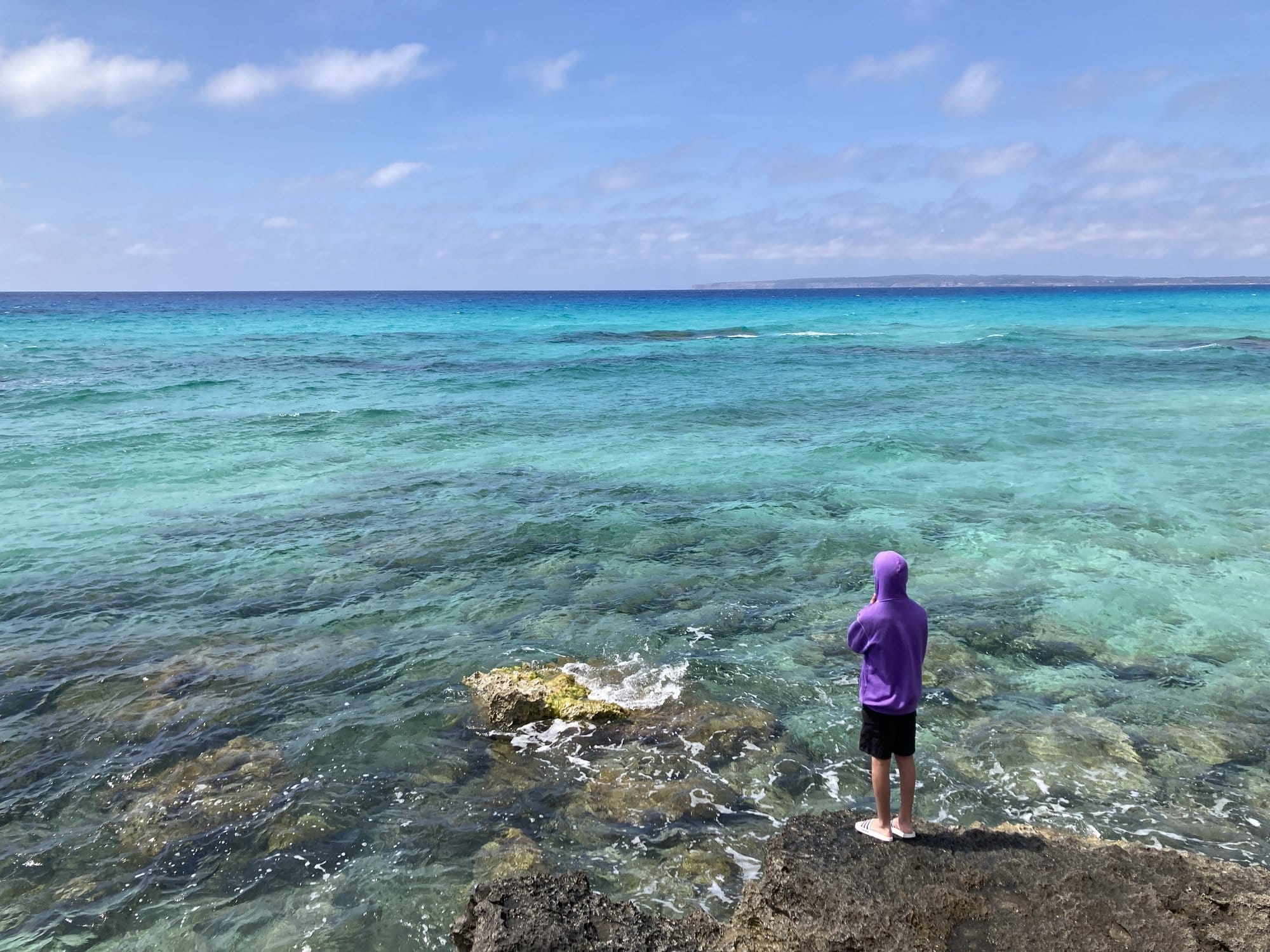
Reaching Espalmador independently requires either a rental boat (expensive, but available in Es Caló) or waiting for low tide and wading from the north coast. Most visitors book boat tours from the main ports, which typically run 30 to 40 euros per person and include an hour or two on the sandbar.
The Beach Clubs
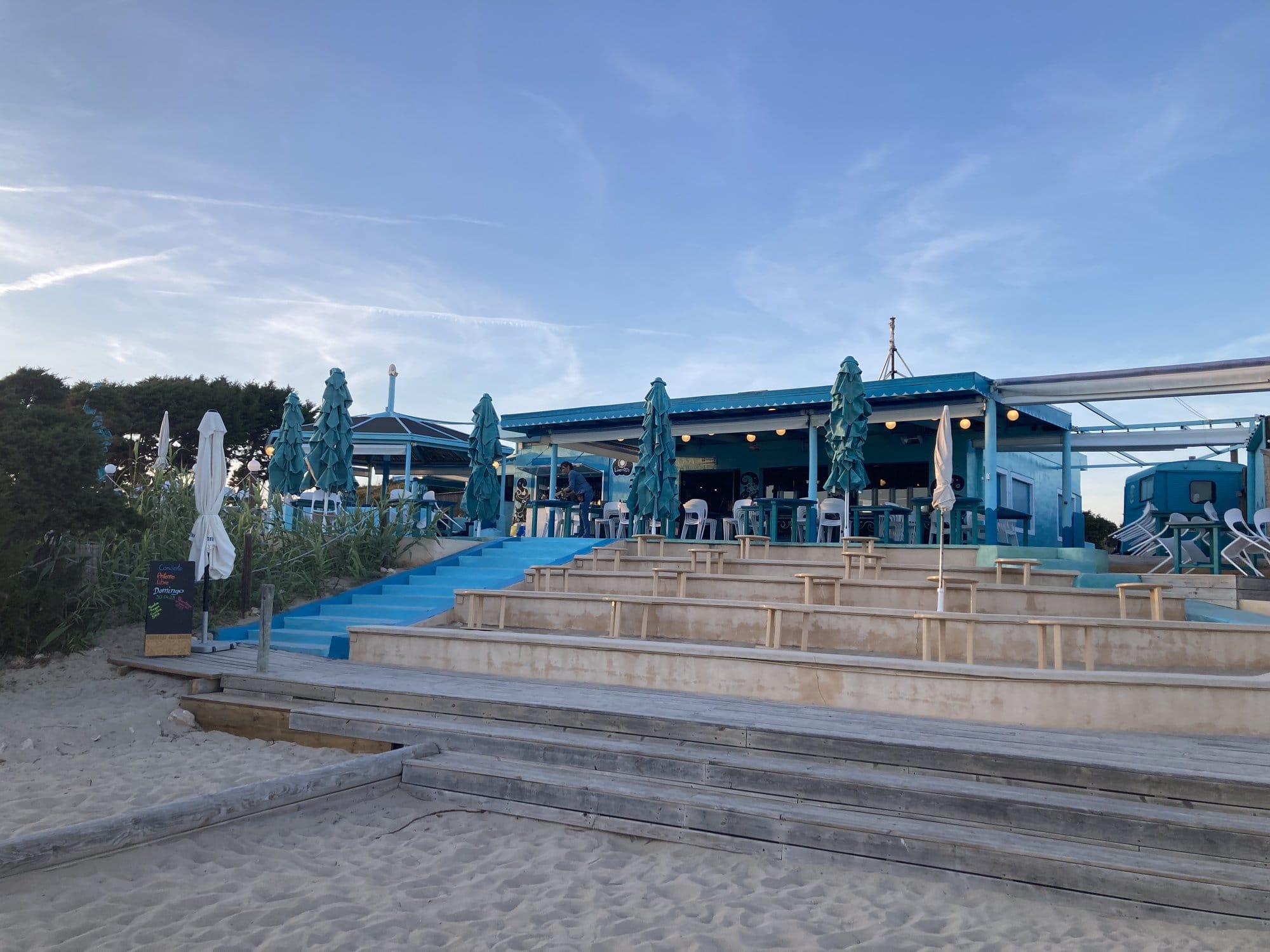
Formentera's beach clubs differ markedly from Ibiza's branded megavenues. They're smaller, more casual, and far less pretentious. A handful operate along the main beaches—Ses Illetes, Illetes, and Platja de Migjorn—offering loungers, shade, and food service. The best ones feature wooden decking, canvas umbrellas, and simple menus focused on Mediterranean staples: grilled fish, rice dishes, fresh salads, and cold drinks.
Several clubs specifically cater to families, with shallow pools for kids and quieter zones away from the bar scene. Unlike their Ibiza counterparts, these aren't night-party destinations; they're daytime gathering places where social energy peaks in early afternoon and dissipates by evening. Entry is typically free; you're expected to order food or drinks.
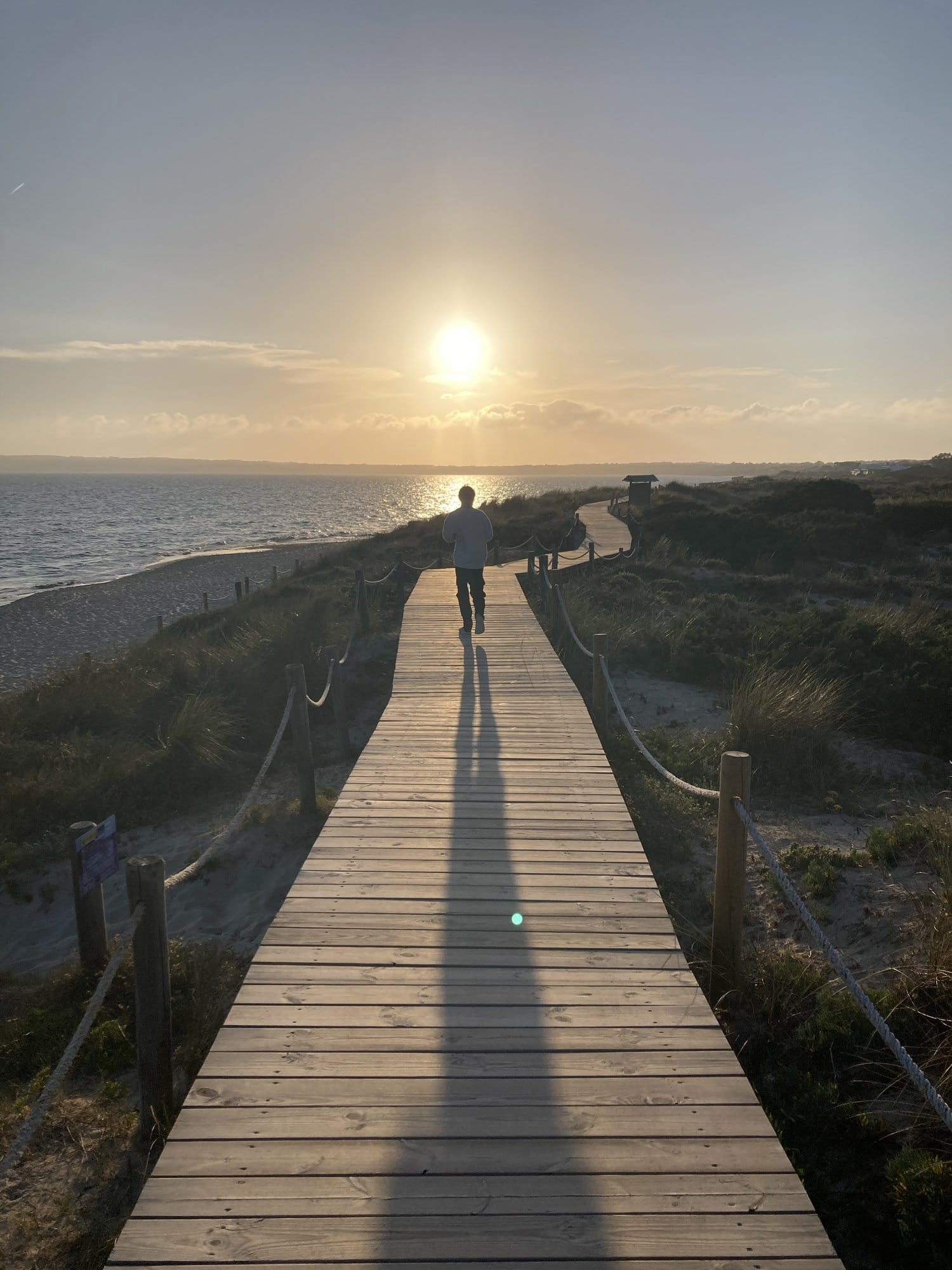
The wooden boardwalks that connect some of these clubs to the beach add to the aesthetic. Weathered timber, bleached pale by sun, winds through dunes and scrub vegetation, creating a transition between settlement and sand that feels intentional and beautiful.
Exploring by Bicycle
Formentera is small enough to navigate by bicycle, and the island's laid-back pace makes cycling feel natural rather than ambitious. Rental shops operate in the main port and at several central locations, offering everything from simple beach cruisers to modern e-bikes. Roads are generally quiet, traffic is sparse, and the island's flat terrain means cycling is accessible for most fitness levels.
A bicycle allows families to explore beyond the main beaches—to reach coastal roads with minimal traffic, to discover small bars and coves, to move at a pace that allows conversation and observation. Many cycling routes can be completed in half a day, making it possible to visit multiple beaches and towns in a single outing. Bring water and sun protection; shaded stops are scattered but not frequent.
Getting there
Formentera has no airport — you fly into Ibiza (IBZ) and take the 30-minute ferry from La Savina, with departures every 30–60 minutes in summer. We've found Vueling and Ryanair the most reliable into IBZ, with shoulder-season fares from Barcelona under €40 if you book a few weeks out. — Ibiza and Formentera family travel guide
Practical Information
Getting There: Ferries from Ibiza run year-round. High-speed catamarans take 25-35 minutes (12-18 euros per person). Regular ferries take ~50 minutes and cost slightly less. Book in advance during July and August.
When to Go: May through June and September through October offer warm, clear water with fewer crowds than peak summer. Water temperature peaks in August (reaching 26°C) but crowds do too. Winter (November to February) sees calmer conditions and lower prices, but water temperature drops to 13-14°C.
Getting Around: Rent a bicycle (10-15 euros daily) or a small car (40-60 euros daily). Scooters are also available. Taxis and bus services exist but are minimal compared to larger islands.
Accommodation: Options range from small family hotels to vacation rentals. Book ahead in summer. Avoid expecting luxury; Formentera's appeal is simplicity rather than high-end amenities.
Dining: Restaurants are casual and seasonal. Dinner reservations are recommended in peak season. Beach bars typically serve lunch only.
Frequently Asked Questions
How long should we stay? Two to three days allows exploration of main beaches, Es Caló, and La Mola without feeling rushed. A day trip from Ibiza is feasible but offers limited time.
Is Formentera safe for kids? Yes. Water is generally calm, beaches are monitored, and the overall pace is family-friendly. Younger children should be supervised in deeper water despite visibility.
Can we go if traveling with kids? Absolutely. Shallow water, lack of traffic, and unhurried vibe make Formentera particularly suited to families.
What about nightlife? Formentera has minimal nightlife compared to Ibiza. A few bars operate late-evening, but the culture is early dinner and natural sleep schedules. This is a feature for many visitors, not a drawback.
Do we need a car? Bicycles and local buses can work, but a rental vehicle (car or scooter) provides flexibility. Many attractions require some transport.
Plan Your Trip
Activities: You can explore Formentera activities to make the most of your visit.
Activities: You can book the Ibiza-Formentera ferry to make the most of your visit.
Accommodation: Use Trip.com to find accommodation in Formentera with competitive rates and free cancellation.
Find the best deals on accommodation:
More Island Escapes
Beyond Formentera, the Mediterranean offers numerous island destinations worth exploring. The clear waters and family-friendly pace that make Formentera special appear throughout the region. Travelers seeking similar experiences might consider the quieter beaches of the Algarve, where golden cliffs meet calm waters, or the island atmosphere of Venice and its surrounding islands, which offer historical depth alongside beach access. — or, on the Aegean side, the pine-shaded coves of Greece's Sithonia peninsula in Halkidiki, where the water is similarly clear and crowds even thinner.
For broader explorations of Spain's coasts, the Portugal Travel Guide provides context on similar Mediterranean and Atlantic destinations, while the French Alps offer a contrasting mountain environment with equal clarity and family appeal.
Those seeking more exotic island environments might look toward the Oman Wahiba Sands Desert for contrasting landscapes, or plan a comprehensive Northern Italy road trip that can be combined with an island escape.
Author: Pierrick Jean is a travel writer and photographer focused on family-friendly destinations and accessible exploration across Europe. He has covered destinations across Spain, Portugal, Italy, and France.