
Ibiza & Formentera Family Guide: Sun, Sea & the Pitiusas
Ibiza and Formentera — the Pitiusas Islands — offer families a unique Mediterranean experience, from Ibiza's sunset calas to Formentera's impossibly clear waters.


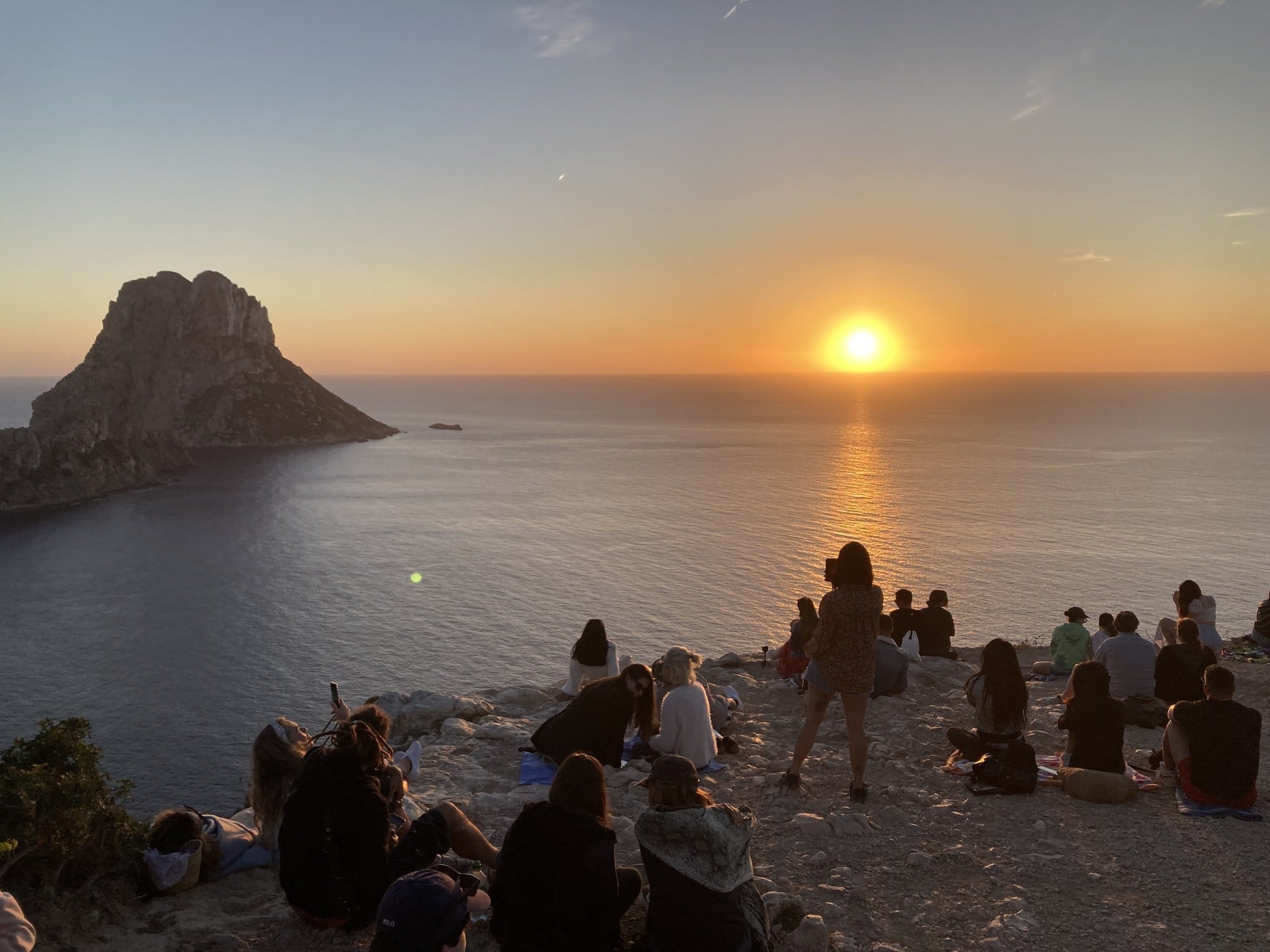
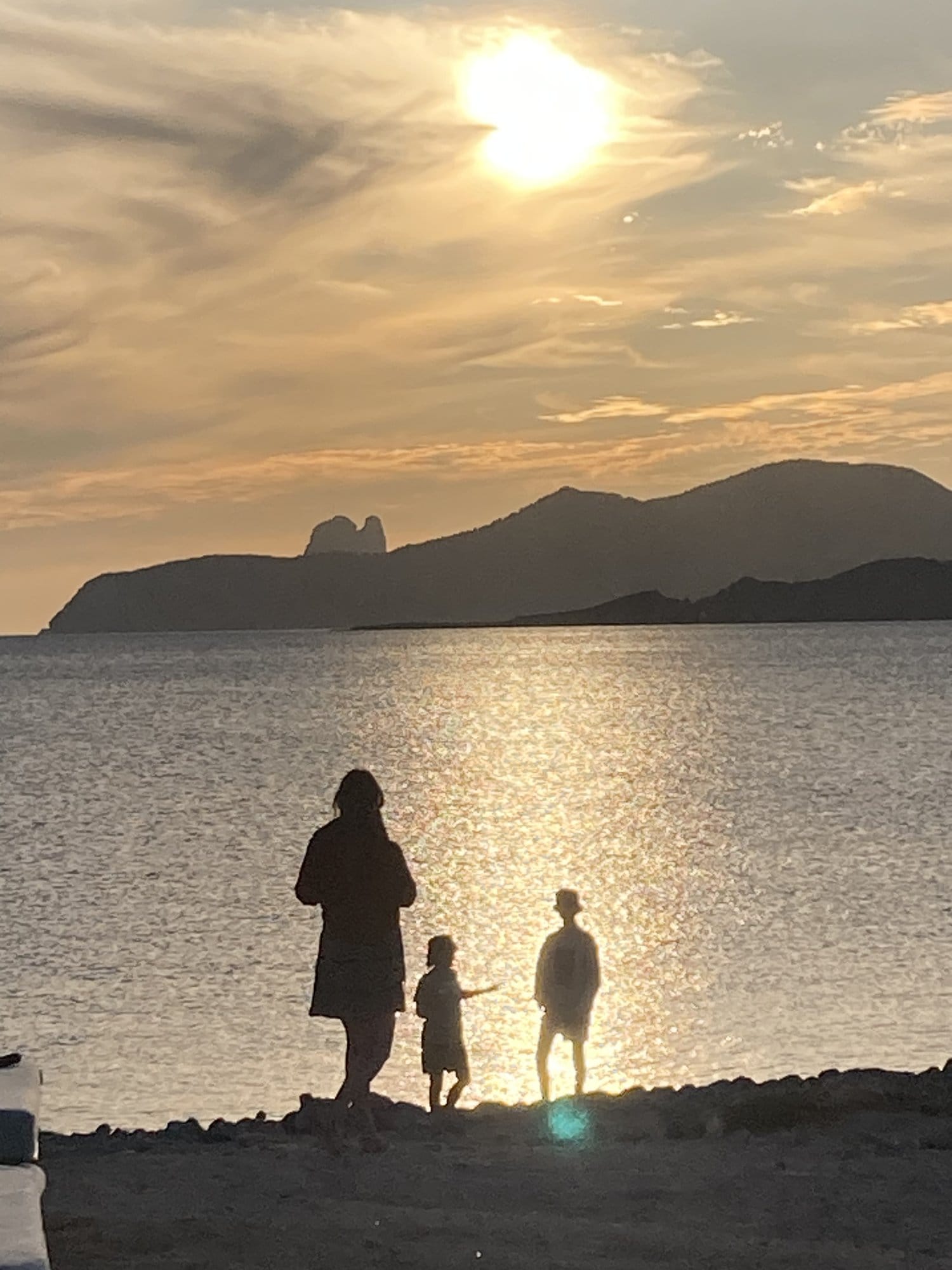
Ibiza carries a reputation shaped almost entirely by its nightclub culture — an island of electronic music, beach clubs, and hedonism. This reputation is not wrong, but it also profoundly obscures what makes Ibiza genuinely special for families: dramatic cliffs, turquoise coves, sunsets that justify the cliché, and the kind of Mediterranean light that clarifies why people move to islands in the first place. Paired with a ferry ride to its quieter neighbor, Formentera — a place where the water appears almost impossibly clear and the atmosphere is purely about sea, sand, and sun — a trip to the Pitiusas Islands offers families far more than clubbers realize.
Over seven days in April, traveling with children aged 14 and 10, we discovered an Ibiza that exists beyond nightlife: pine-forested cliffs, fishing villages, markets selling local produce, and restaurants where sunset is the main attraction. A day trip to Formentera revealed an even smaller, quieter island where the primary activity is essentially swimming in water that looks more Caribbean than Mediterranean. For families with teenagers or older children, the Pitiusas offer a compelling combination of natural beauty and enough activity to prevent boredom.
Affiliate Disclosure
This article contains affiliate links to accommodation partners and booking platforms. We may earn a small commission if you book through these links, at no extra cost to you. All recommendations reflect our genuine experience.
Why Ibiza & Formentera? Pitiusas Beyond the Clubs
The Pitiusas Islands — Ibiza and Formentera — occupy the westernmost edge of the Balearic archipelago. While Mallorca and Menorca feel connected to mainland Spain and European culture, the Pitiusas carry a different character: they've been tourist destinations longer, their landscape is drier and more Mediterranean, and the cultural mix (Catalan, Spanish, and decades of international migration) creates a genuinely cosmopolitan atmosphere. — Mallorca family road trip guide
Ibiza is the larger and more developed island. The city of Ibiza Town sits on the southern coast, historic and genuinely interesting beyond the nightlife context. Scattered around the island are fishing villages, beaches, and calas that reveal a quieter island existing alongside the clubs. The northern coast holds some of the most spectacular cliffs in the Balearics.
Formentera is deliberately quieter. With no airport and ferry-only access from Ibiza (or Mallorca), it has avoided the development that characterizes its neighbor. The island is tiny — roughly 20 km by 5 km — with most visitors focusing on beaches, swimming, and the simple act of being somewhere incredibly beautiful and relatively remote.
For families, this combination works: Ibiza provides enough activity and infrastructure to avoid boredom, while Formentera offers a day trip that feels genuinely different and remote. Together, they create a holiday that doesn't feel like a Mediterranean package tour, even though the ferry ride and infrastructure make it accessible.
Getting There & Getting Around
Flights to Ibiza
Ibiza Airport (IBZ) is one of Europe's busiest, with connections from across the continent. Direct flights from the UK, France, Germany, and other northern European countries are readily available, though frequency varies seasonally. Flight times from the UK are typically 2–2.5 hours. In April, we found excellent flight availability and reasonable pricing — lower than peak summer but higher than shoulder seasons.
Car Rental on Ibiza
A rental car is valuable for exploring Ibiza's interior and coast beyond the immediate town center. We picked up a compact rental at the airport; costs are moderate (€30–45/day) and driving is straightforward. However, you can base yourself in Ibiza Town without a car if your focus is the waterfront, restaurants, and beaches accessible by bus or taxi. If planning to explore villages, northern cliffs, and various calas, a car is worthwhile.
Ferry to Formentera
The ferry from Ibiza Town to Formentera takes 30–50 minutes depending on which ferry company and which port you use. Ferries run frequently in summer (hourly, sometimes more) and less frequently in shoulder seasons (every 1.5–2 hours). Return ferries follow similar schedules. In April, day trips were entirely feasible; you can catch an early ferry, spend the full day on Formentera, and return in the evening. Ferries accommodate cars, but most visitors walk on. The journey itself is scenic, crossing crystalline waters.
Ferry cost is roughly €15–25 per person return. Booking in advance during peak season is wise, though April allowed day-of purchases.
Ibiza airport (IBZ) sits 7 km south-west of Ibiza Town — taxi to the centre takes 15 minutes, ferry to Formentera takes another 30 from La Savina pier. Formentera has no airport of its own; you fly into IBZ, then connect by sea. Off-season flights from Barcelona regularly come in under €30.
Where to Stay & Accommodation Tips
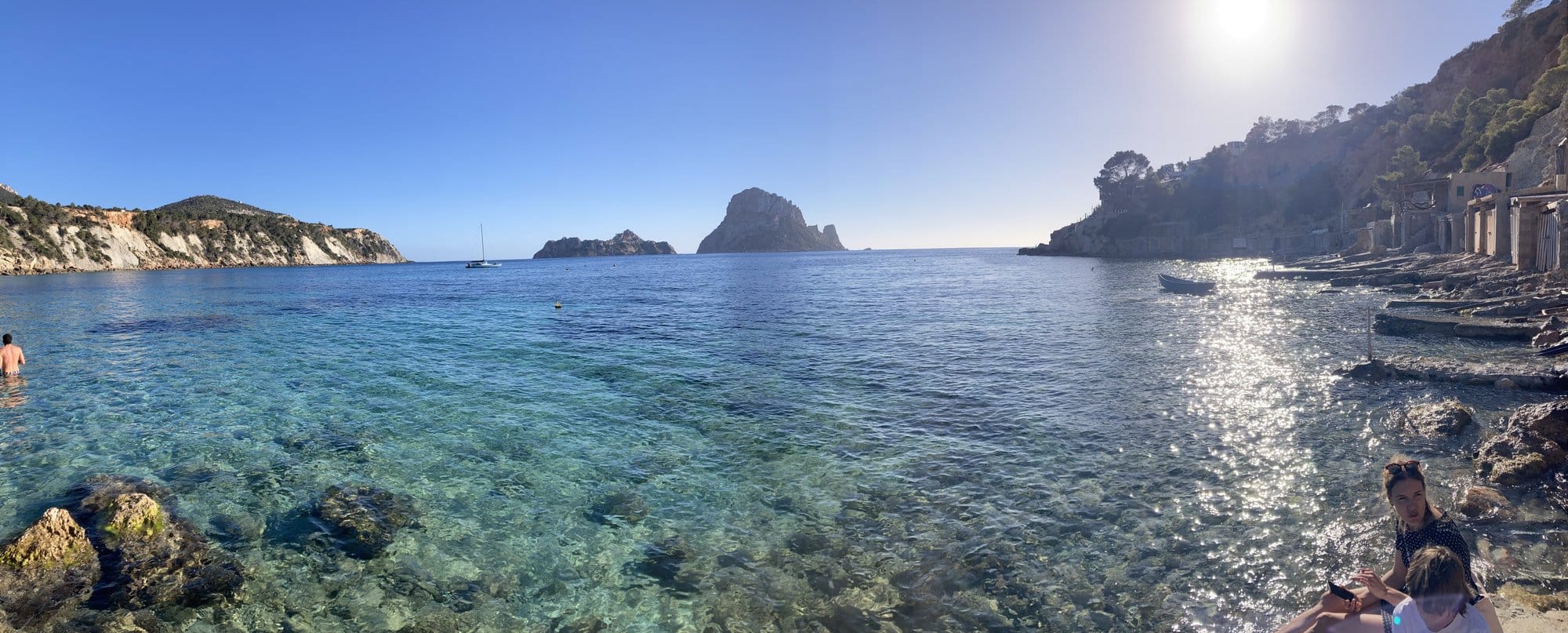
Ibiza Town offers the widest range of accommodation, from luxury hotels to modest guesthouses and apartment rentals. The town is genuinely interesting — narrow medieval streets, restaurants, markets, harbor views — making a central location worthwhile. Outside the town, beach villages like Cala Conta or Es Vedrà offer more resort-style accommodation.
We recommend basing yourself in Ibiza Town for the full duration. The town has enough interest to justify multiple days; ferries to Formentera depart from the town; and transportation to beaches and villages via bus or car is straightforward. April accommodation rates were roughly 40–50% lower than summer, and availability excellent.
Ibiza Town can feel touristy, and nightlife noise is present, but family-friendly areas and quieter hotels exist. Mid-range hotels with noise-insulating rooms are a worthwhile investment. Apartment rentals in residential neighborhoods offer more authenticity and typically include kitchen facilities.
Two Articles, One Experience: What to Explore
The Pitiusas separate naturally into two distinct experiences:
Ibiza: Calas, Cliffs & Sunsets Beyond the clubs, Ibiza offers dramatic northern cliffs, turquoise calas (Cala Conta, Cala Benirrás, Cala d'Hort), villages with character, and a style of Mediterranean living that appeals to older children and families beyond the younger-kids-and-beach focus. Read the full Ibiza guide
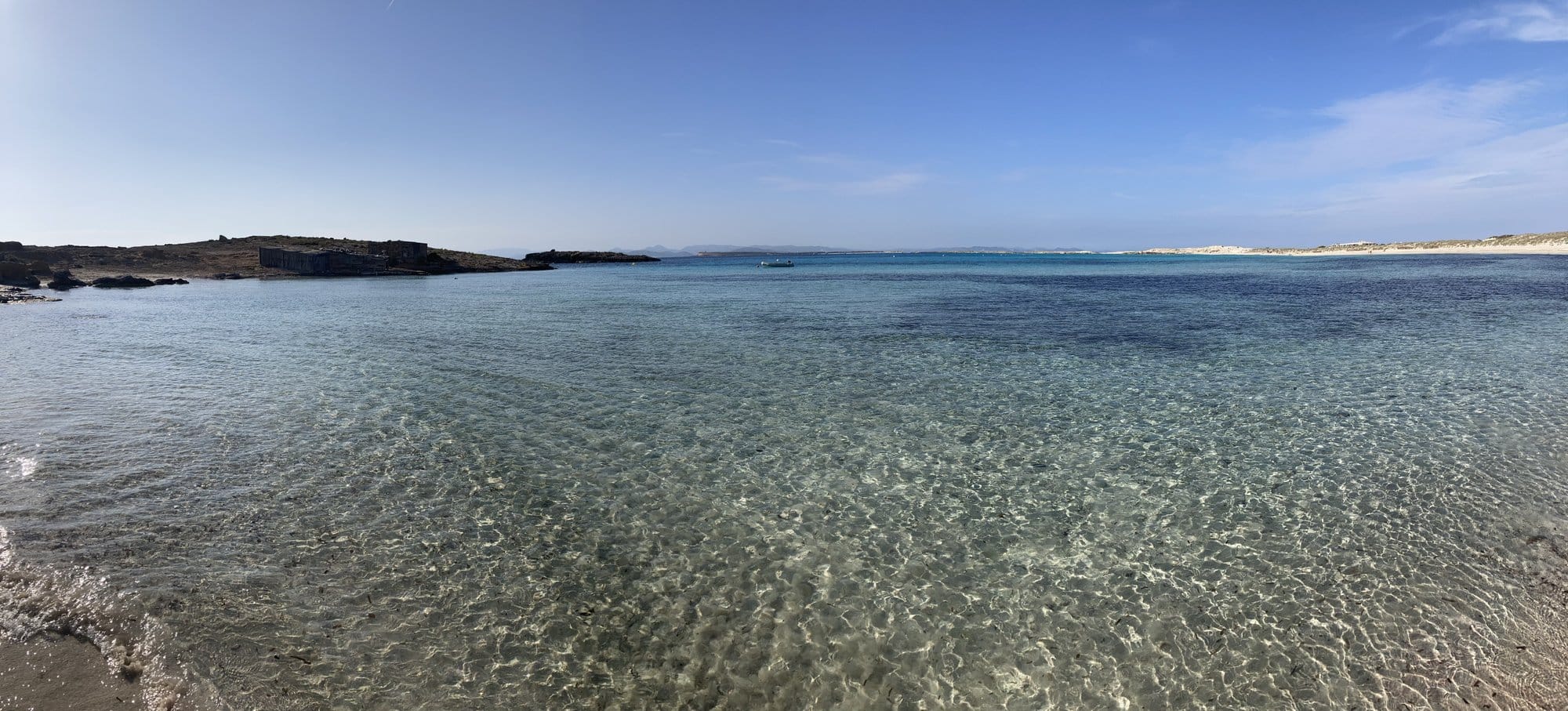
Formentera: Crystal Waters & Simple Living A ferry ride away, Formentera is an island without an airport, without major development, and without pretense. Two-thirds of visitors come for the day; the island's primary activity is swimming in water that's almost incomprehensibly clear. Beaches are long and sandy, villages are tiny, and the pace is determined by ferries and tides. Read the full Formentera guide
A Suggested 7-Day Itinerary
Days 1–2: Ibiza Town & Exploration Arrive at the airport (15 km from town), pick up a rental car (optional), and head to Ibiza Town. Explore the medieval streets, the harbor, local restaurants. If renting a car, make an afternoon trip to a nearby beach or cala (Cala Conta is roughly 20 minutes away). Otherwise, take the bus or taxi.
Day 3: Ibiza Exploration A day trip to northern Ibiza via car: the cliffs at Benirràs, Es Vedrà viewpoints, coastal villages. Return to Ibiza Town for the evening. This requires a rental car; without one, organize a tour or focus on town-accessible beaches.
Day 4: Formentera Day Trip Take the early ferry from Ibiza Town to Formentera (30–50 minutes). Spend the full day on beaches, swimming, and eating at beach restaurants. Return on an evening ferry. No car is necessary on Formentera; buses serve main beaches, or walking between them is manageable.
Day 5: Ibiza Rest Day Spend the day in Ibiza Town or nearby beaches. Markets, restaurants, harbor walks, beach time. Allow younger children to recover from the previous day's ferry travel.
Days 6–7: Final Beaches & Relaxation More beach days, village exploration, or market visits depending on family preference. On Day 7, return to the airport (potentially a morning flight) or spend the final evening in town.
This structure balances Ibiza exploration with the highlight of a Formentera day trip, while maintaining flexibility.
Budget & Costs
For a family of four in April, assuming mid-range hotels in Ibiza Town and local restaurants:
- Accommodation: €90–140/night, roughly €630–980 for 7 nights - Rental Car: €30–45/day (6 days if renting), roughly €180–270, plus fuel (~€40–50) - Ferries to Formentera: €15–25 per person, roughly €60–100 return for the family - Meals: €15–25 per person for lunch, €20–40 for dinner; figure €110–160/day for the family - Activities & Entry Fees: €40–80/day (many beaches are free; boat tours and water activities run €30–60/person) - Flights: Highly variable; in April from the UK, roughly €130–200/person return
Total estimate for 7 days: €1700–2600 for a family of four (flights from the UK, mid-range experience). This is reasonable for a Mediterranean experience with considerable comfort.
Peak summer pricing (June–August) increases 60–80%. Families choosing apartment rentals with kitchen facilities can reduce restaurant costs significantly.
When to Visit
April (Our Choice) Warm without being hot (highs around 22°C/72°F), sea pleasantly swimmable, tourists fewer than peak season. Nightlife infrastructure is open but not overwhelming; restaurants and shops fully operational. Excellent for families seeking warmth without heat stress.
May to June & September Slightly warmer/cooler variants of April. May warming toward summer; September cooling slightly. Both excellent for similar reasons. June begins warming significantly; September is nearly perfect weather-wise.
July to August Peak season. Hot (28–30°C+), very crowded, highest prices. The Formentera ferry queues can be substantial. The islands function, but feel saturated.
October to March Off-season. Cooler (highs 15–20°C), less crowded, lower prices. Winter months have some rain. Good for cultural exploration; less ideal for beach holidays.
School holidays align with April (Easter), October (half-term), and summer.
Practical Information
Visa & Entry Ibiza and Formentera are in Spain and the EU. EU/EEA citizens need a valid passport. US, Canadian, Australian, and other visitors typically receive 90 days visa-free under Schengen.
Currency & Costs Both islands use the euro. Card payments are widely accepted; ATMs are ubiquitous in Ibiza Town and beach villages. Tipping is not expected but small change as gratuity is appreciated.
Language Spanish is the official language; Catalan and Ibizenco (local dialect) are also spoken and seen on signage. English is widely understood in tourism-related businesses, though Spanish phrases are helpful.
Getting Around Ibiza is compact but benefits from a car for full coastal exploration. Formentera is small enough that buses serve main beaches, though renting a scooter or walking between beaches is also viable. Ferry access between islands is straightforward and frequent.
Accommodation Booking April is early enough in the season that booking 4–6 weeks in advance offers good selection. Peak summer requires earlier booking. Shoulder seasons can fill quickly as travelers avoid both dead winter and peak prices. The same logic applies elsewhere in the Mediterranean — see why April works for Northern Greece for a comparable shoulder-season case study (empty beaches, blooming Zagori, uncrowded monasteries).
Internet & Communications Mobile coverage is excellent across both islands. EU roaming applies for European visitors; others should check with providers or purchase local SIMs.
Frequently Asked Questions
Is Ibiza suitable for families with teenagers but not younger children? Yes, Ibiza works well for families with teenagers (12+). The island offers enough activity and interest to prevent boredom, restaurants and nightlife are genuinely interesting, and the beaches and calas appeal to older kids. Families with very young children (under 5) might find it less compelling; the island lacks the specific infrastructure (playgrounds, gentle attractions) that appeals to toddlers.
Can we avoid the nightclub scene entirely? Absolutely. Nightlife is concentrated in specific venues and areas; avoiding those neighborhoods means you won't encounter it. Ibiza Town's old quarter is fascinating and not part of the nightclub zone. Daytime and sunset activities (beaches, cliffs, restaurants) exist in their own realm.
Is a day trip to Formentera enough, or should we stay multiple nights? A day trip captures Formentera's essential appeal: swimming in impossibly clear water, eating fresh fish by the beach, and experiencing the island's remoteness and quiet. Many visitors do exactly this. However, staying overnight allows a slower pace, fewer crowds (ferries run less frequently after sunset), and a different experience of the island. For a family on a budget, a day trip makes sense; for a week-long holiday, adding 1–2 nights on Formentera deepens the experience.
What's the water temperature, and when can we swim? In April, water temperatures hover around 15–16°C (59–61°F) — cool but manageable for most swimmers with a rash guard or brief immersion. May–June are warmer (18–21°C). August peaks around 26–27°C. The islands are swimable year-round for hardy swimmers; April is pleasant without being bathwater-warm.
How touristy is Formentera? Significantly less touristy than Ibiza, though still a destination. The lack of airport means fewer day-trippers than Ibiza's beaches. Main beaches fill up during peak hours and peak season, but exploring multiple beaches reveals quiet alternatives. The villages feel genuinely local; tourism is present but not dominating.
Plan Your Trip
Activities: You can browse all Ibiza & Formentera activities to make the most of your visit.
Accommodation: Use Trip.com to search hotels in Ibiza & Formentera with competitive rates and free cancellation.
Find the best deals on accommodation:
More European Road Trips
If the Pitiusas captured your interest in Mediterranean island exploration and family travel, consider these related guides:
- French Alps Family Road Trip — Alpine scenery, lakes, and European culture - Northern Italy Road Trip — Mountains, Italian villages, and Renaissance heritage - Things to Do in the Algarve — Cliffs, fishing culture, and Portuguese warmth - Portugal Travel Guide — Diverse landscapes and authentic culture beyond the coast - Oman Family Road Trip — Desert and mountain adventure in the Middle East
The Pitiusas offer families a Mediterranean experience that balances beauty, activity, and accessibility. Ibiza's varied coastline and cultural offerings combine with Formentera's simple, crystalline appeal to create a week that feels simultaneously adventurous and restorative. For families with older children seeking something beyond standard beach holidays, it's a compelling choice.