
Timanfaya, La Geria & César Manrique: Lanzarote's Volcanic Heart
The volcanic heart of Lanzarote is where art and geology collide. Timanfaya's otherworldly lava fields, César Manrique's creations and the unique volcanic vineyards of La Geria are all essential to understanding the island.

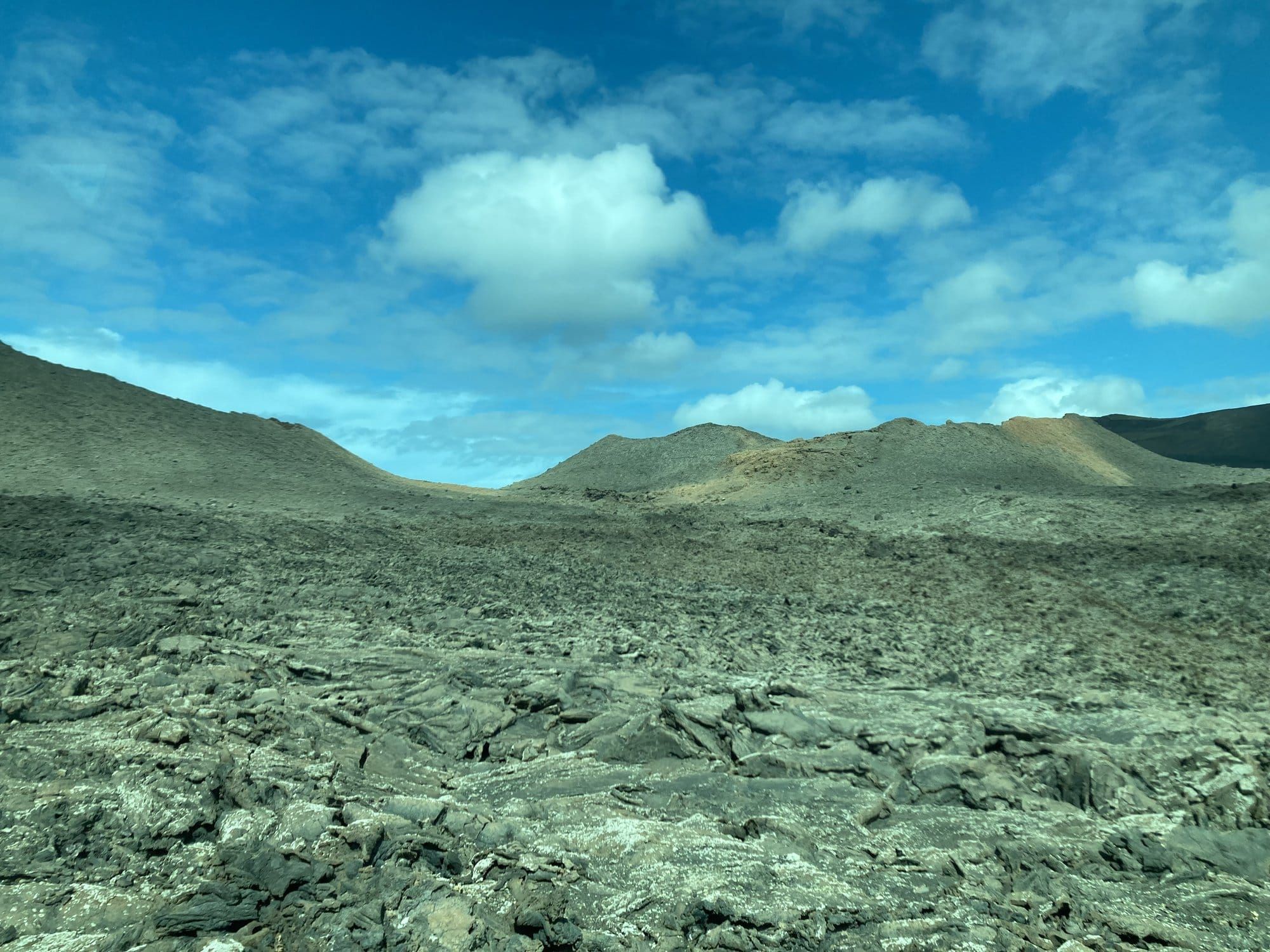
The centre of Lanzarote is the island's true heart — a landscape so shaped by volcanic eruptions that it feels less like a holiday destination and more like standing on an alien planet. This is where you find Timanfaya's vast lava fields, the unique wine region of La Geria, and several of César Manrique's most ambitious architectural works. It is the most geological, most artistic and most spectacular part of the island.
We spent multiple days exploring the centre, and it is here that Lanzarote revealed itself as truly extraordinary. The combination of raw natural drama and human creativity is unmatched anywhere else in Europe.
Bookings: Some of the links in this article are affiliate links. This means that if you choose to make a booking, we will receive a small commission at no extra cost to you. Thank You!
Timanfaya National Park: Driving Through the Lava Fields
The Parque Nacional de Timanfaya is Lanzarote's most famous attraction, and with good reason. The entrance fee is modest (around €12 per car), and it includes both a self-guided drive through the lava fields and a seat on a guided bus tour that takes you deeper into the volcanic landscape.
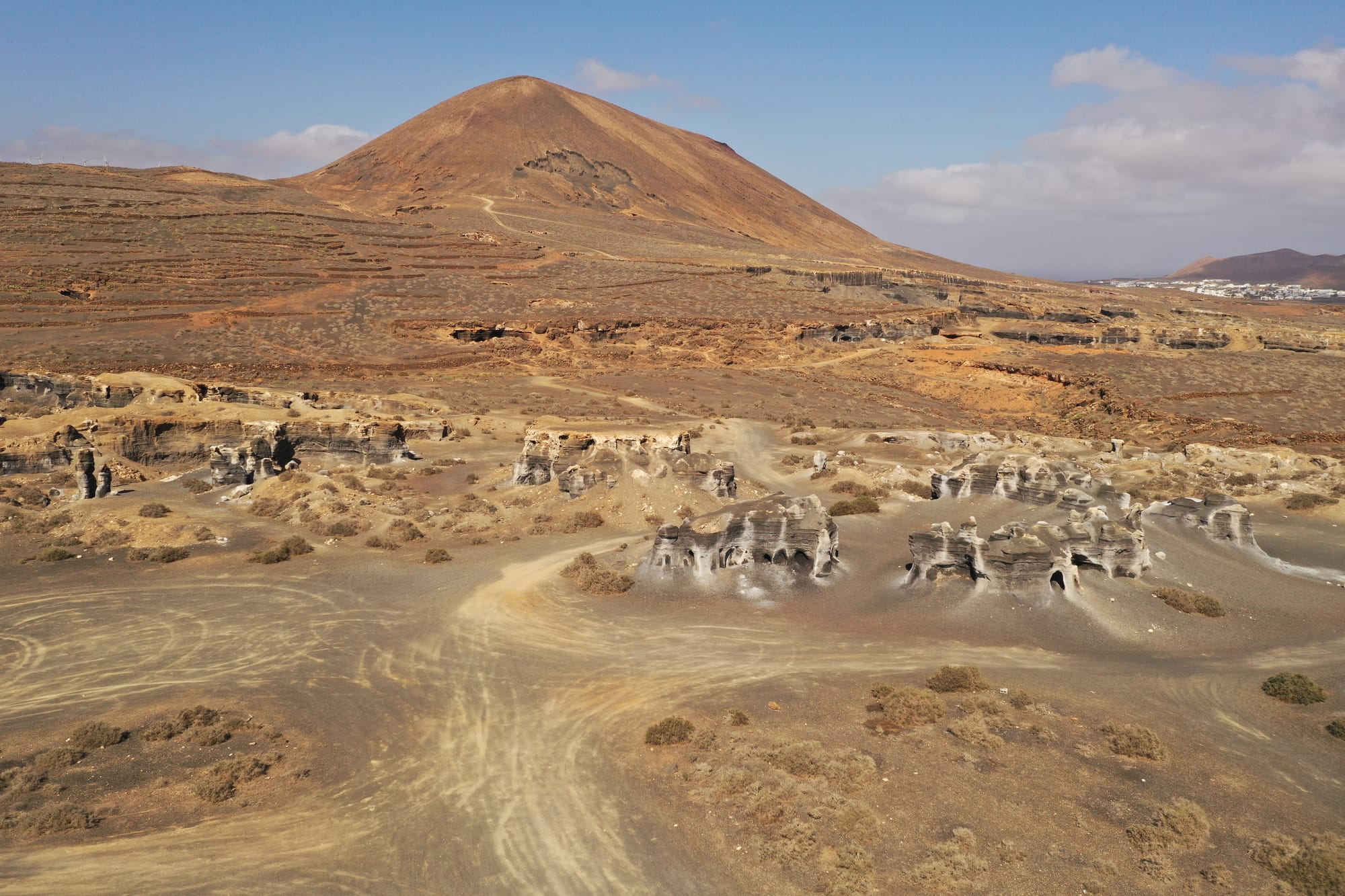
The drive winds through a vast expanse of solidified lava — twisted black rock formations stretching to the horizon in every direction, with volcanic cones rising in sharp relief against the blue sky. The landscape is so utterly barren and otherworldly that it has been used as a filming location for science fiction movies. Seeing it in person is far more striking than any photograph can capture.
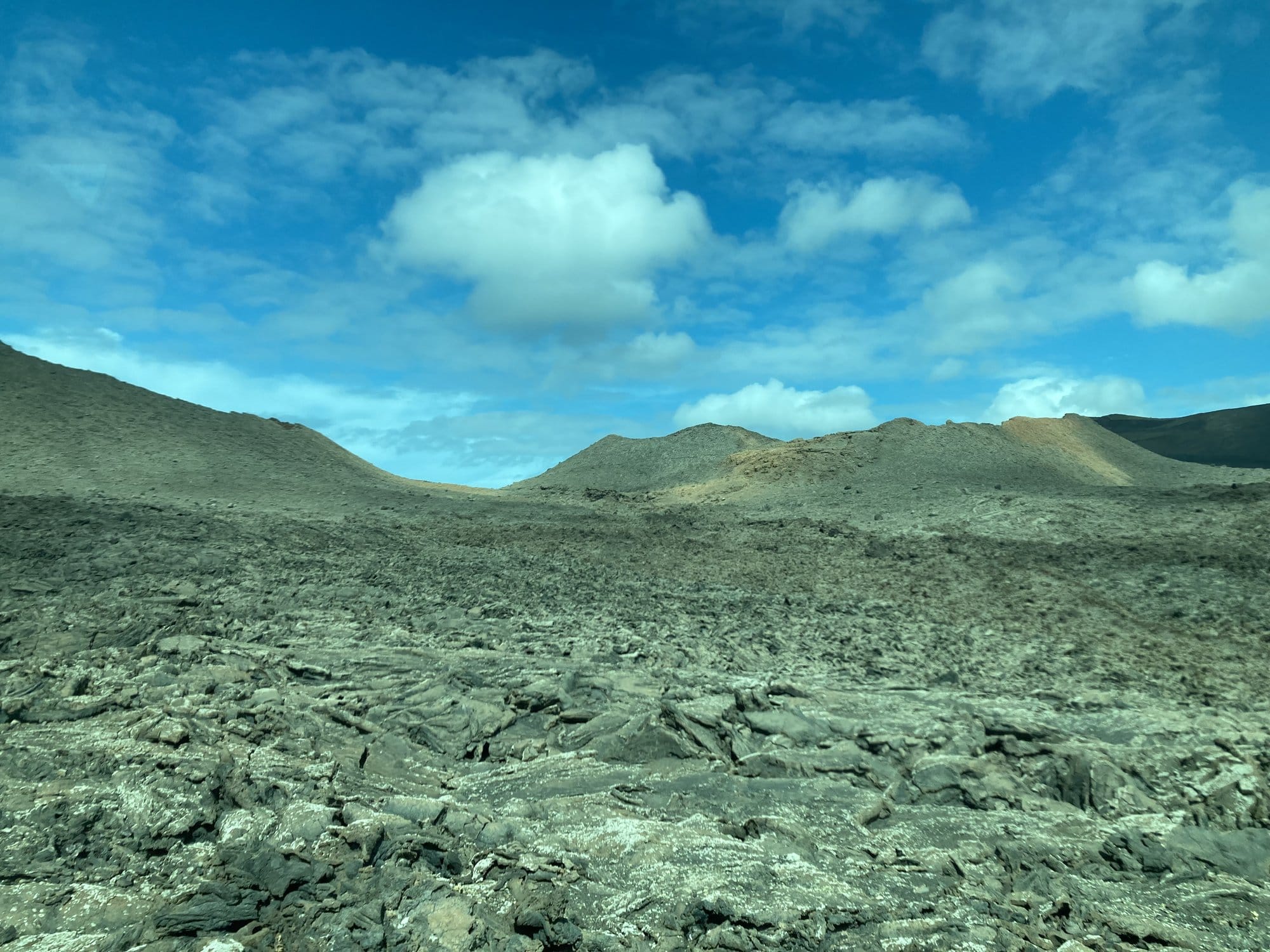
The road is well-maintained and easy to drive, with several pullouts for photographs. We spent about an hour on the self-guided section, stopping frequently. The silence is remarkable — there is no vegetation, no animal sound, just the crunch of gravel under tyres and the wind across the barren rock.
The guided bus tour (included in your entry) takes you along roads that weave between the craters, and the scale of the eruptions becomes clear only when you see how far the lava flows extend in all directions. The driver provides commentary about the volcanic history and the 1730–36 eruptions that reshaped the island. The whole experience takes about two hours.
El Diablo Restaurant: Dining Over Active Magma
At the heart of Timanfaya sits El Diablo, one of the most unusual restaurants in the world. The building itself is perched on a volcanic ridge, and its kitchen uses the residual heat from magma still radiating beneath the surface to grill meat.
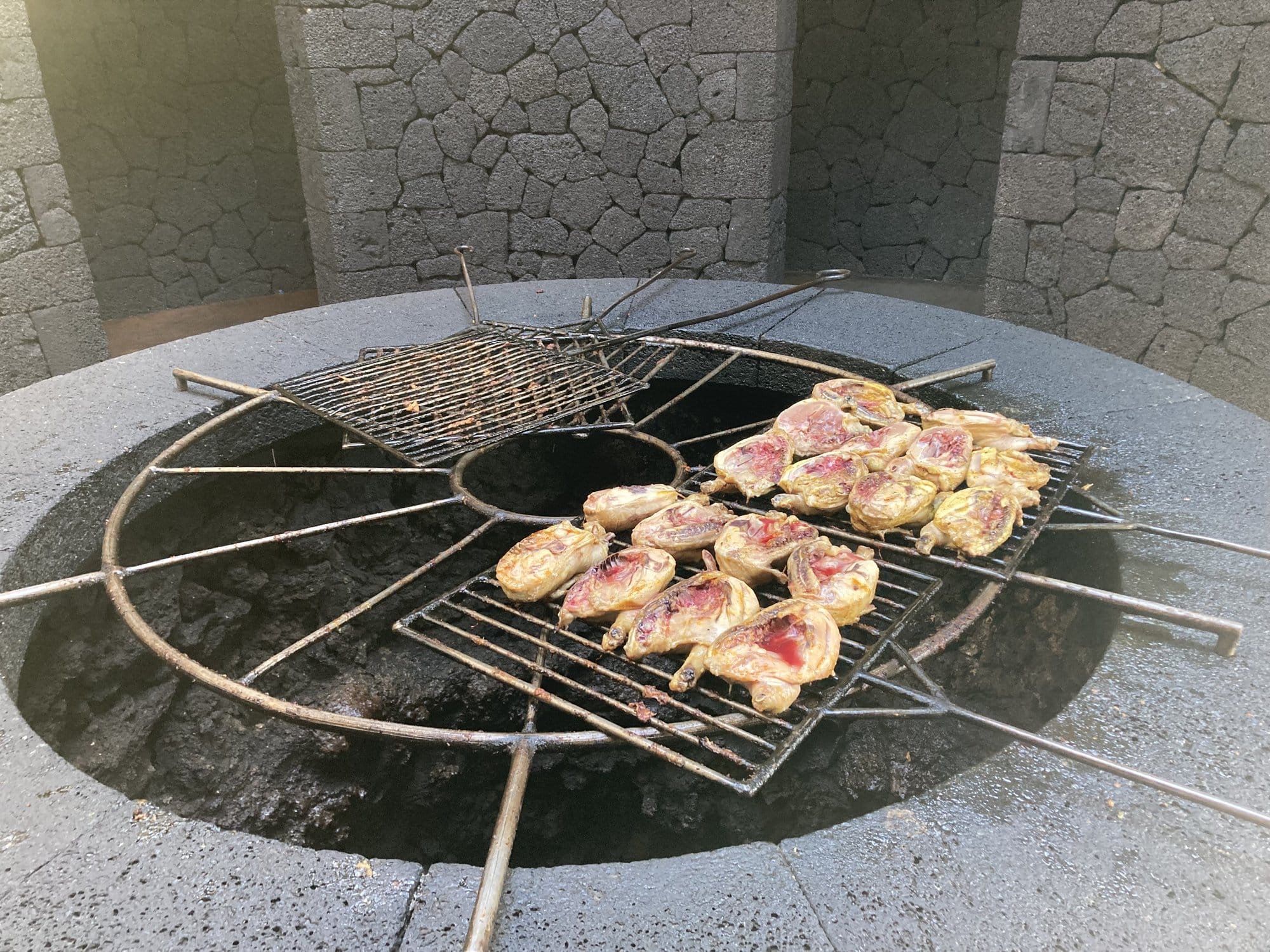
Watching chicken and steak sizzle on a grill powered by the earth itself is utterly fascinating. The children were spellbound. The food is simple and well-executed — grilled meats served with salads and bread. It is touristy, certainly, but the experience is genuine and memorable. A main course costs around €18–€25. Book ahead during summer season, but in February we walked in without a reservation.
The restaurant's windows offer views across the lava fields, and the sense of dining in such an extraordinary landscape adds to the occasion. It is one of those travel experiences that stays with you.
Caldera Blanca: Hiking Above the Volcanic Desert
One of the best hikes on Lanzarote is the walk up to Caldera Blanca, a volcanic crater cone that rises 460 metres above the surrounding lava fields. The trail starts from the village of Mancha Blanca and follows a path through the lava before climbing steeply to the crater rim.
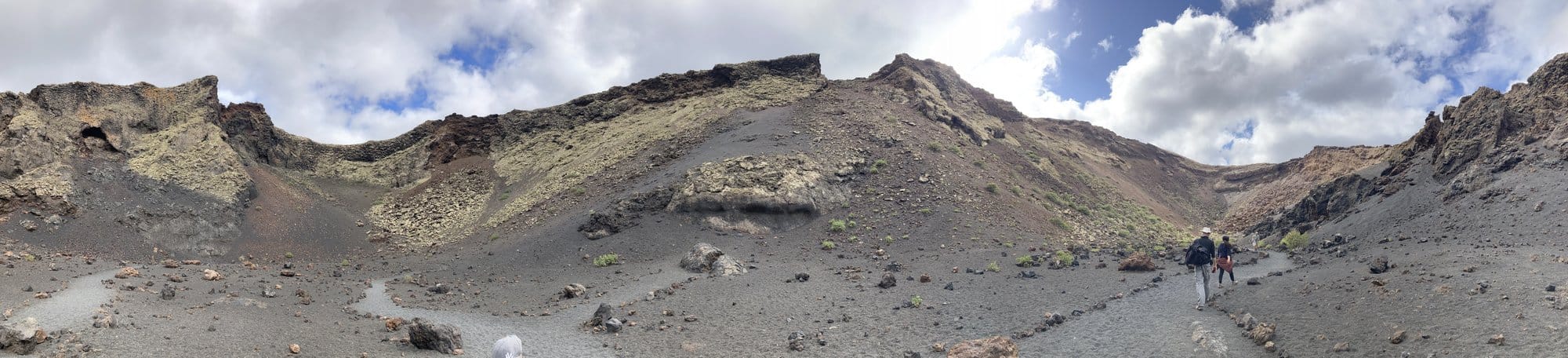
The walk takes about three hours round trip and is manageable for families with children aged 8 and up. It is steep in places, but the path is clear and the reward is spectacular — from the rim you can see across the entire central plateau of lava, with the Atlantic Ocean visible in the distance. On a clear day the views extend to neighbouring islands.
The landscape becomes progressively more dramatic as you climb — the volcanic cones become clearer, the scale becomes apparent, and the stillness is almost unsettling. By the time you reach the rim, you feel entirely alone in a primordial landscape.
La Geria: Wine Country in the Desert
Lanzarote produces wine in one of the most extraordinary vineyards in the world, and a visit to La Geria is essential. The wine region is centred on the slopes surrounding volcanic cones, and the technique used here is unique in the world.
Vines are planted individually in shallow pits dug into the volcanic gravel, each protected by a low semicircular wall of lava stone. This ancient technique, perfected over centuries, captures moisture from the trade winds and protects the plants from the constant Atlantic breeze. From above, the landscape of thousands of crescent-shaped walls stretching across the black hillside is almost hypnotic.
The local Malvasía Volcánica is a dry white wine with a distinctive mineral character — quite unlike anything else you have tasted. Several bodegas offer tastings and small restaurant experiences. Book a wine tour and tasting experience in La Geria
We visited a small family-run bodega and sat on a terrace overlooking the vines, tasting three wines alongside local cheese and cured meats. The €25–€35 per person price felt generous for the experience and the quality of what we were drinking.
The Fundación César Manrique: Art and Architecture
César Manrique was a visionary artist and architect who transformed Lanzarote from a poor, overlooked island into a destination where art, nature and commerce coexist harmoniously. His philosophy was that development should enhance the landscape, not dominate it. His buildings are subtle, integrated, and utterly distinctive.
The Fundación César Manrique is housed in Manrique's former home — a whitewashed building set on a plateau of black lava, with a striking contrast between the building's simplicity and the dramatic landscape surrounding it. Inside, the house reveals unexpected complexity: multiple levels carved into the lava rock, internal courtyards, and spaces that feel both modern and timeless.
The foundation displays Manrique's paintings, sculptures and sketches, and walking through the house gives you a sense of his creative process and his obsession with integrating human spaces into the natural environment. Book tickets to the Fundación César Manrique
Jardín de Cactus: Manrique's Final Masterpiece
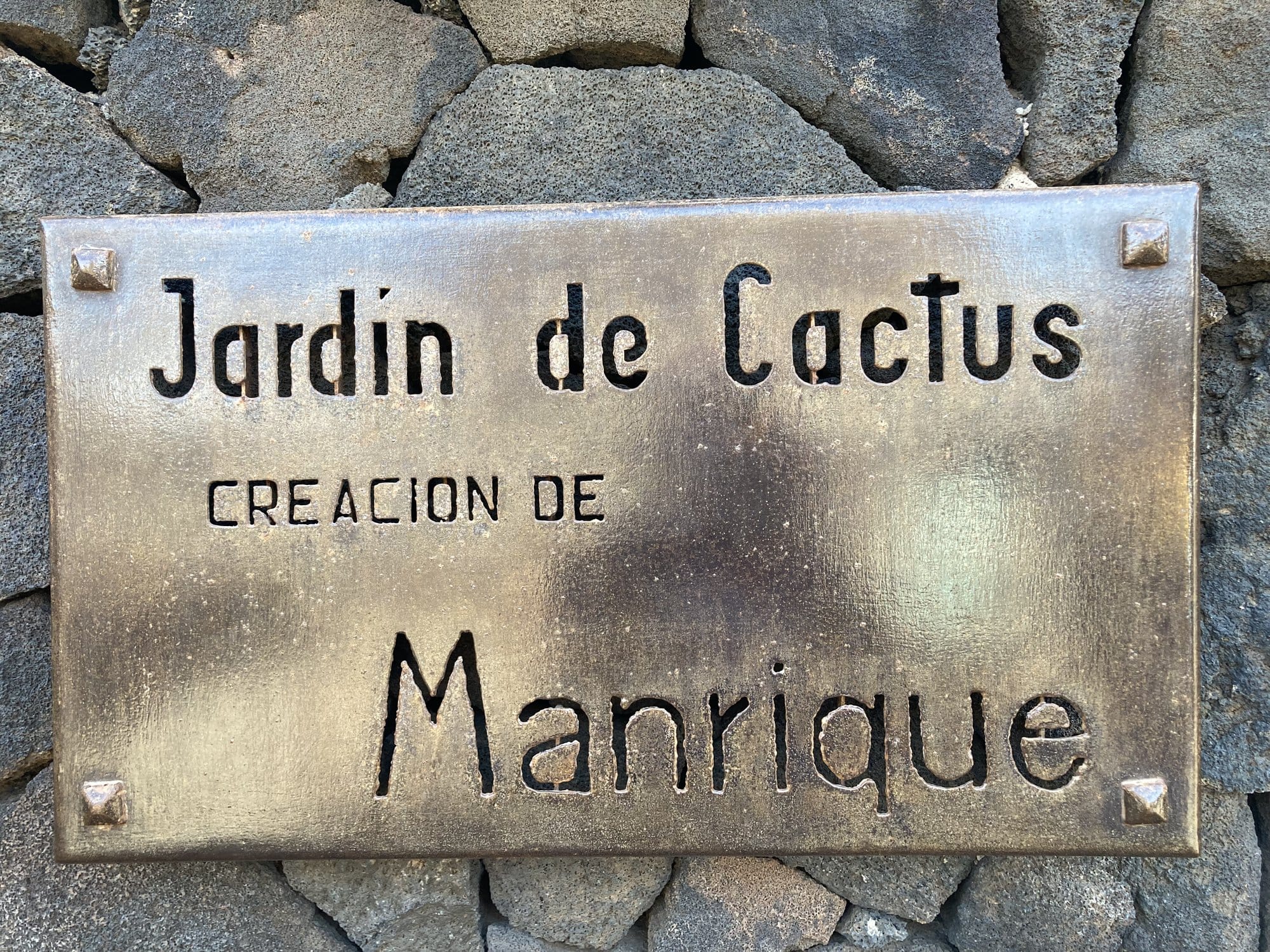
The Jardín de Cactus is César Manrique's last major work, completed in 1990 shortly before his death. It is a masterpiece — a botanical garden built inside an old quarry in the northeastern part of the island, containing over 4,500 cacti of 450 different species, arranged in terraces of black volcanic gravel.
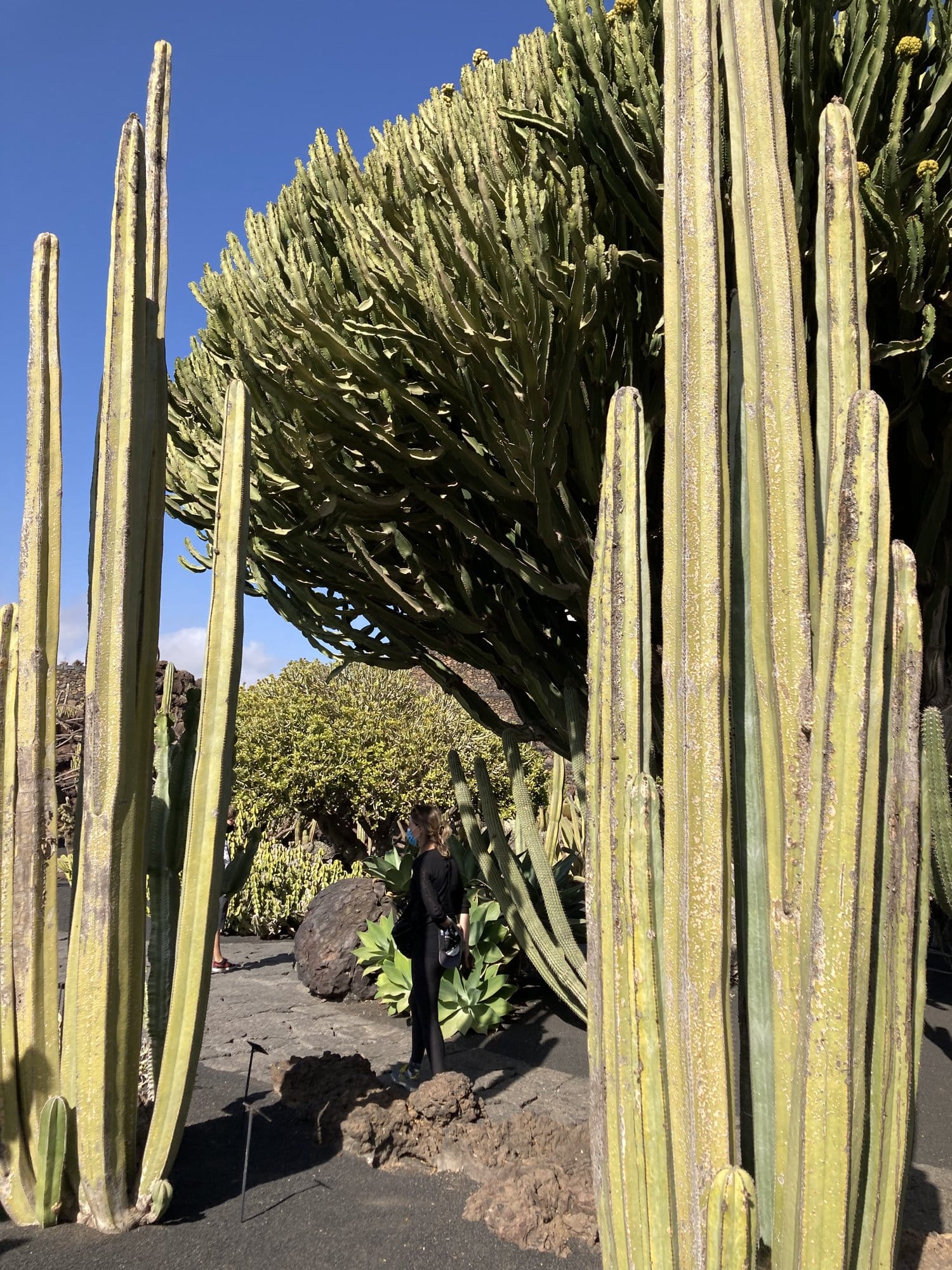
The garden is at once a botanical attraction, a sculpture park and a piece of land art. Every detail feels intentional — the spacing of the plants, the colour palette, the way water moves through the garden. Walking through the terraces, you move through different microclimates and landscapes, each one carefully composed.
The garden is beautiful at any time of day, but the late afternoon light is particularly good — the shadows lengthen across the gravel and the cacti glow against the dark volcanic backdrop. We visited in the early morning and again in the late afternoon, and both times were magical in different ways. Entry is around €7–€9 per person.
Practical Information
How to Get There
The centre of Lanzarote is most easily accessed from Costa Teguise (where we stayed) or Arrecife, the main town. Timanfaya is about 30 km west of Arrecife. A rental car is essential — public transport is minimal. The roads are excellent and distances are short.
Timanfaya and La Geria sit in the centre of Lanzarote, 20 minutes by car from Arrecife airport (ACE). Most flights from Madrid, Manchester and Düsseldorf land before noon, which lets you check in, drive to Timanfaya, and still catch the afternoon volcano demonstration.
Best Time to Visit
Winter (November–March) is the best time to explore the volcanic landscape. Summer can be extremely hot — the black lava absorbs the sun's heat and radiates it back, making the landscape unbearably warm. February, when we visited, was ideal — warm enough for comfort but cool enough for hiking.
Budget Guidance
A typical day exploring the centre might break down as:
- Timanfaya entry: €12 per car
- El Diablo meal: €18–€25 per person
- Wine tasting and tour: €25–€35 per person
- Manrique sites: €7–€15 per person
- Car hire: €25–€35 per day
Maps
Use our interactive map to find accommodation and key sites across the centre of Lanzarote.