
Serra de Tramuntana, Mallorca: Scenic Mountain Road Trip
The Serra de Tramuntana runs along Mallorca's northwest coast like a dramatic spine of limestone peaks, charming villages and winding mountain roads.


The Serra de Tramuntana runs along Mallorca's northwest coast like a dramatic spine of limestone peaks, charming villages and winding mountain roads. Stretching nearly 90 kilometers from Andratx in the south to Pollença in the north, this UNESCO World Heritage-listed mountain range transforms every drive into a scenic journey punctuated by unexpected perspectives: hidden coves, medieval monasteries, lush terraced gardens, and villages that seem suspended between earth and sky.
Traveling with kids through these mountains requires planning—the roads wind, hairpins surprise at every corner, and the mountain air carries the kind of cool that makes you want to stop and explore. But therein lies the magic of Serra de Tramuntana: each bend reveals something worth pausing for, and the slower pace of mountain driving forces a deeper engagement with the landscape.
Bookings: Some of the links in this article are affiliate links (GYG, Trip.com, Stay22). We earn a small commission at no extra cost to you, which helps support our family travels and MapTrotting updates.
Starting in Pollença: The Northern Gateway
Pollença occupies a valley sheltered from Tramuntana's highest peaks, but the town itself feels alpine in character. The old town clusters around a 13th-century church tower, with narrow streets that reward wandering. Market day—Sundays—fills the main plaza with produce vendors, local cheeses, and the kind of hustle that brings mountain towns to life. Families will appreciate the relaxed pace here; there's no rush to see everything in an hour.
The Calvari, a monumental staircase of 365 steps leading uphill, offers both the challenge kids enjoy and a panoramic reward at the top. On clear days, the view extends across the Bay of Pollença to the Formentor peninsula—the kind of vista that makes the climb worth every step.
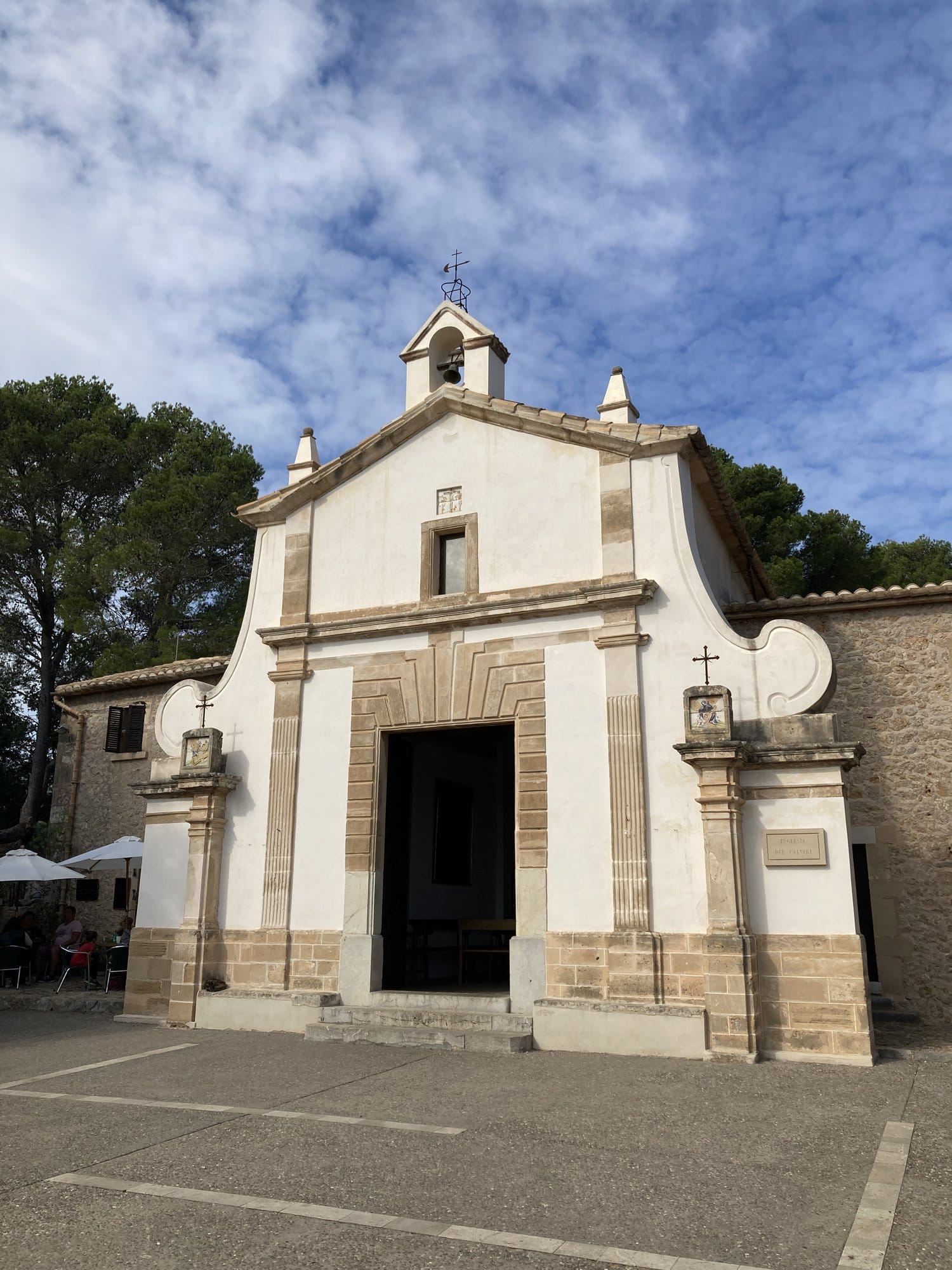
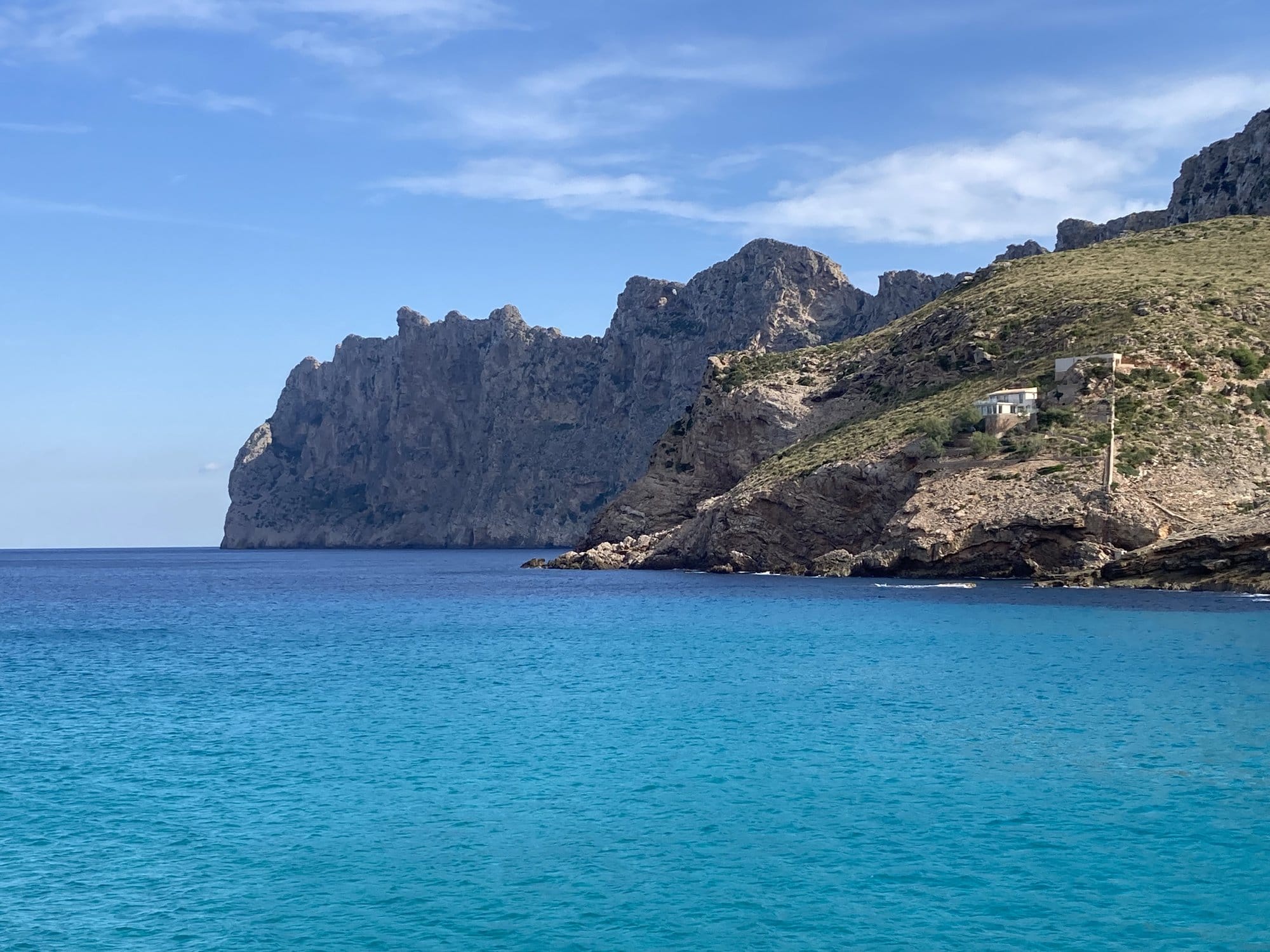
Just southeast of Pollença, Cala Sant Vicenç breaks the rule that mountain regions have no beaches. This sheltered cove, backed by pine forest and edged with small pebbled beaches, offers genuine respite and swimming. The narrow road down feels appropriately remote; children can paddle while adults take in the rare combination of mountain air and Mediterranean sun.
The Mountain Road: Sóller and the Heart of Tramuntana
South from Pollença, the road climbs deliberately, entering the serious mountains. The landscape shifts: almond and olive groves give way to wild herbs, rocky outcrops, and vistas that stretch to the coast. On a clear day, the panorama feels endless—an elevation that justifies all the winding.
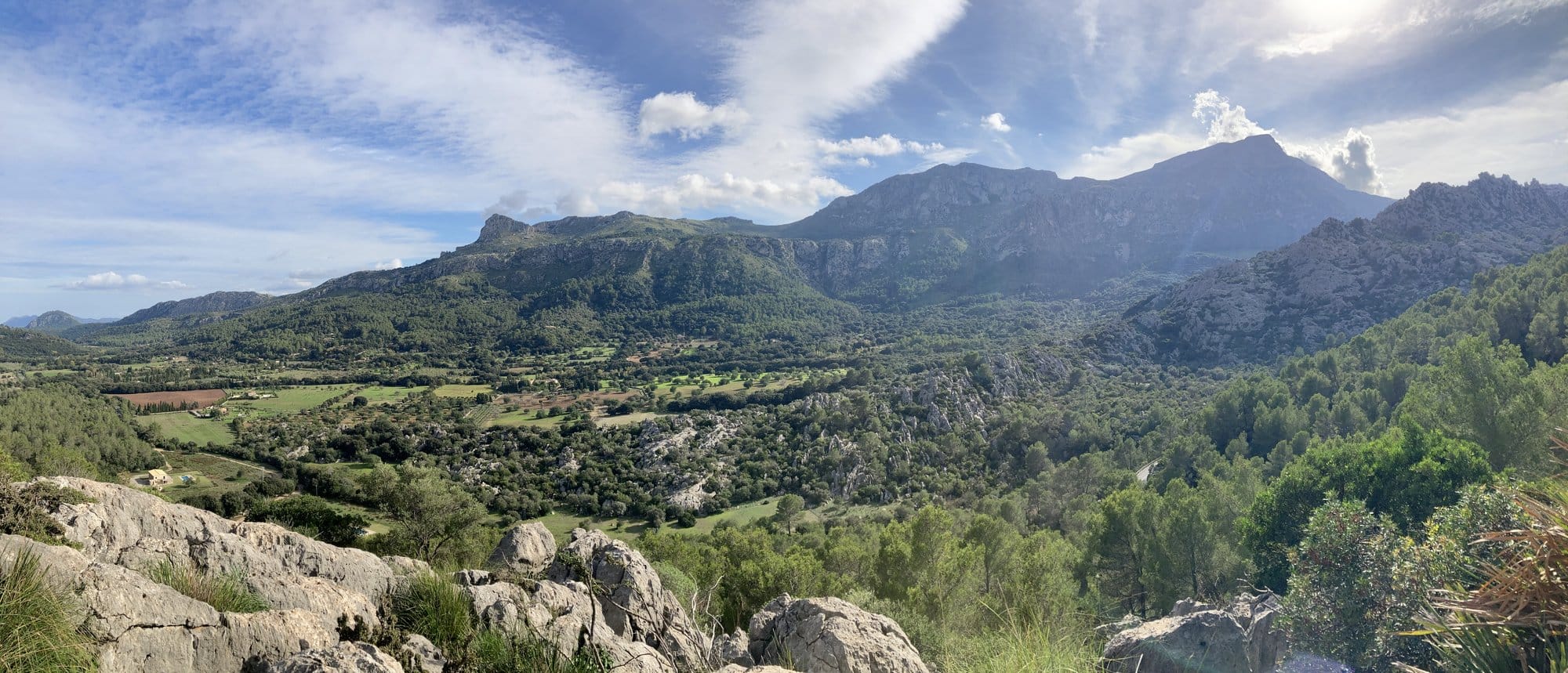
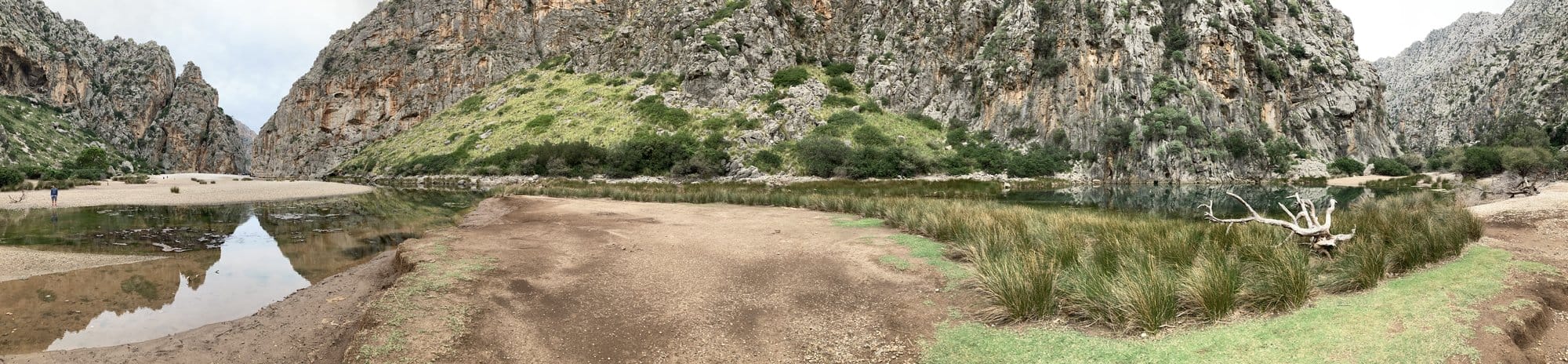
The highest point, near the Gorg Blau reservoir, crests around 600 meters. Here, the landscape opens fully: steep valleys, terraced slopes, and water so clear it reflects the surrounding peaks. Families driving through should factor in time to pull over—children especially appreciate the dramatic change from coastal Mallorca to something that feels almost alpine.
Sóller emerges from the mountains as a surprise: a major town built on oranges and tourism, with a central plaza (Plaça Constitució) that feels more Mediterranean than mountain. The Sunday market spills with produce and local goods; visiting families should time their trip for market day if possible. The nearby Port de Sóller, a shorter drive or vintage tram ride downhill, offers beach and seafood, completing the mountain-to-coast transition in minutes.
Villages of Character: Fornalutx, Deià, and Valldemossa
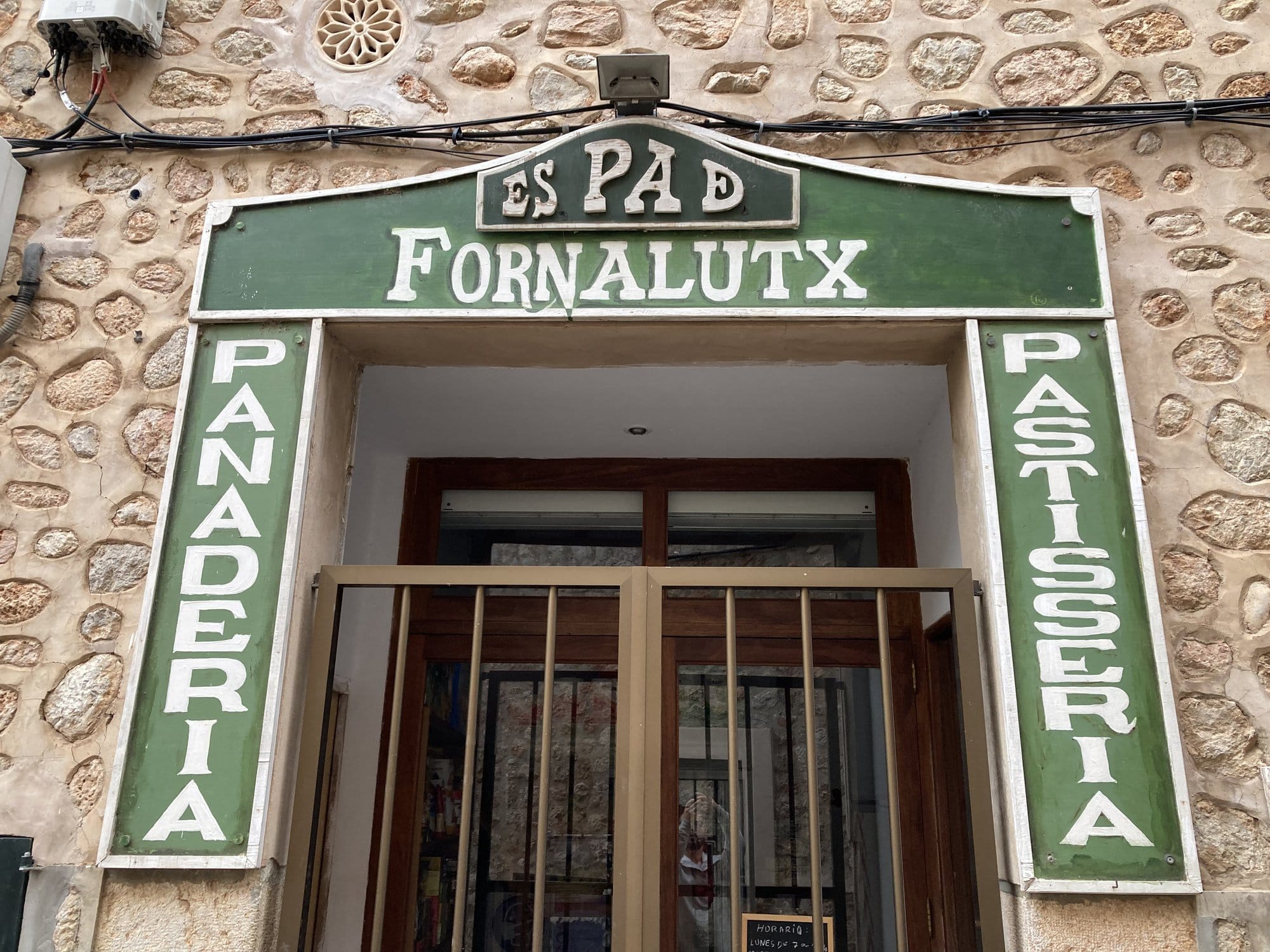
Fornalutx, just downhill from Sóller's market plaza, preserves the original character many Balearic towns lose to tourism. Stone houses, narrow streets, and a quiet main square make it feel like stepping backward in time. There's little to "do" here in the tourist sense, which is precisely the point—this is a place for slowing down, ordering something at a terrace café, and letting children explore pedestrian streets without traffic concern.
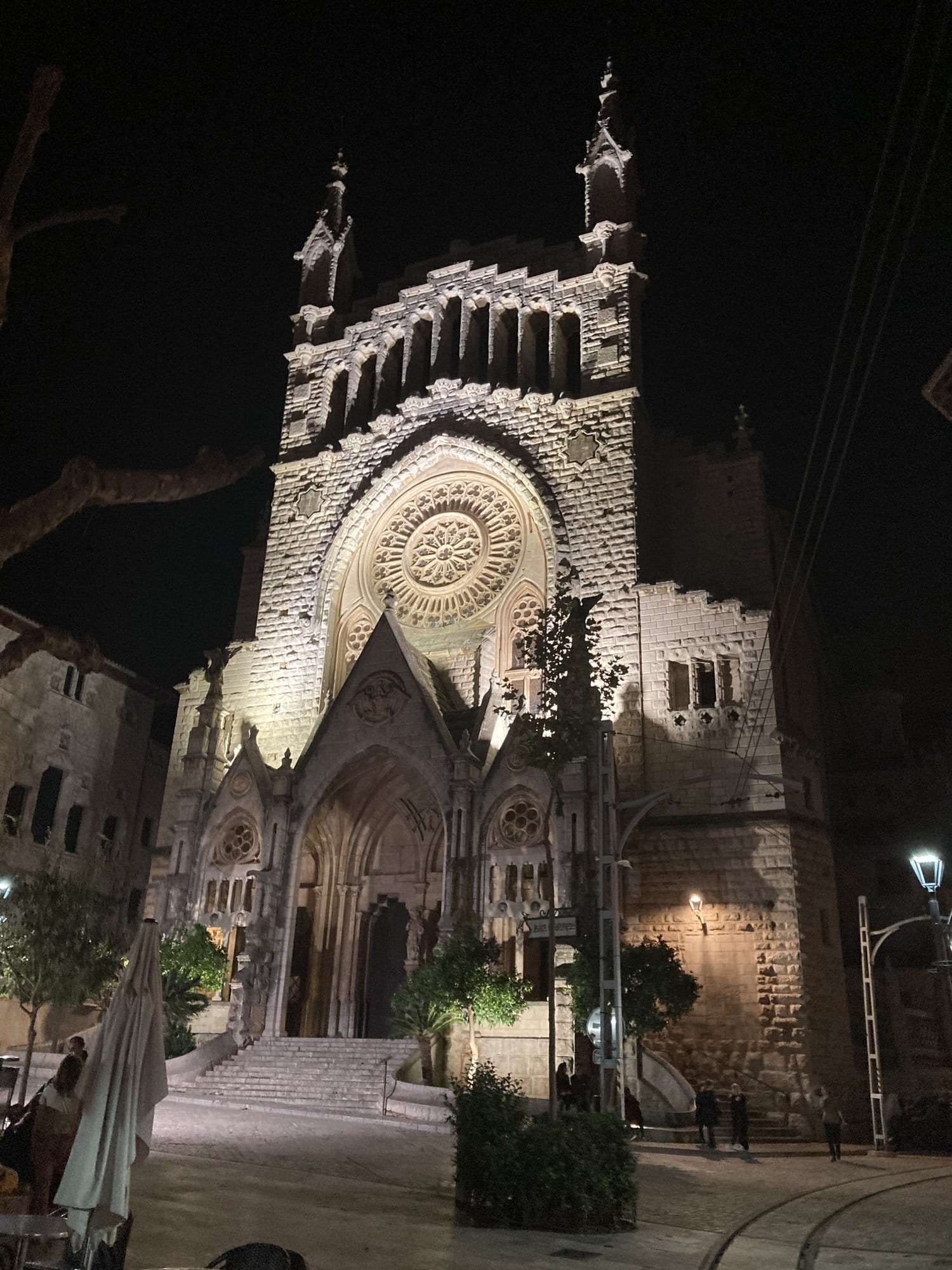
Deià carries a different reputation: artsy, upscale, and famously beautiful. The village clings to a steep hillside overlooking the coast, connected by stone lanes that descend dramatically. Sant Bartomeu church, illuminated at night, becomes a beacon visible across the valley. The town accommodates families, though accommodation and dining prices reflect its popularity; think of Deià as a special-occasion stop rather than a base for extended stays.
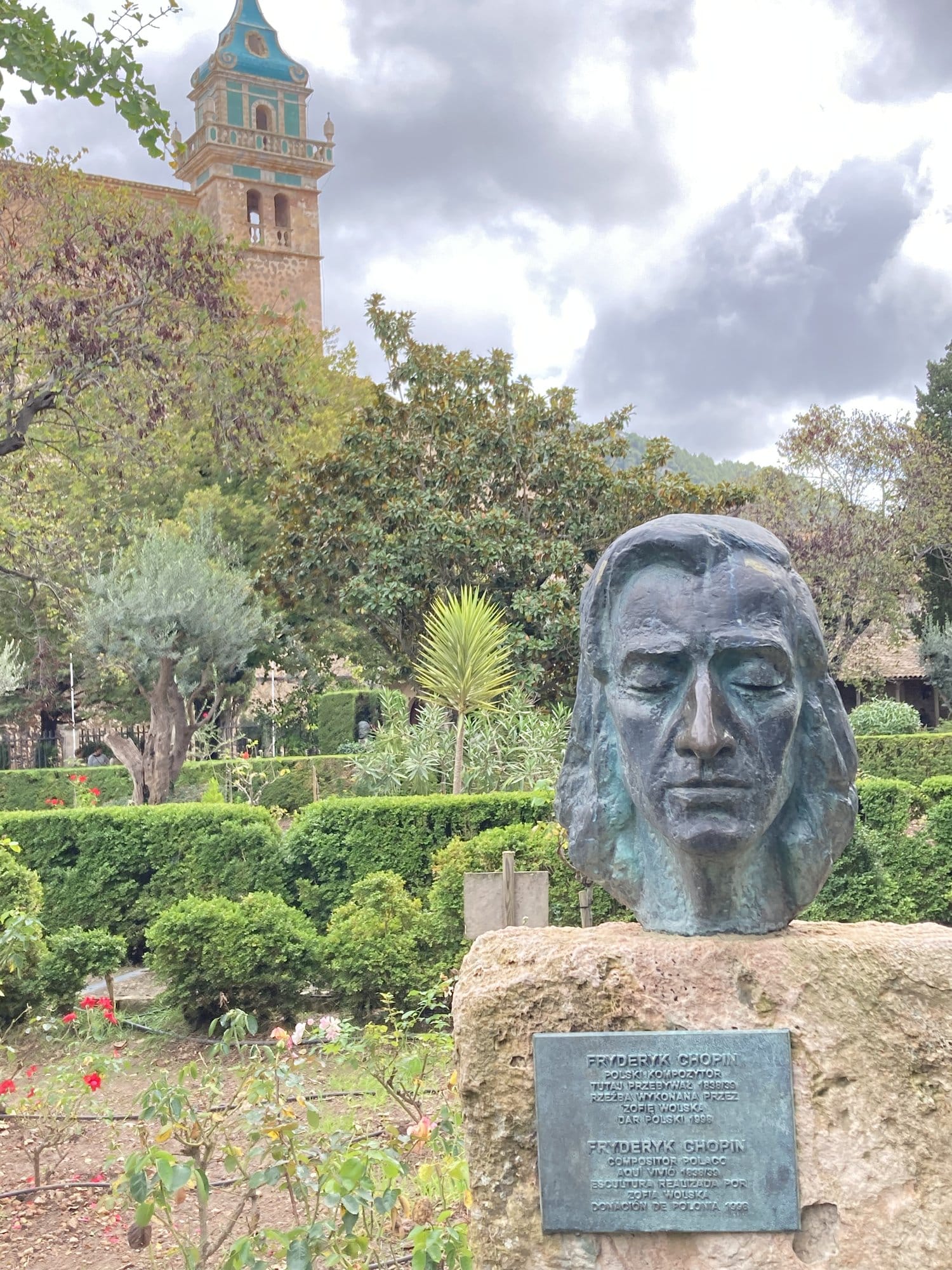
Valldemossa sits further south, commanding views across the Tramuntana foothills toward the coast. The town's primary landmark—the Real Cartuja (Carthusian monastery)—draws visitors for its history and beauty. Built in the 14th century as a royal residence before becoming a monastery, the cloistered complex preserves cells, gardens, and a pharmacy. Families with children ages 8 and up will find enough architectural interest to justify the visit; younger children may find the pace slow. The town itself charms with steep streets and village shops; a wandering afternoon satisfies more than rushing the monastery.
Jardins d'Alfàbia: Green Respite
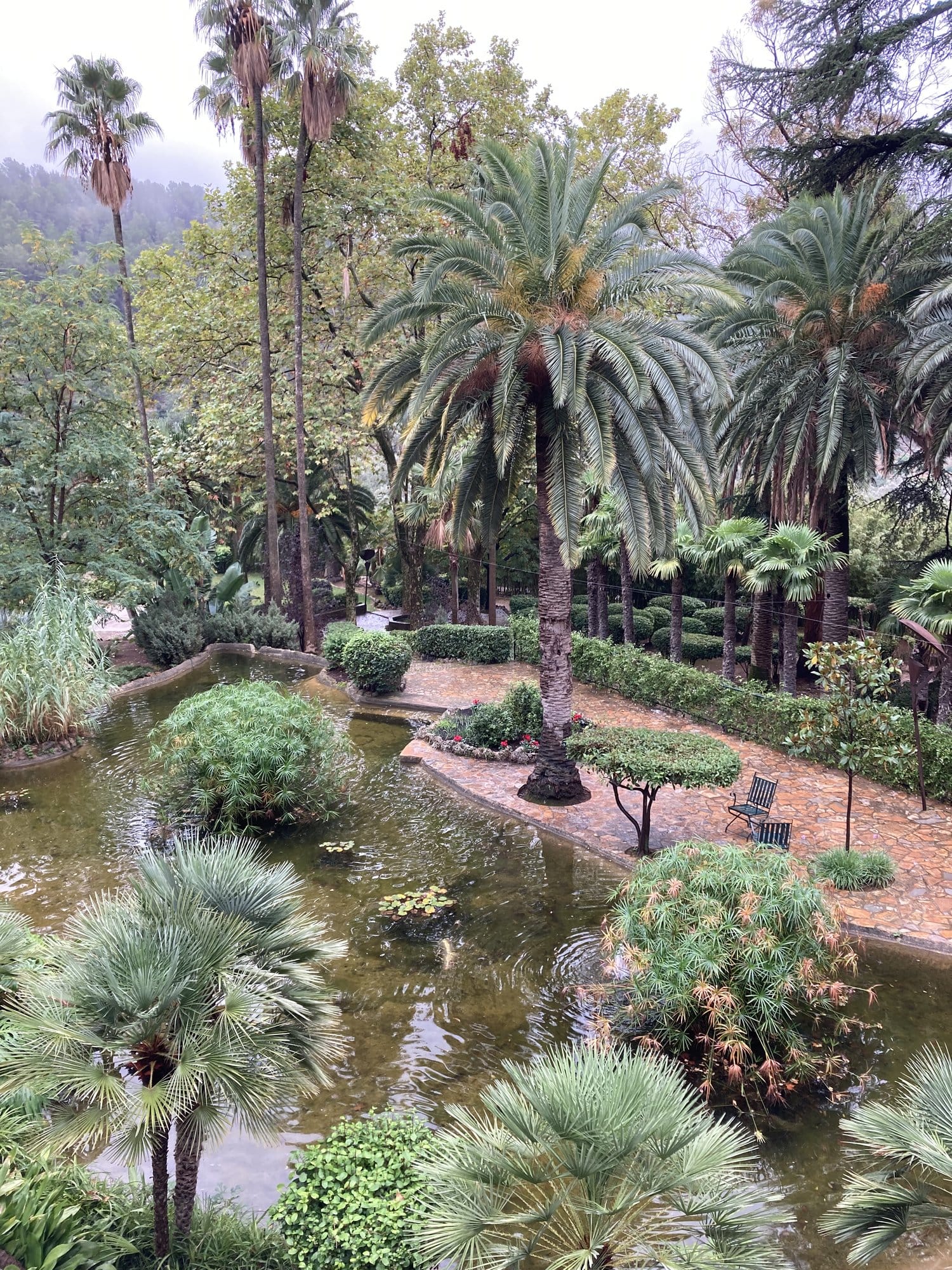
Between Sóller and Valldemossa, the Jardins d'Alfàbia offer manicured gardens, water channels, and terraced landscaping that represent Mallorca's Moorish heritage. For families, the gardens provide a landscape change without serious hiking, and the cool shade under mature trees becomes welcome after mountain driving. The accompanying manor house preserves period furnishings and artwork; combined with the gardens, a 1.5-hour visit feels complete.
Practical Information
Getting There
The Serra de Tramuntana runs closest to the coast north of Valldemossa. From Palma airport (50 km south), the drive to Pollença (north) or Valldemossa (south-central) takes 1–1.5 hours via motorway, then transitions to mountain roads. Most of the scenic driving happens on secondary roads (MA-10, MA-2130, MA-5) that wind but remain well-maintained.
Palma (PMI) is the only realistic airport for the Tramuntana road trip — the Ma-10 mountain road begins 20 minutes from arrivals, climbing through Valldemossa, Deià and Sóller. Year-round direct flights from London, Frankfurt, Paris and Madrid mean you can fly in, eat lunch in Valldemossa, and sleep in Sóller the same day.
Best Time to Visit
Spring (April–May): Almond blossoms, wildflowers, and mild temperatures. Crowds lighter than summer.
Autumn (September–October): Comfortable driving temperatures, still-warm swimming, and the returning locals signal the season's end.
Summer (June–August): Hottest and most crowded. Mountain roads can become frustratingly congested on weekends. Early morning or late afternoon driving proves more pleasant.
Winter (November–March): Possible rain and occasional snow at altitude. Roads remain passable, but weather unpredictability makes driving less pleasant.
Budget Guidance
- Accommodation: €80–150/night in village houses; €120–250+ in hotels. - Meals: €12–25 per person for lunch; €20–40+ for dinner. - Activities: Monasteries/museums €5–8 entry; most viewpoints and villages free. - Fuel: Budget €20–30 for a full day of driving if renting a car.
Traveling with Children
The winding roads suit older children (8+) better than toddlers. Plan drives with breaks—pull at scenic overlooks, stop in villages for snacks, and don't rush. Many restaurants open only for lunch (1–3 pm) and dinner (7–10 pm), which aligns well with family schedules. Beaches at Cala Sant Vicenç and Port de Sóller offer safe swimming and coastal breaks from mountain driving.
Plan Your Trip
Activities: You can take the vintage Sóller train to make the most of your visit. — Mallorca family road trip itinerary
Activities: You can explore the Tramuntana with a guided tour to make the most of your visit.
Accommodation: Use Trip.com to find accommodation in Sóller or Pollença with competitive rates and free cancellation.
Palma, Sóller or the east coast changes what your week looks like more than any hotel does — we set out the four regions in our guide to where to stay in Mallorca.
Find the best deals on accommodation:
FAQ
Q: How many days should we spend in Serra de Tramuntana?
A: Three days allows proper exploration—one day driving the northern mountains (Pollença to Sóller), one day exploring Sóller and Fornalutx, and one day on the south side (Deià, Valldemossa). A fourth day lets you revisit favorite villages or hike a marked trail.
Q: Are the roads safe for families?
A: Yes, though they demand attention. Hairpin turns, narrow sections, and occasional tourist traffic can create stress for anxious drivers. Drive slowly, use horns on blind corners, and pull over frequently. The scenery rewards caution.
Q: Can we find child-friendly accommodation?
A: Most villages offer guesthouses, apartment rentals, and family-run hotels. Sóller and Pollença have the widest selection. Book in advance during summer and Easter holidays. Smaller villages like Fornalutx and Deià offer quieter settings but fewer options.
More Mediterranean Adventures
For similar mountain and coastal exploration, consider:
- French Alps Family Road Trip — Alpine scenery and winding roads closer to home. - Portuguese Algarve Guide — Coastal cliffs and villages with similar character. - Northern Italy Road Trip — Dolomite mountains and Alpine valleys. - Best Hikes in the Dolomites — High-altitude trails and dramatic peaks. - Chamonix & Mont Blanc Family Guide — European alpine experience at scale.
The Serra de Tramuntana doesn't demand rushed tourism or aggressive sightseeing. Instead, it rewards the families willing to drive slowly, stop often, and let the landscape—the climbing vines, the stone villages, the sudden coastal views—become the point rather than the backdrop. On winding mountain roads like these, the journey genuinely exceeds any single destination.
The Serra de Tramuntana Drive — Route Tips
The classic Serra de Tramuntana drive runs from Pollença in the north to Andratx in the south — roughly 90 km of mountain road with sea views. The road is narrow in sections; if you're not confident on hairpins, focus on the southern stretch (Valldemossa to Sóller), which is the most scenic and most manageable. Go early or late in July-August: midday traffic on the Mallorca mountain roads can make the route feel less wild than it is. A regular hire car is fine; avoid motorhomes.