
What to Know Before Travelling to Xinjiang
Permits, checkpoints, hotels that can and cannot take you, altitude with children, and the context you should read before deciding — from nine days on the ground.

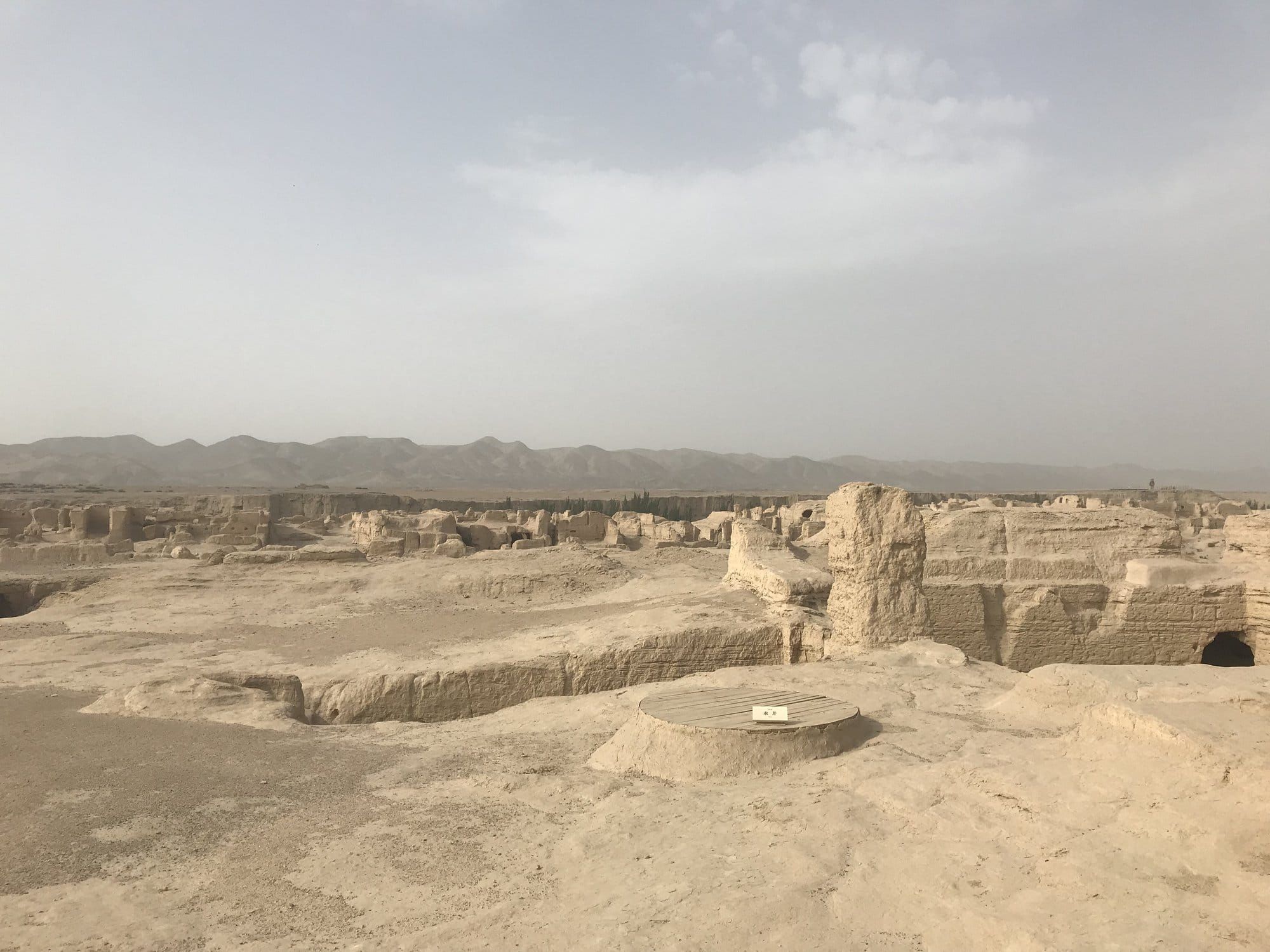
We spent nine days crossing Gansu and Xinjiang with our two children, and a guide who travelled with us every one of those days. His main job was not to explain the monuments. It was to get us through the checkpoints — there were around ten of them — without losing half a morning at each.
That sentence tells you more about the practicalities of travelling here than any list of opening hours. This piece covers what the rest of our Silk Road articles reference but do not stop to explain.
The Context, and Where to Read It
Xinjiang is the subject of documented human rights concerns. The UN Human Rights Office published an assessment of those concerns in August 2022, and it remains the most authoritative single document available to a traveller trying to inform themselves.
We are a travel site, not a research body, and we are not going to summarise a contested subject in three paragraphs and call it balanced. What we can do is point you to the sources and be honest about what we saw, which was a heavy and unmissable security presence.
- UN Human Rights Office: Assessment of human rights concerns in the Xinjiang Uyghur Autonomous Region (August 2022) - UK FCDO: China travel advice, regional risks - France Diplomatie: conseils aux voyageurs, Chine — Xinjiang is the only region of China classified under heightened vigilance
Read them, decide for yourself, and note that both governments' advice changes. Ours dates from a trip in 2019; theirs is current.
One thing we will say plainly, because it affects what you should do with your camera. Do not photograph security personnel, installations, checkpoints or anything of a military nature. This is stated in the official advice of both countries, and it is not a rule to test in order to see what happens.
Do You Need a Guide?
Not everywhere — and yes, where it counts.
Most of Xinjiang can be travelled independently. You can take trains, buses and flights, carry your passport, present a clear itinerary at registration points, and get on with it. The great majority of the region works this way.
The border areas do not. The Karakoram Highway, Karakul Lake and Tashkurgan sit inside a border zone. Access there runs through a licensed travel agency rather than an independent booking, and a laissez-passer may be required — the French foreign ministry says as much.
Here is the part that is rarely written down. Even where a guide is not required, having one changes the texture of the days. Ten checkpoints over nine days, each one a passport registration, becomes a series of short pauses rather than a series of long ones when someone with you knows the procedure and the paperwork is already correct.
What we will not tell you is how much a permit costs or how long it takes. Every figure we could give you is from 2019, and the rules change without notice. Ask a licensed agency a few weeks before you travel and ask them again a few days before.
Checkpoints, and What They Are Like
Expect them at city entrances, railway stations and on the highways between towns. Expect airport-style screening — bag scanners, ID checks — at markets, shopping centres and parks.
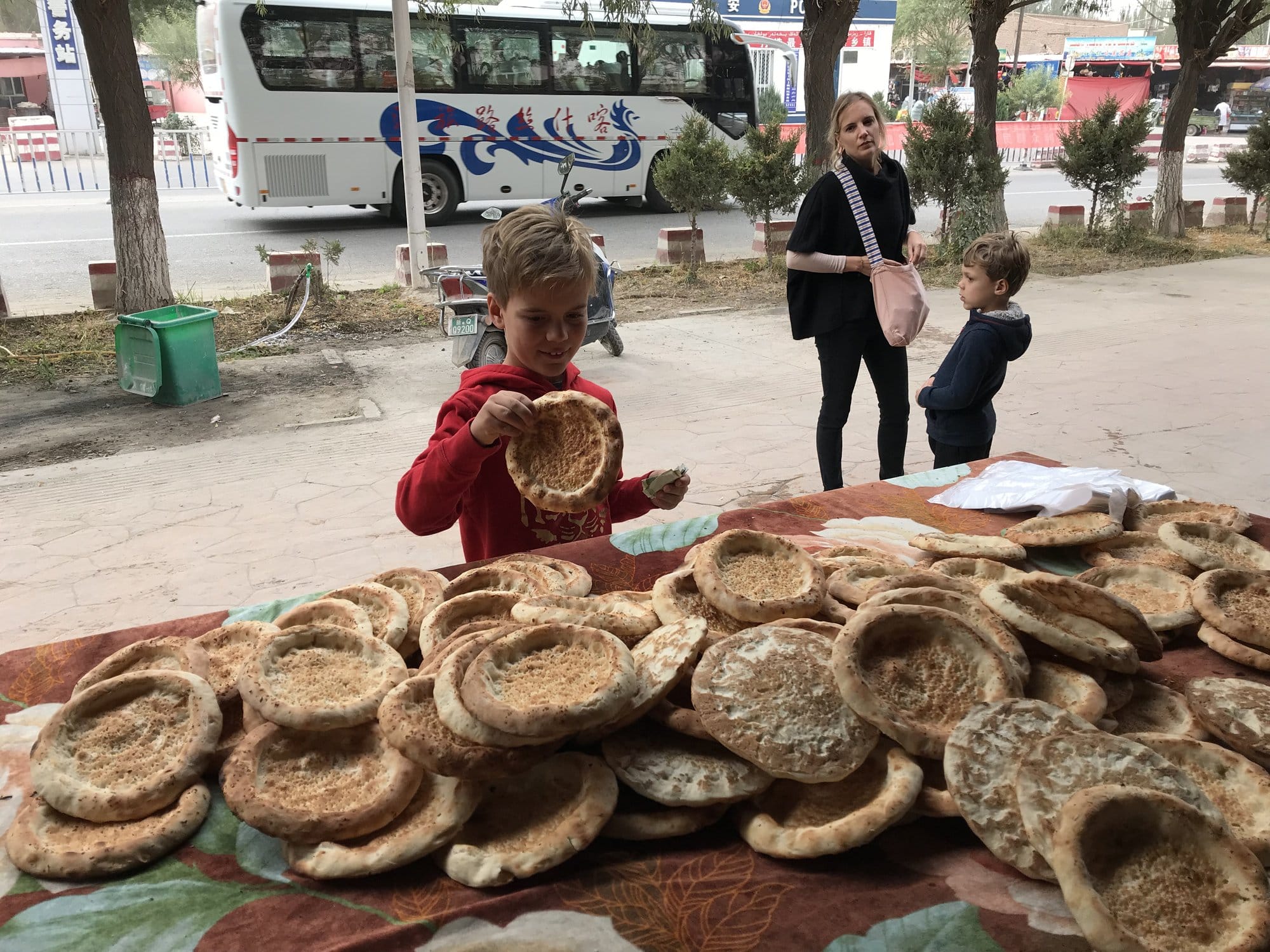
Practically:
- Carry your passport every hour of every day. Not in the hotel safe. On you. - Children are registered too. Ours were, every time. - Build slack into the driving days. The Karakoram Highway stage is not a three-hour drive with three hours of driving in it. - Be patient and unremarkable. This is not the place for the joke you would make at a European border.
None of this was frightening. It was procedural, repetitive, and a constant reminder of where we were.
Where You Can Stay
This is the practical detail that surprises people most: not every hotel is permitted to accept foreign guests. France Diplomatie states it directly — only some establishments hold the authorisation.
In practice this means you cannot book by price and location alone, and a place that looks perfect may simply turn you away at the desk. It is the single strongest argument for letting an agency handle accommodation, even if you would normally never do so.
Connectivity, Money and Language
Mobile payment is the default. Cash is accepted but increasingly unusual, and foreign cards are awkward. Set up whatever payment app you are going to use before you arrive, or on your first day with help, rather than discovering the problem at a market stall.
Connectivity is restricted. Plan for the services you use at home to be unavailable and arrange your navigation, translation and offline maps before you fly. Download offline language packs — Google Translate's online service does not work in mainland China, though the offline pack does if you download it first.
Language. Mandarin and Uyghur are both in use, and signage is often bilingual. English is rare outside hotels.
Travelling with Children
We did this trip with two boys, and it worked better than we expected. What helped:
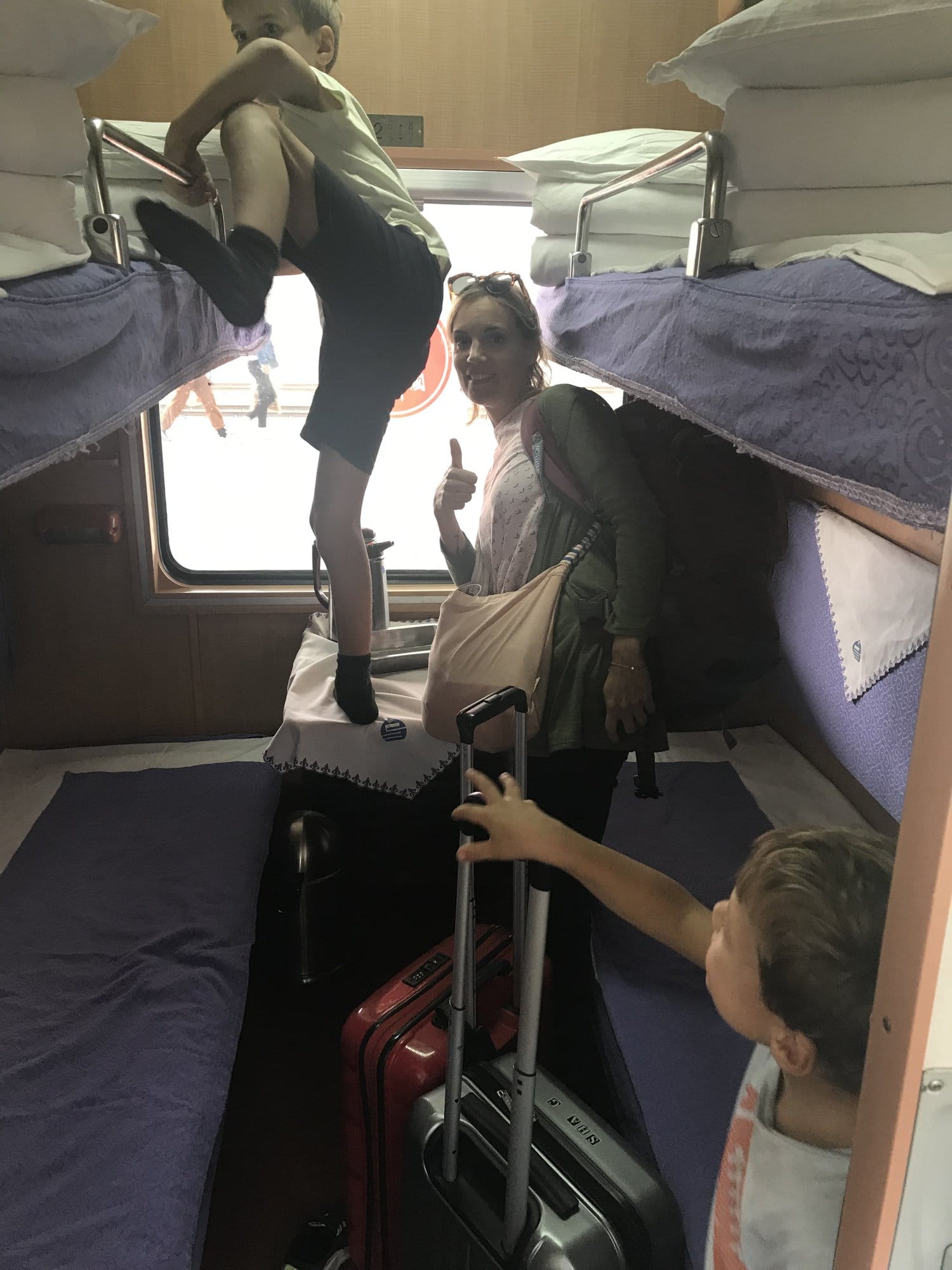
The overnight train. The 1,400 kilometres between Turpan and Kashgar is the longest leg of the whole route, and a sleeper compartment turns it into the easiest one. Children who would revolt at a fourteen-hour drive treat a night train as an adventure.
Sites that are outdoors and physical. Dunes to climb, camels to ride, a ruined earth city to walk through, a natural arch to scramble up to. There is very little standing quietly in front of a display case on this itinerary.
The food. Uyghur cooking is grilled meat, hand-pulled noodles, flatbread and fruit, which is an easy sell. It can also surprise you. We ate what we assumed was polenta on several occasions — pale, dense, pleasant — and enjoyed it thoroughly until our guide mentioned it was goat lung. It is a real dish, lung stuffed with a flour paste and boiled, and the resemblance is genuine. The children, told afterwards, were delighted.
Altitude. The Karakoram Highway goes from 1,300 metres to 3,650 in a morning. That is a fast gain, and the preceding days at low altitude count for nothing. Plan the first afternoon at Karakul as a slow one — sitting by the lake, not walking up anything. Seek medical advice before you travel if anyone in your group has a heart or lung condition.
Photography
Beyond the rule about security installations, one further point of judgement.
Foreign visitors are not the ones who bear the consequences of a photograph in this region. We came home with portraits of people who were generous to us — a stallholder, a cook at a roadside brazier, children on a village street — and we have chosen not to publish them. We cannot ask those people, seven years on, whether they would want their faces on a travel site, and the cost of being wrong is theirs, not ours.
You may decide differently. Decide it deliberately rather than by default.
When to Go
September and October are excellent, with one caveat: 1–7 October is the National Day holiday, the single busiest travel week in China. We were in Kashgar on 2 October, which explains the flags in our photographs — the city was dressed for the seventieth anniversary of the People's Republic, not for an ordinary Wednesday.
May and June are the other window. July and August make Turpan one of the hottest inhabited places on earth. Winter closes the high sections of the Karakoram Highway.
The Short Version
Independent travel works across most of Xinjiang; the mountains require an agency. Carry your passport constantly, expect around ten checkpoints on a nine-day route, do not assume a hotel can take you, and do not photograph anything official. Read the OHCHR assessment and your own government's advice, and make the decision knowingly.
And if it looks like polenta, ask first.
Frequently Asked Questions
Can foreigners travel to Xinjiang independently?
Most of Xinjiang can be travelled independently with a Chinese visa, using trains, buses and flights, provided you carry your passport at all times and can present a clear itinerary at registration points. Border areas including the Karakoram Highway, Karakul Lake and Tashkurgan are the exception: access there runs through a licensed travel agency and may require a laissez-passer.
How many checkpoints are there in Xinjiang?
There is no fixed number, and it depends entirely on your route. On a nine-day itinerary from Dunhuang to Tashkurgan and back to Kashgar we passed around ten, at city entrances, stations and on the highways, plus airport-style screening at markets and shopping centres. Each involves passport registration for every member of the party, children included.
Can foreigners stay in any hotel in Xinjiang?
No. Only some establishments hold the authorisation to accept foreign guests, a restriction stated explicitly in French government travel advice. A hotel that looks suitable online may decline you at reception, which is the strongest practical reason to book accommodation through a licensed agency.
Is it safe to take photographs in Xinjiang?
Ordinary tourist photography of landscapes, monuments and markets is normal. Do not photograph or film security personnel, checkpoints, installations, anything military, protests or large crowds — both UK and French official travel advice state this directly. Photographs of identifiable local people raise a separate question of consequences for the person photographed rather than for you.
Do you need to worry about altitude in Xinjiang?
On most of the region, no. The Karakoram Highway is the exception: it climbs from about 1,300 metres at Kashgar to 3,650 metres at Karakul Lake in a single morning's drive, and days spent beforehand in Turpan or Kashgar provide no acclimatisation. Plan a restful first afternoon at altitude and seek medical advice in advance if anyone has a heart or lung condition.
What is the best month to visit Xinjiang?
May, June, September and October. July and August are extremely hot, particularly in the Turpan depression, and winter closes the high sections of the Karakoram Highway. Avoid 1 to 7 October, the National Day holiday, when domestic travel peaks across the country.
More to Explore
- Silk Road China: A 9-Day Itinerary from Dunhuang to the Pamirs - The Karakoram Highway: Ghez canyon, Karakul and Tashkurgan - Kashgar: old town, bazaars and the Sunday livestock market - Yunnan Itinerary: 11 Days from the Rice Terraces to Shangri-La - 17 Days in Bali and Java with Kids: Our Honest Family Itinerary