
Things to Do in Palma de Mallorca: Cathedral, Art & Sunsets
Palma de Mallorca rewards those who slow down to explore — from the soaring Gothic arches of La Seu cathedral to the vibrant street art tucked into its old town alleyways.


Palma de Mallorca is one of Spain's most underestimated cities. While most visitors rush through the capital to catch flights or boats to quieter islands, the city itself deserves at least two or three days of unhurried exploration. Beyond the glitzy waterfront resorts and cruise ship terminals lies a city layered with centuries of history, contemporary art, hidden courtyards, and some of the most dramatic sunset views in the Mediterranean.
Whether traveling with kids, couples seeking romance, or solo adventurers looking for substance, Palma rewards curiosity. This guide covers the essential landmarks, the neighborhoods worth wandering, and the views that stay with you long after you've left.
A Note on Affiliate Links
This article contains affiliate links to booking platforms and tour operators. When you book through these links, we earn a small commission at no extra cost to you. These partnerships help us continue creating detailed, honest travel guides. We only recommend services and platforms we'd use ourselves.
La Seu Cathedral: Gothic Drama Meets Mediterranean Light
La Seu — officially the Cathedral of Santa María — is Palma's most iconic landmark, and rightfully so. This Gothic masterpiece sits dramatically on the waterfront, its honey-colored stone rising against the blue of the Mediterranean like a centuries-old prayer carved in limestone.
The cathedral's history spans centuries. Construction began in 1229, just after the Christian conquest of Mallorca from the Moors, and wasn't completed until 1601. What you see today, however, is a fascinating hybrid: medieval Gothic architecture transformed by one of Spain's most visionary modern architects, Antoni Gaudí.
The Exterior: Waterside Drama
Approach La Seu from the waterfront promenade. The view is unmistakable — a massive façade of buttresses, rose windows, and flying arches that seem to hold the building skyward through sheer determination. The cathedral's three naves are visible from the exterior in the stepped silhouette of the roof. What's remarkable is the placement: most cathedrals sit in town centers, but La Seu juts into the sea, making it visible from nearly every approach to the city.
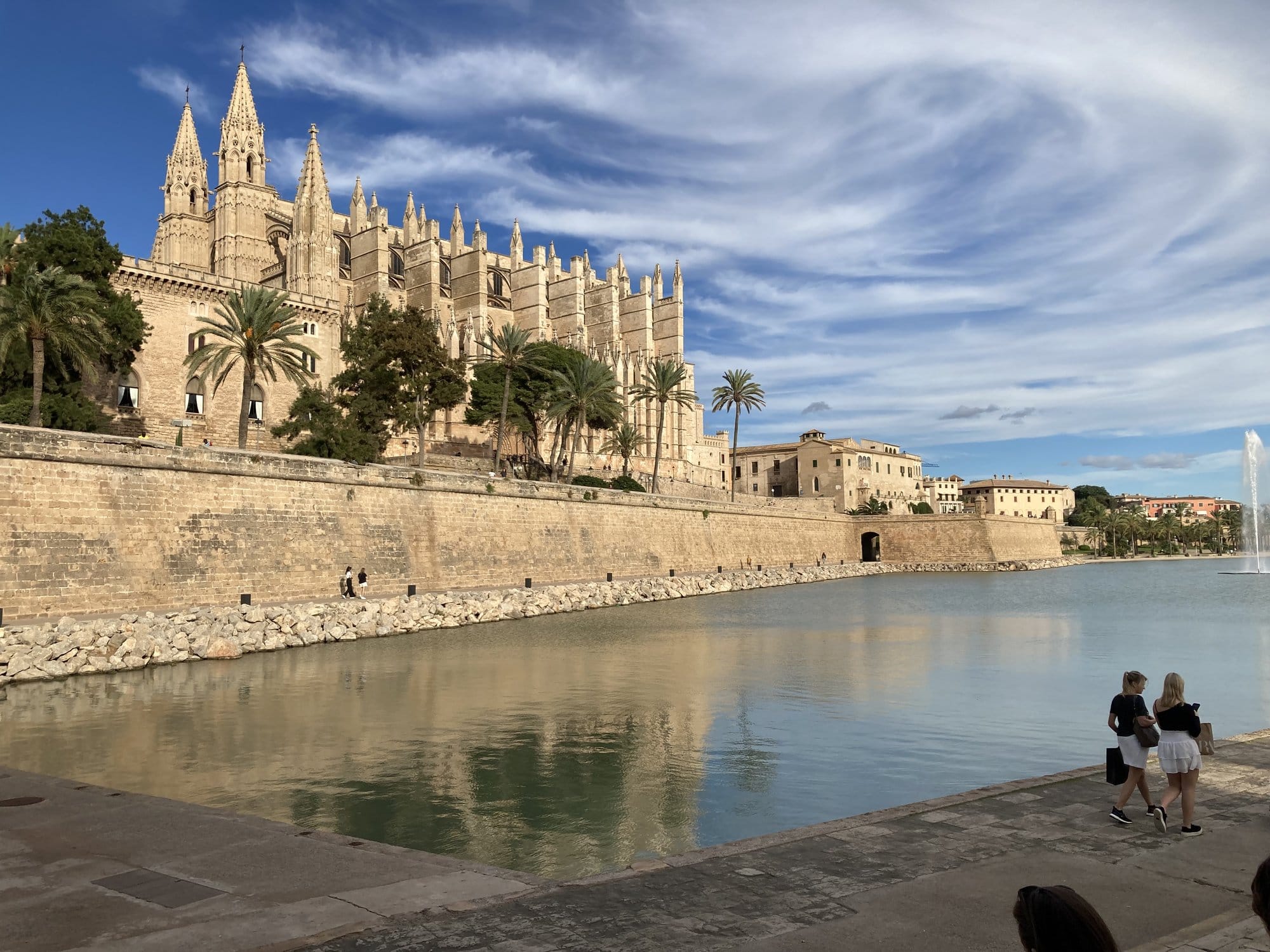
The exterior walls tell stories of medieval craftsmanship. Look closely at the stone — you'll see variations in color and weathering that speak to different periods of construction. The rose windows, intricate and geometric, are particularly stunning at sunset when the low light turns them molten gold.
Inside: Gaudí's Daring Renovation
The interior is where La Seu becomes truly extraordinary. In 1901, the cathedral underwent a radical restoration overseen by Antoni Gaudí, the visionary architect behind Barcelona's Sagrada Familia. Rather than simply restoring the medieval interior, Gaudí reimagined it.
He relocated the choir from the center of the nave to a side chapel, opening up the central space and creating a sense of soaring height that hadn't been possible before. He designed a baldachin — an ornate canopy — over the altar that seems to float impossibly in space, held up by a network of iron support rods disguised as organic forms. The result is a space that feels both ancient and impossibly modern, medieval and avant-garde simultaneously.
Light floods through the rose windows, creating constantly shifting patterns on the floor and walls. The colored light at sunset is particularly magical. Inside, the stone vaults rise 44 meters overhead, creating an almost overwhelming sense of vertical drama.
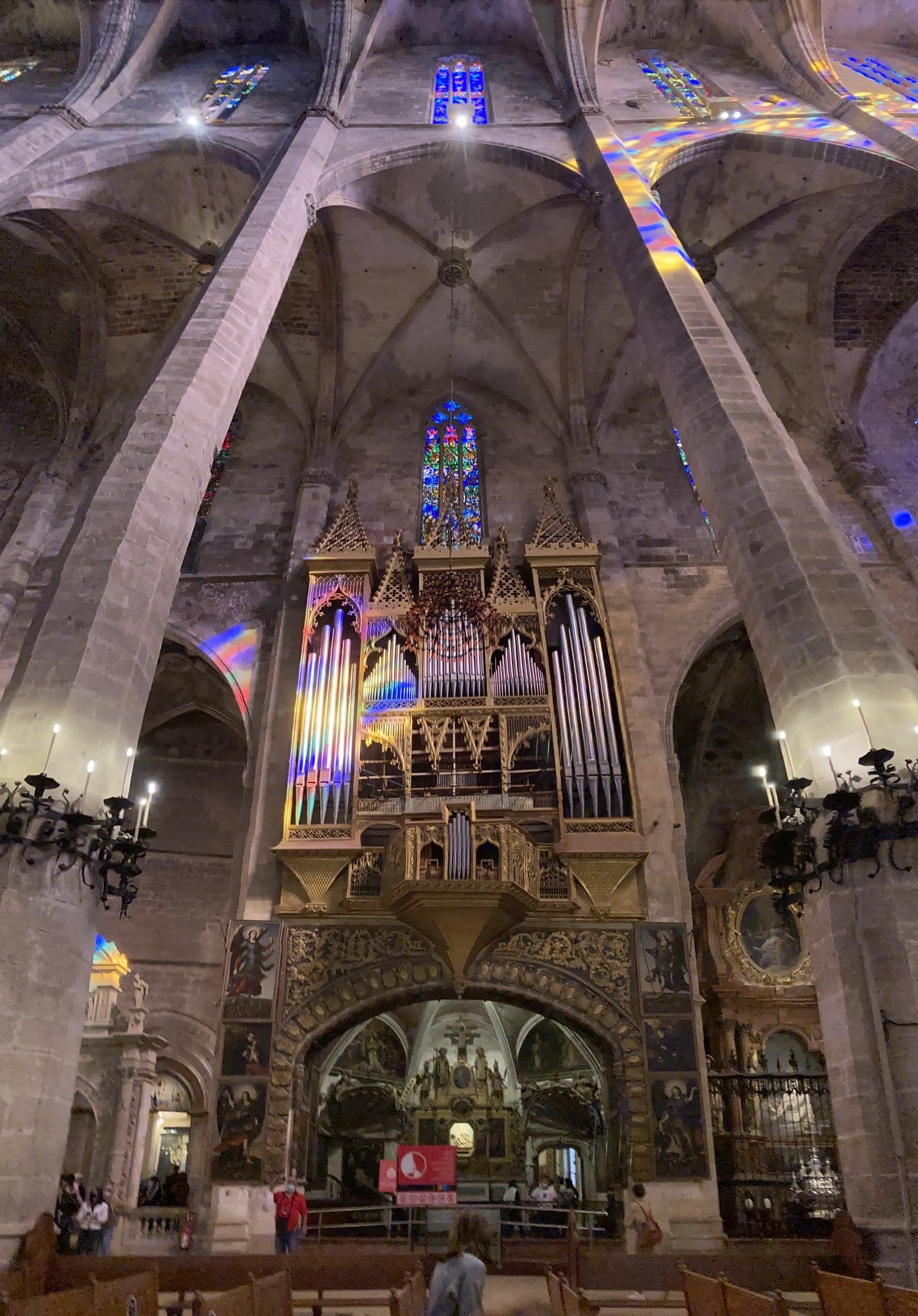
Admission costs around €13 for adults, with discounts for families. Visiting early morning or late afternoon offers fewer crowds and better light for photography. Allow at least an hour for a thorough visit; two hours is better if you want to sit quietly and absorb the atmosphere.
The Old Town: Courtyards, Narrow Streets & Time-Worn Charm
Beyond La Seu, Palma's medieval old town spreads inland in a maze of narrow streets, sudden plazas, and hidden courtyards. This is where the real Palma lives — where locals shop, eat, and move through centuries-old architecture as unremarkably as you'd navigate a modern street.
The street pattern follows Islamic roots (Palma was under Moorish control for 300 years) and hasn't substantially changed since the Middle Ages. The streets curve illogically by modern standards, creating constant visual surprises as you turn corners. A dingy passageway opens onto a plaza with a Renaissance palace. A narrow alley reveals a hidden courtyard dripping with bougainvillea and ivy.
Key Neighborhoods to Explore
Around the Cathedral: Start at Plaça de la Seu and explore the narrow streets radiating outward. The Paseo Marítimo (waterfront promenade) runs below the cathedral, offering cafés and views back toward La Seu.
Plaza Mayor: This grand Renaissance square sits a few blocks inland and serves as a social hub for locals. It's ringed with arcaded buildings and surrounded by restaurants and shops. It's also refreshingly touristy compared to surrounding areas, which means it's easier to find good value meals here than in more obviously "charming" spots.
Barrio Antiguo (The Old Quarter): This is the residential heart of medieval Palma. Narrow streets like Carrer de Can Santacilia and Carrer de la Unió wind between buildings that lean slightly inward, their balconies nearly close enough to touch across the street. It's quiet, genuinely local, and easy to get lost — which is exactly the point.
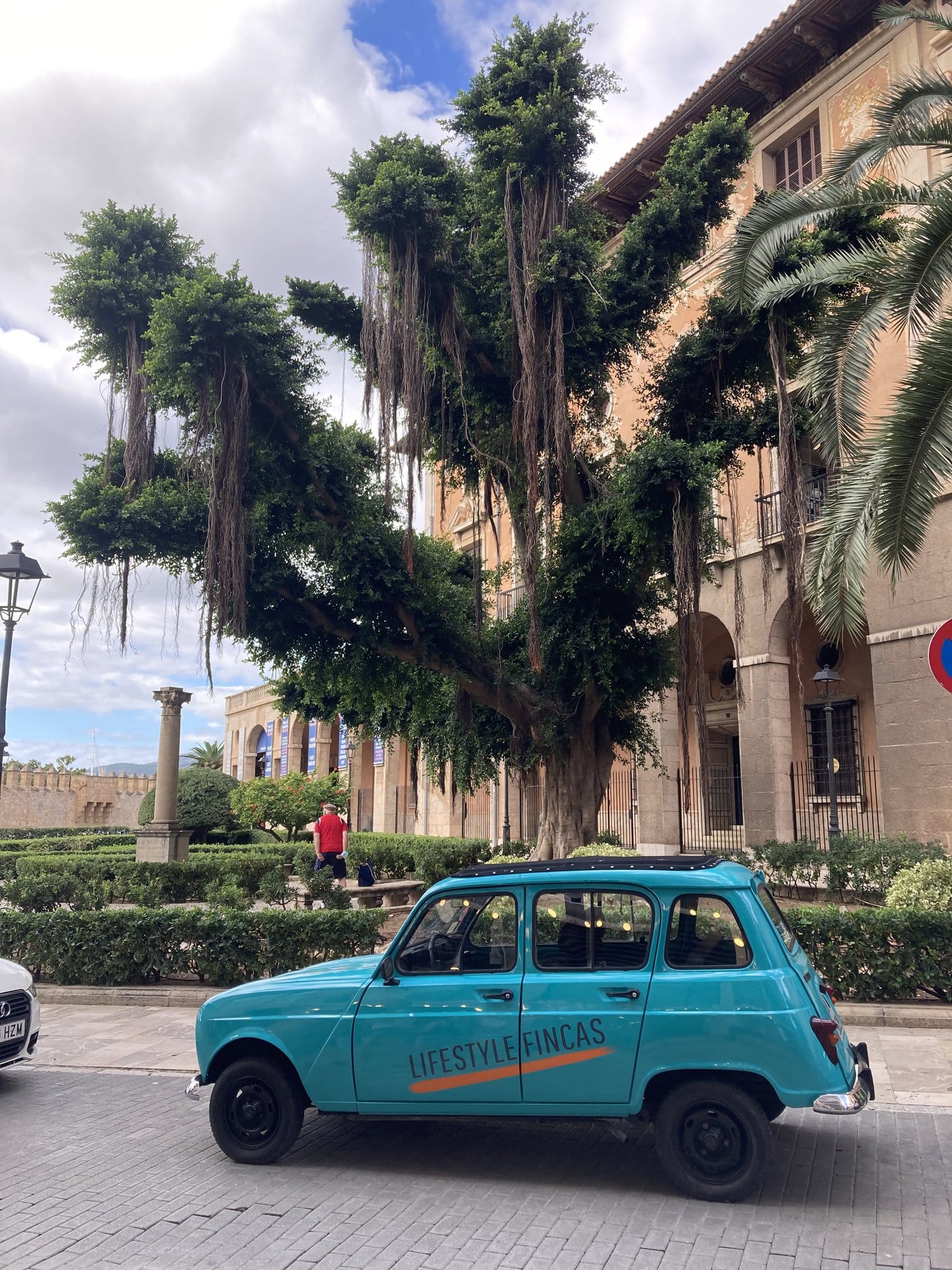
Palaces and Hidden Courtyards
Several grand palaces and mansions are open to the public. The Palacio de la Almudaina, originally a Moorish fortress and later a royal residence, sits adjacent to the cathedral. Inside are medieval halls, Renaissance frescoes, and courtyards that speak to the building's layered past.
More intimate are the private courtyards (called "patios") that open off the street. Many are accessible if you slip through open doors — locals rarely mind if you're respectful and quiet. These courtyards are microcosms of Mediterranean design: central fountains, plants in pots, narrow arcades providing shade, and the sound of water echoing off stone. Some feature loggia (open galleries) with intricate wooden railings and carved corbels.
Street Art: The Modern Pulse of Old Palma
While La Seu represents Palma's medieval past, its street art scene reveals a vibrant contemporary city. Over the last 15 years, Palma has embraced muralism and public art, with local and international artists transforming blank walls into galleries.
The street art isn't confined to one district — it appears throughout the old town, but concentrations exist in areas like the neighborhoods around Carrer de la Unió and Carrer Fábrica. Unlike street art in some cities, Palma's work feels integrated into the environment rather than imposed on it.
Notable Works to Find
One recurring figure is a stylized acrobatic form — a human body twisted into geometric shapes — that appears in multiple locations. The style is instantly recognizable once you start noticing it.
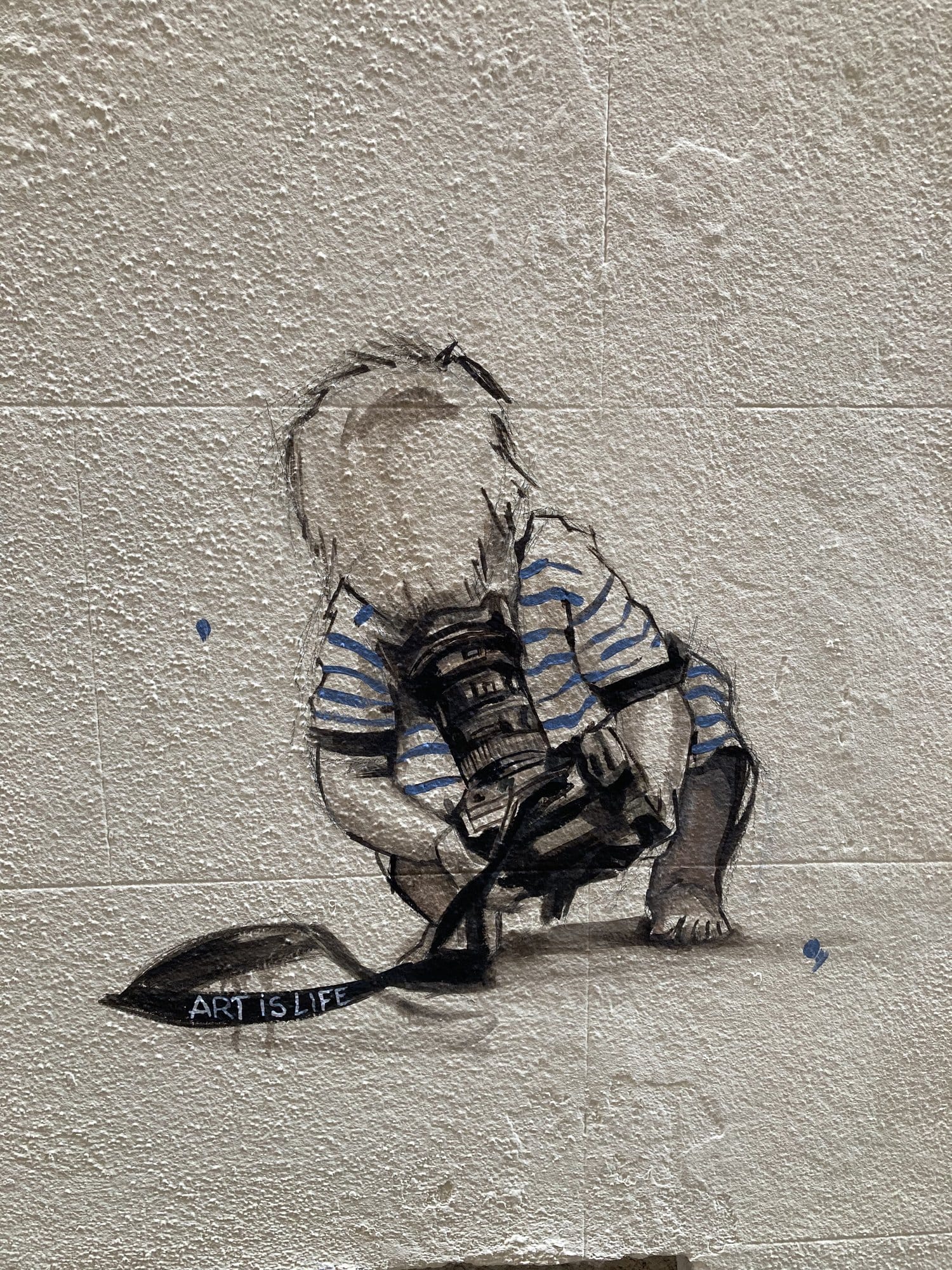
Another striking piece features David Bowie in profile, rendered in bold lines and muted colors, tucked into a narrow passageway. Finding it feels like discovering a small secret, which is likely the intention.
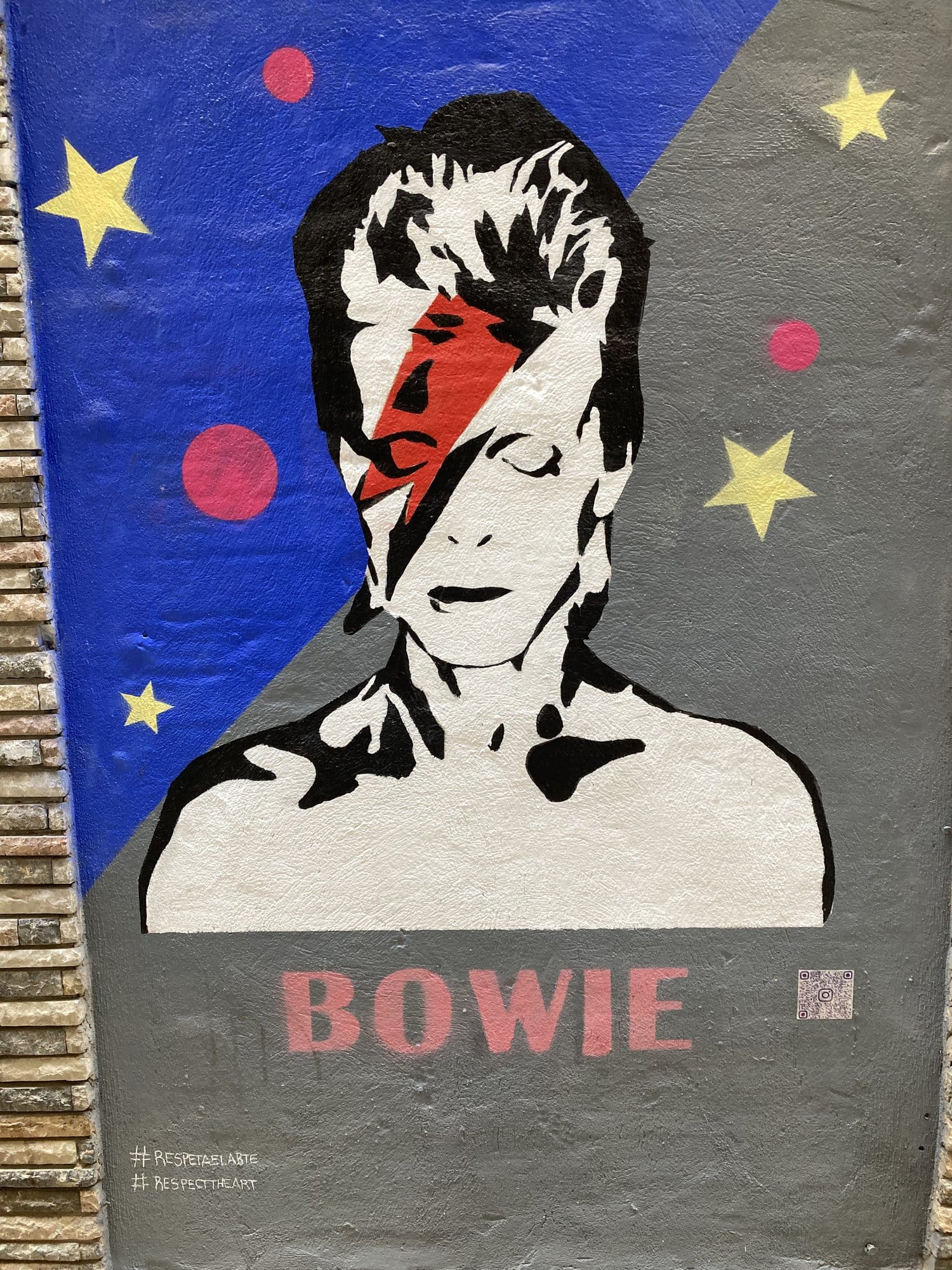
Beyond individual masterpieces, the neighborhood walls themselves become part of a larger art ecosystem. Layers of older tags and newer work create an evolving conversation. Some pieces are bold and graphic; others are delicate and detailed. The variety suggests that Palma's art community is diverse and actively engaged.
Artist Studios & Creative Spaces
Several artist studios are accessible in the old town, particularly in the Barrio Antiguo. These aren't always obviously marked, but locals can point you toward working studios where artists are often willing to chat about their practice and sometimes have work for sale. This is where you'll find genuine interaction rather than curated tourism.
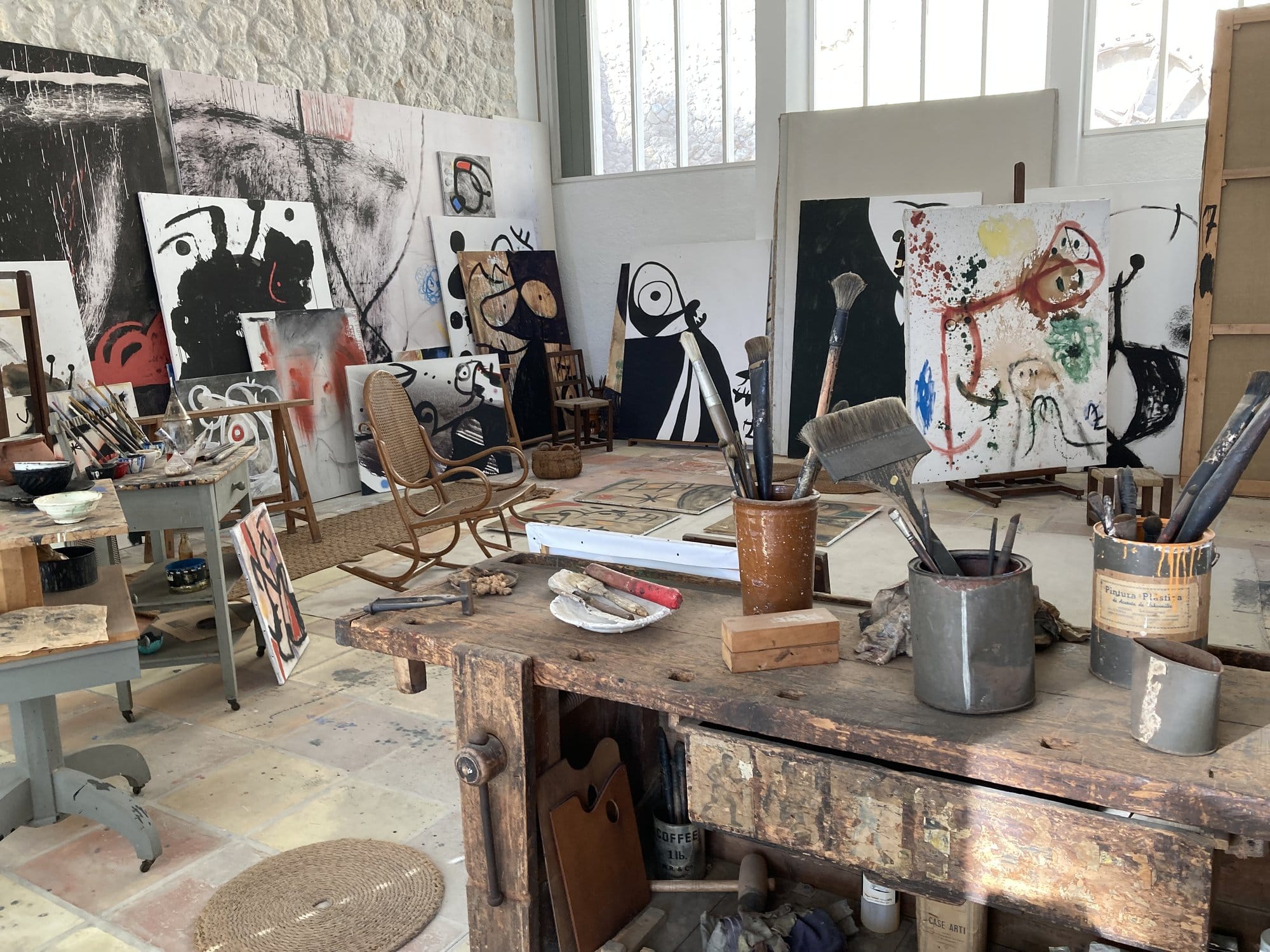
Modern Palma: Architecture Worth Seeking
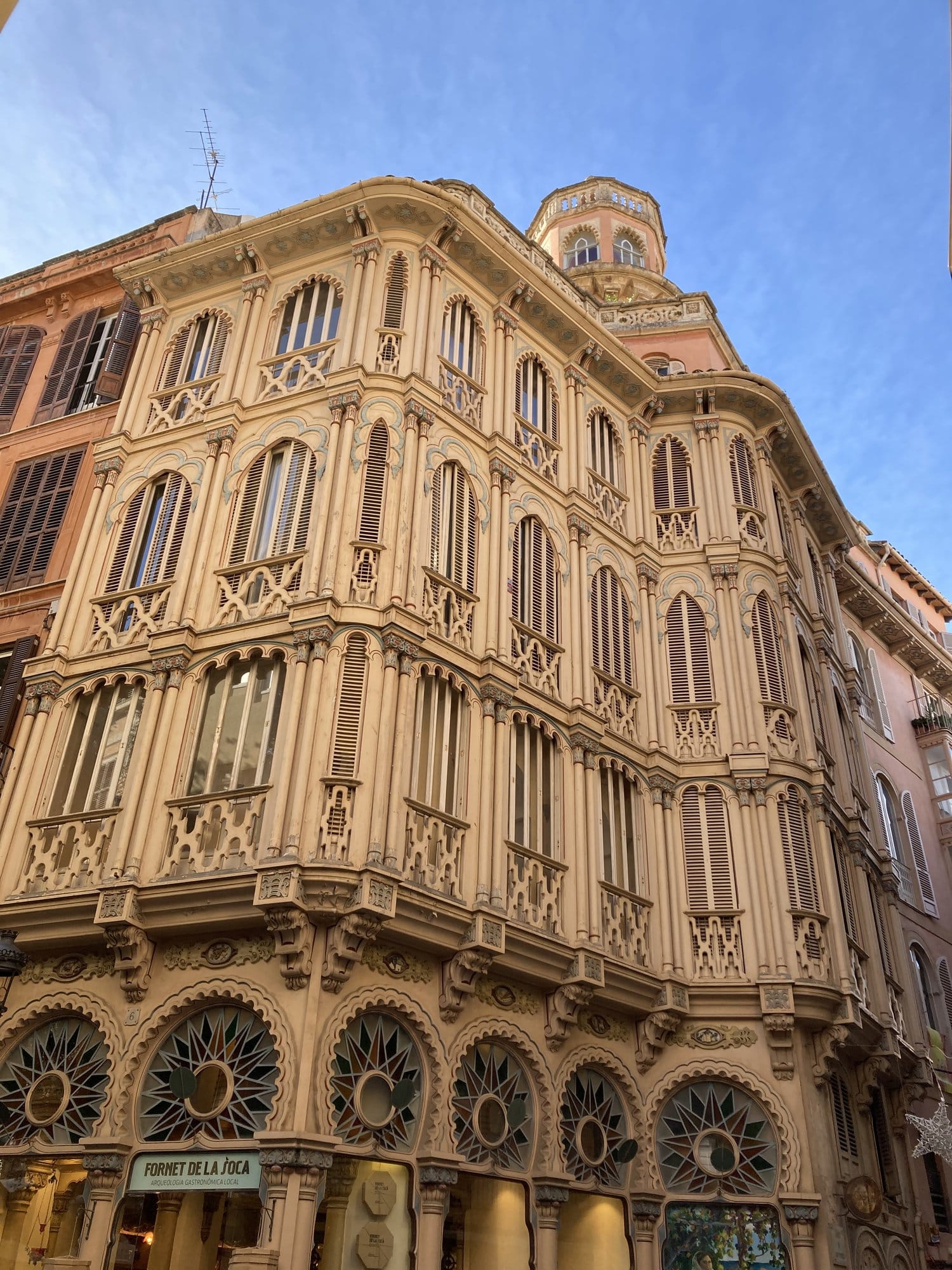
Palma isn't entirely medieval and contemporary-mural. A layer of late 19th and early 20th-century architecture reveals a city that has always been cosmopolitan and aspirational.
The Paseo Marítimo and the neighborhoods around it feature Belle Époque villas, Art Deco apartment buildings, and modernist structures that speak to Palma's growth as a tourist destination and commercial port. Many of these buildings are elegantly decayed, their facades showing their age but maintaining their dignity.
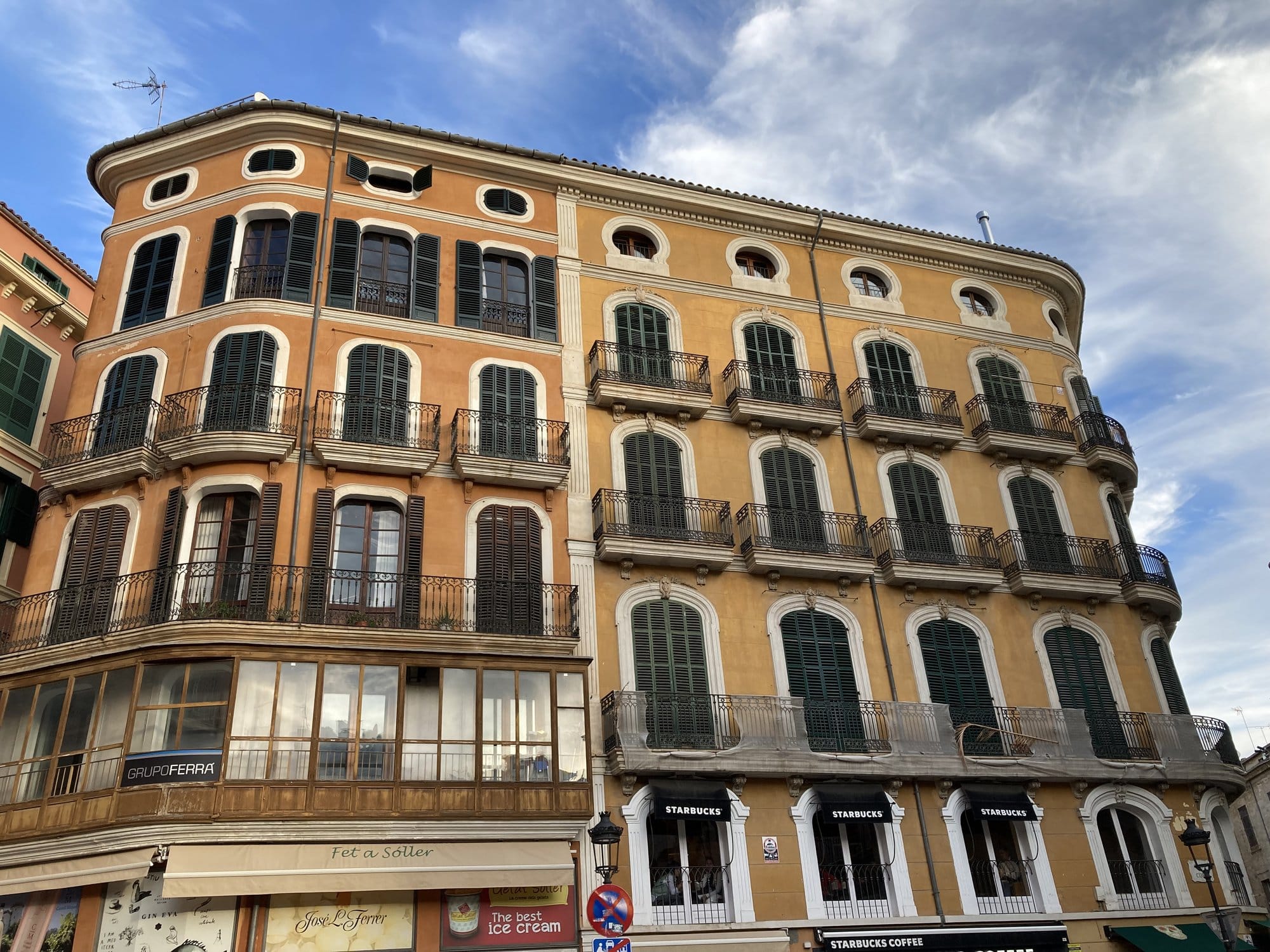
The architectural eclecticism — Renaissance palaces next to modernist shops next to medieval church walls — creates a visual dynamism that rewards slow walking and observation.
Beach Sunsets: Where Light Becomes Everything
Palma has beaches, though they're not the primary draw. Playa de Palma, the main city beach, is functional rather than stunning — popular with families and tourists, crowded in season, flanked by hotels.
But what Palma offers that few Mediterranean cities match is sunsets. The geography puts the sea to the west of the old town, meaning the sun descends directly over the water, illuminating the cathedral's silhouette and turning the sky an almost implausible range of pinks, oranges, and purples.
The best vantage points are:
- Paseo Marítimo: The promenade below the cathedral is crowded but for good reason. The view of La Seu backlit by the sunset is iconic. - Waterfront rocks east of the cathedral: Slightly less crowded, with good photo angles and quieter atmosphere. - Nearby lighthouse areas: A short walk yields dramatic compositions of rocky foreground and vast sky.
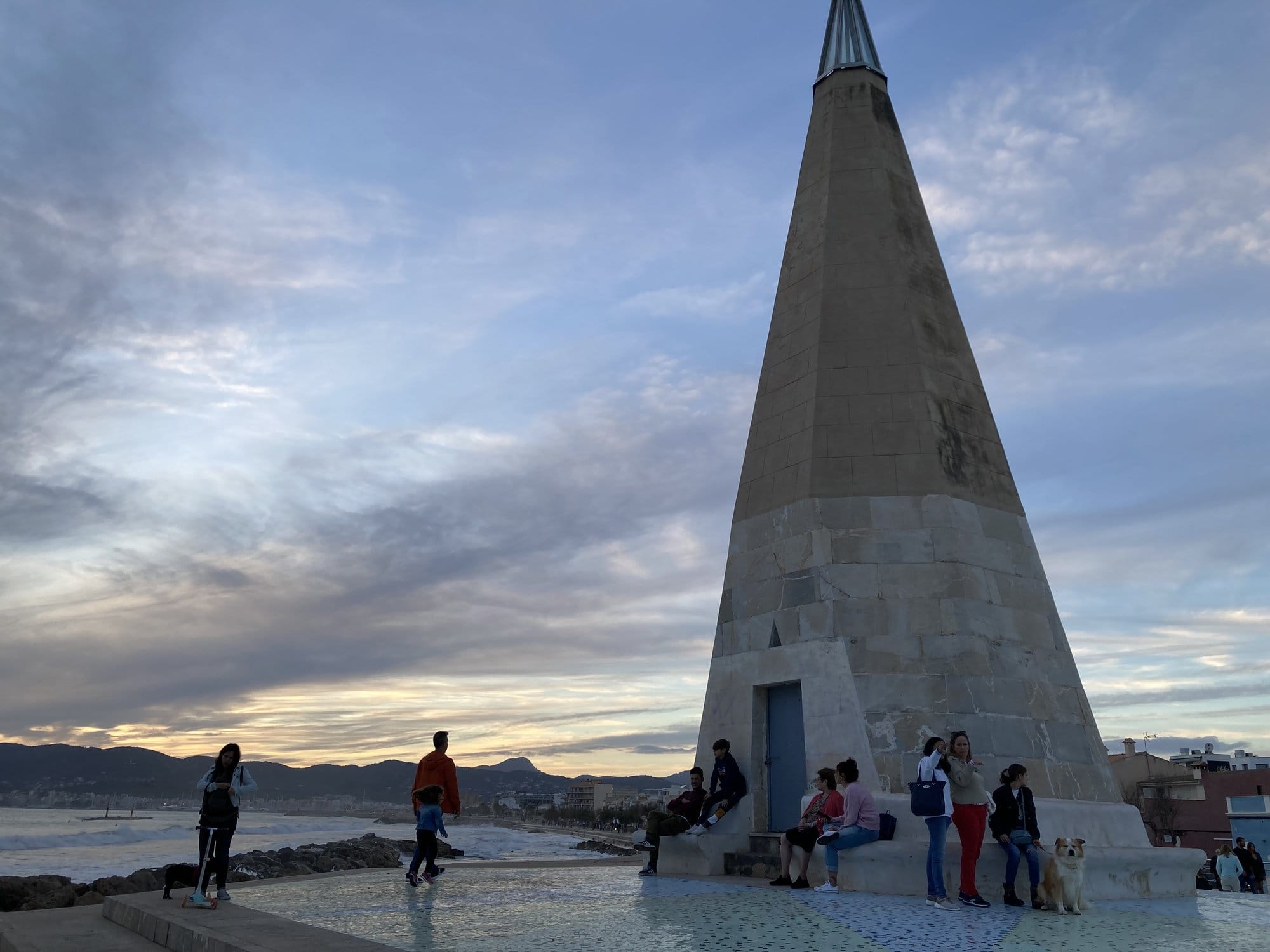
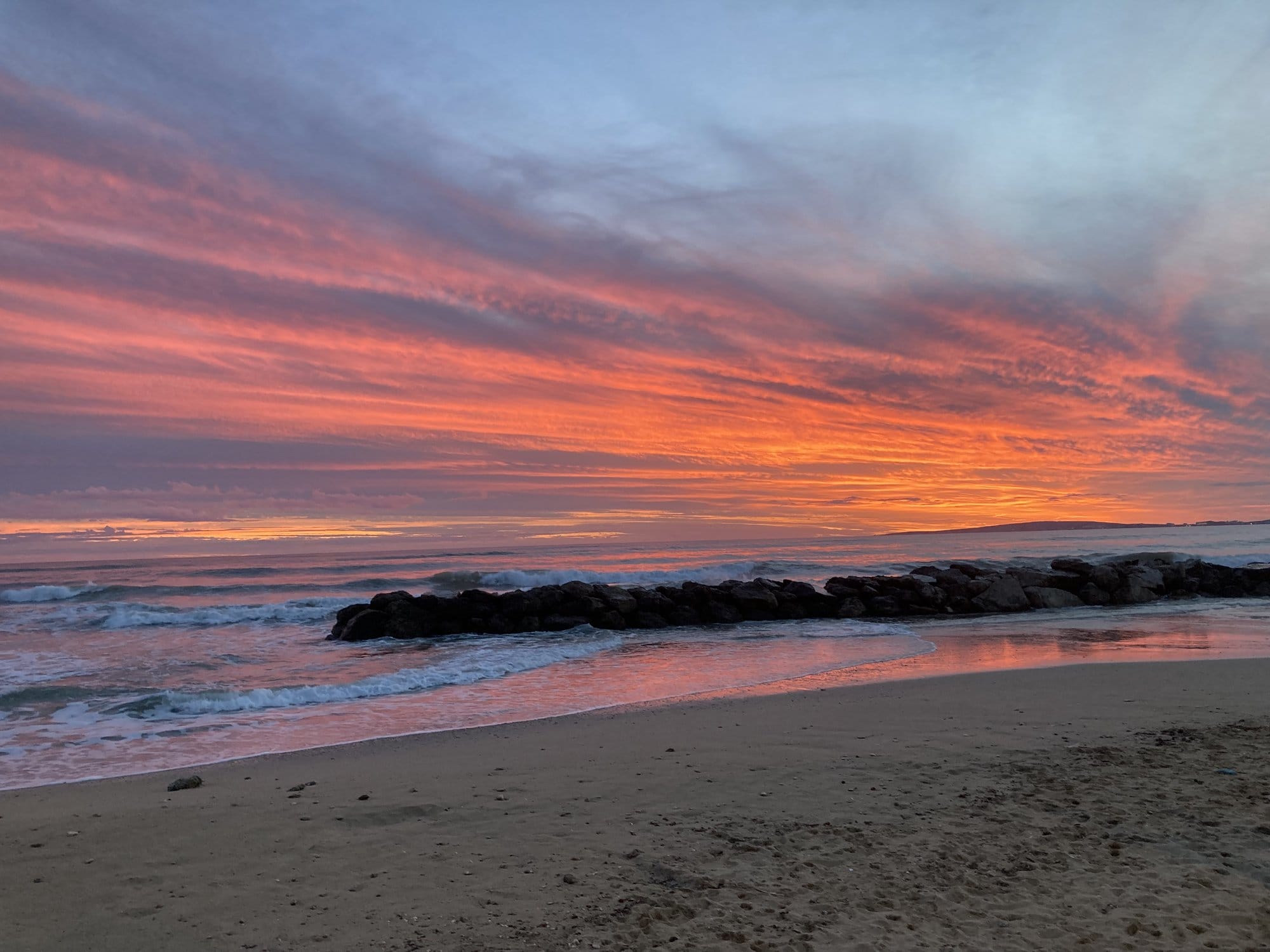
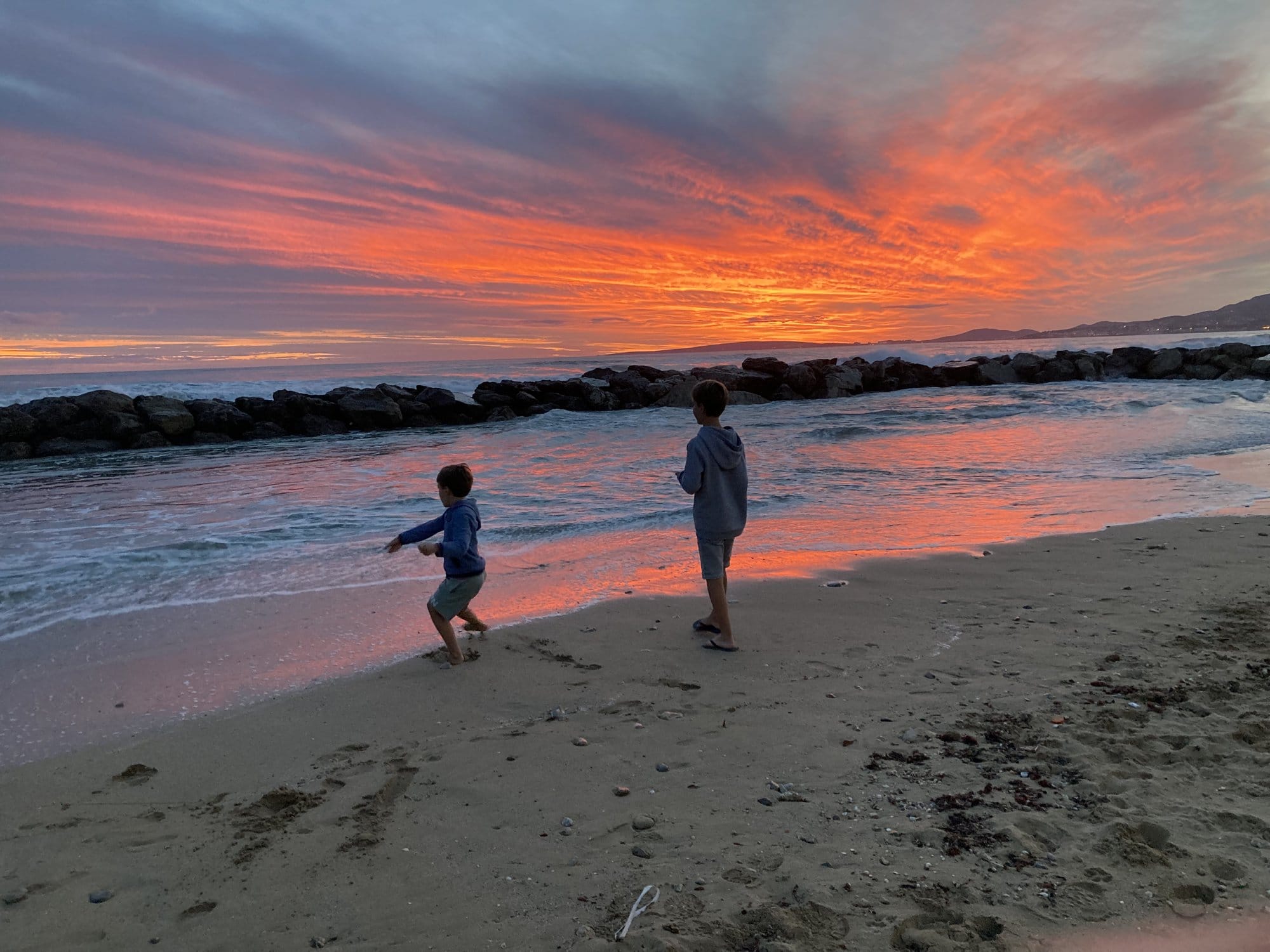
Sunset timing varies seasonally. In November (a good travel month), expect the sun to touch the horizon around 5:15-5:30 PM. Arrive 30-45 minutes early to secure a spot and experience the progression of colors.
Practical Information
Getting There
Most international visitors fly into Palma's airport, which is about 8 km east of the city center. Public buses, taxis, and rental cars connect the airport to the city. The journey is 20-30 minutes depending on traffic. — Mallorca family road trip beyond Palma
Palma airport (PMI) is 8 km east of the city — public bus 1 reaches the cathedral in 20 minutes, taxis around 10. PMI is one of the best-connected airports in the western Mediterranean; whether you're flying in from London, Berlin, Paris or Madrid, year-round daily direct flights are standard.
Getting Around
Palma is walkable, particularly the old town. The city center can be covered on foot in a day. Public buses serve the outer neighborhoods. Scooter rentals are popular among visitors but require confidence navigating narrow streets and local traffic patterns.
Where to Stay
The old town offers atmosphere but can be loud, particularly near bars and restaurants. The Paseo Marítimo area provides proximity to the cathedral and waterfront with more modern facilities. Quieter neighborhoods like Barrio Antiguo are excellent for those seeking local ambiance.
Families with kids find the quieter streets safer and more relaxed for evening walks than busier tourist zones.
When to Visit
Late autumn (October-November) and spring (April-May) offer warm weather without summer crowds. November provides warm days, reliable sunset conditions, and manageable numbers of tourists.
Summer is hot and crowded. Winter is mild (rarely below 10°C) but can be rainy.
Food & Dining
Palma's culinary scene ranges from casual tapas bars to Michelin-starred restaurants. The neighborhoods away from obvious tourist plazas offer better value and authenticity. Local specialties include tumbet (layered ratatouille-like vegetable dish) and local seafood.
Family Considerations
Palma is very family-friendly. The old town's narrow streets are generally safe and interesting for older kids (8+). The cathedral is accessible and awe-inspiring. Beaches offer traditional seaside activity. Street art tours and artist studios can engage creative kids.
Frequently Asked Questions
How long should I spend in Palma? Two to three days allows time to see La Seu, explore the old town thoroughly, enjoy meals, and catch a sunset. Longer stays reveal deeper neighborhood character.
Is Palma worth visiting if I'm only in Mallorca for a few days? Yes, but prioritize La Seu and the old town walk. The street art and artist studios are bonuses rather than essentials.
Can I visit La Seu during services? The cathedral remains a functioning church. Mass schedules are posted at the entrance. Visiting during non-service hours is more comfortable if photography and lengthy exploration interest you.
What's the best way to photograph La Seu? From the water, approaching from the east along the Paseo Marítimo. From the cathedral's immediate exterior for architectural details. From the interior for light effects through rose windows.
Are there good day trips from Palma? Yes. The Tramuntana Mountains, smaller coastal towns, and rural Mallorca are accessible by car or tour. However, Palma itself deserves the primary focus.
Plan Your Trip
Activities: You can book skip-the-line tickets for La Seu cathedral to make the most of your visit.
Activities: You can browse Palma walking tours and activities to make the most of your visit.
Accommodation: Use Trip.com to find hotels in Palma de Mallorca with competitive rates and free cancellation.
Palma, Sóller or the east coast changes what your week looks like more than any hotel does — we set out the four regions in our guide to where to stay in Mallorca.
Find the best deals on accommodation:
More European City Adventures
For similar explorations of historic European cities with layers of architecture and hidden neighborhoods, consider:
- Things to Do in Venice — Another Mediterranean city built on water with Gothic architecture and hidden squares - Venice Off the Beaten Path — Discovering the real Venice beyond the main tourist routes - Things to Do in Porto — Historic Portuguese riverfront city with similar medieval charm - Things to Do in the Algarve — Beach culture and coastal Portuguese landscapes - Portugal Travel Guide — Broader context for Mediterranean travel in Southern Europe
Palma de Mallorca rewards those who slow down to explore it. The cathedral's Gothic arches, the maze of medieval streets, the contemporary art reflecting modern creativity, and the sunsets that turn the sky into art — these elements combine to create a city that feels both timeless and alive.
The best moments in Palma happen when you're unhurried: sitting in a quiet courtyard listening to water, turning a corner and encountering unexpected street art, watching the light change on stone walls you've walked past a dozen times already, or standing on the waterfront as the sun descends and La Seu's silhouette becomes a shadow against fire.
That's the Palma worth traveling for.
This article is also featured on GPSmyCity. To download this article for offline reading or create a self-guided walking tour to visit the attractions highlighted in this article, go to Walking Tours and Articles in Palma de Mallorca.