
Menorca Family Guide: Quiet Beaches & Historic Towns
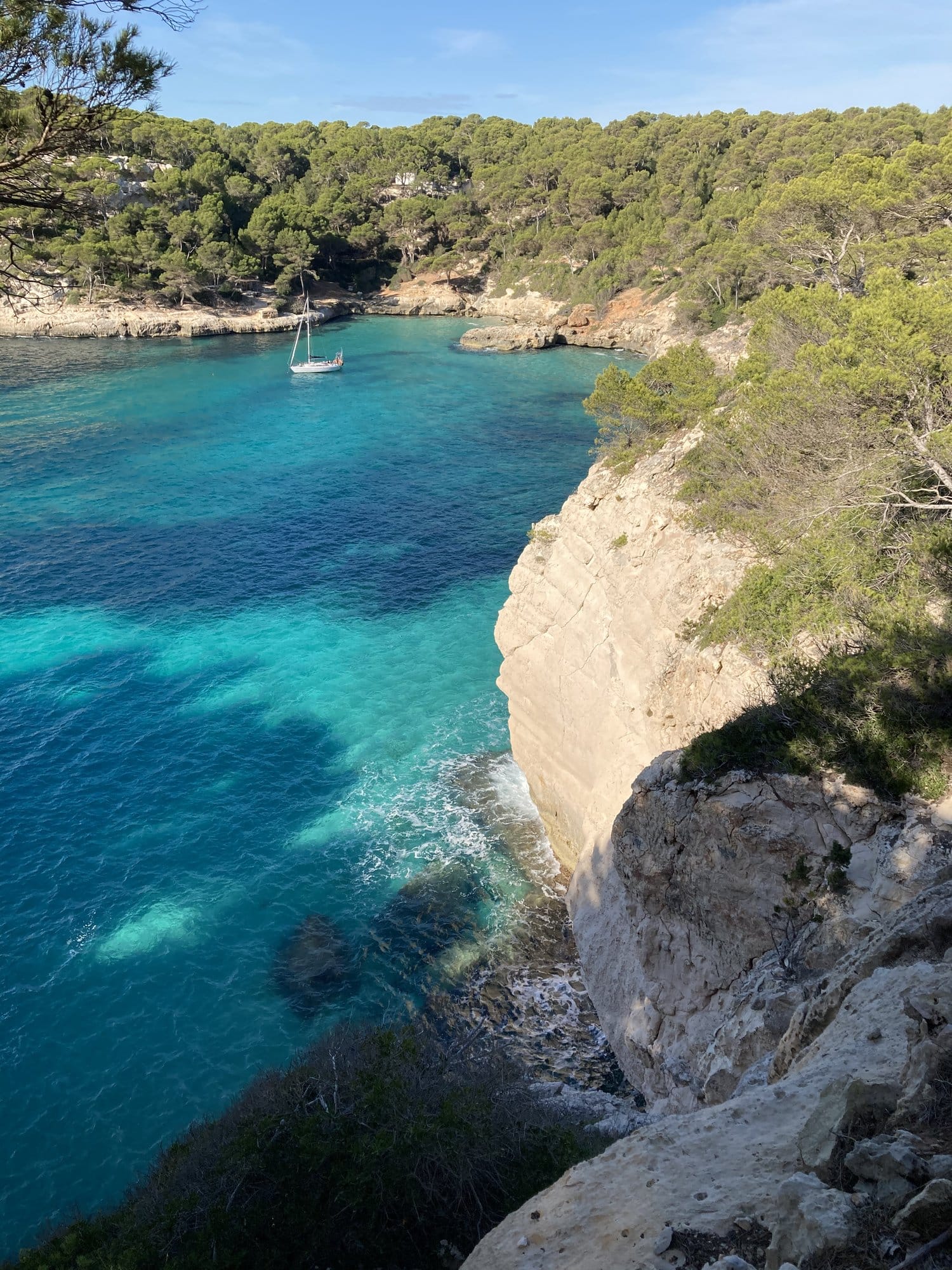
Menorca is the quieter Balearic — an island of wild northern beaches, honey-stone towns and turquoise coves that families can explore without the crowds.


Menorca occupies a curious middle ground in the Balearic hierarchy. Smaller and less developed than Mallorca, quieter and less hedonistic than Ibiza, it somehow remains under the radar of many Mediterranean travelers. This is precisely what makes it so appealing for families seeking beaches and culture without the machinery of mass tourism. The island feels genuinely Balearic — the stone villages, the dialect that differs from Spanish, the sense that local life continues alongside tourism rather than being consumed by it.
Over six days in October, traveling with children aged 11 and 7, we discovered an island where the most famous beaches remain accessible without the overwhelming crowds of peak season, where historic towns reveal their character, and where the simple act of swimming in crystal-clear water feels special. Menorca rewards a road trip approach that takes time, moves between the island's two towns (Maó and Ciutadella), and discovers the calas — small sandy coves — that define the coastline.
Affiliate Disclosure
This article contains affiliate links to accommodation partners and booking platforms. We may earn a small commission if you book through these links, at no extra cost to you. All recommendations reflect our genuine experience.
Why Menorca? A Destination for Families Seeking Quiet
Menorca is the second-largest Balearic Island, yet feels significantly less developed than Mallorca and worlds apart from Ibiza's clubbing culture. The geography is gentle — rolling hills rather than dramatic mountains, beaches that are beautiful rather than hidden behind cliffs — and the infrastructure, while perfectly adequate, never feels overwhelming. — family road trip around Lanzarote — best beaches in Mallorca
The island has two focal points: Maó (Mahón in Spanish), the capital, sits on the east coast above a massive natural harbor. Ciutadella, the historic former capital, occupies the western end of the island. Between them, the landscape is pastoral — farmland, small villages, and a coastline fragmented into numerous calas. This geography means that most travelers either base themselves in one location, or split time between the two towns.
The appeal is straightforward: Menorca's beaches are genuinely spectacular — turquoise water, fine sand, and a sense that you've discovered something rather than merely booked an experience. The towns are authentic: Maó is a working port city, Ciutadella a medieval town that happens to be in the Balearics. And the overall atmosphere suggests that families are welcome, without requiring the kind of fortress-like resorts that characterize parts of other Mediterranean destinations.
Getting There & Getting Around
Flights to Menorca
Menorca Airport (MAH) is served primarily by European flights. Direct connections from the UK, France, Germany, and other parts of Europe are available, though frequency and availability vary seasonally. Flight times from the UK are typically 2–2.5 hours. In October, we found reasonable flight pricing and good availability; summer flights are pricier and require earlier booking.
Car Rental
A rental car is highly recommended. The island is small enough (50 km east to west) that driving between attractions is quick, but the calas and villages are spread across the landscape in a way that makes public transport less practical than a car. We picked up a compact rental at the airport and kept it for the duration; costs were comparable to Mallorca. Roads are well-maintained, parking is straightforward, and local drivers are reasonable.
Public Transport Alternative
Buses connect Maó and Ciutadella, and serve some major beaches, but frequency is limited outside summer. Relying entirely on buses limits your flexibility; combining a rental car for 2–3 days with bus trips for longer journeys is a possible compromise, though not ideal for families.
Ferry Connections
Ferries link Menorca to Mallorca (Palma, roughly 3.5 hours) and Ibiza (around 2 hours), making it feasible to combine islands on a longer trip. We focused on Menorca alone, but ferries depart from Maó (east) and Ciutadella (west).
Menorca's only airport is Maó (MAH), 4 km from the capital — direct flights from Barcelona, Madrid and several UK cities land daily in summer, more sparingly in winter. A rental car is essential; pick it up at the airport since the island's bus network barely covers the headline beaches.
Where to Stay & Accommodation Tips
Menorca's accommodation is less developed than Mallorca's, which is actually an advantage — you're far less likely to land in a sprawling resort. Options range from small hotels in Maó and Ciutadella to rural guesthouses and apartment rentals scattered across the island.
We recommend basing yourself in Maó for 2–3 nights (to explore the capital, the east coast calas, and Monte Toro) and Ciutadella for 2–3 nights (for the old town, western beaches, and the harbor). This structure splits the island geographically and minimizes driving between bases.
October rates were roughly 45–55% lower than summer, and availability excellent. Mid-range hotels and apartments in town centers offer good value. Accommodation in Ciutadella tends to feel more characterful (narrow old-town streets, historic buildings) while Maó is more modern and commercial.
Two Articles, One Island: What to Explore
Menorca's appeal divides naturally into two regions:
East & Centre: Maó, Monte Toro & the Calas The capital Maó anchors the east, with its remarkable harbor and position overlooking the sea. Inland, Monte Toro stands at the island's highest point. The coastline around Maó fragments into numerous calas, each with its own character. Read the full east & centre guide — Mallorca family road trip guide
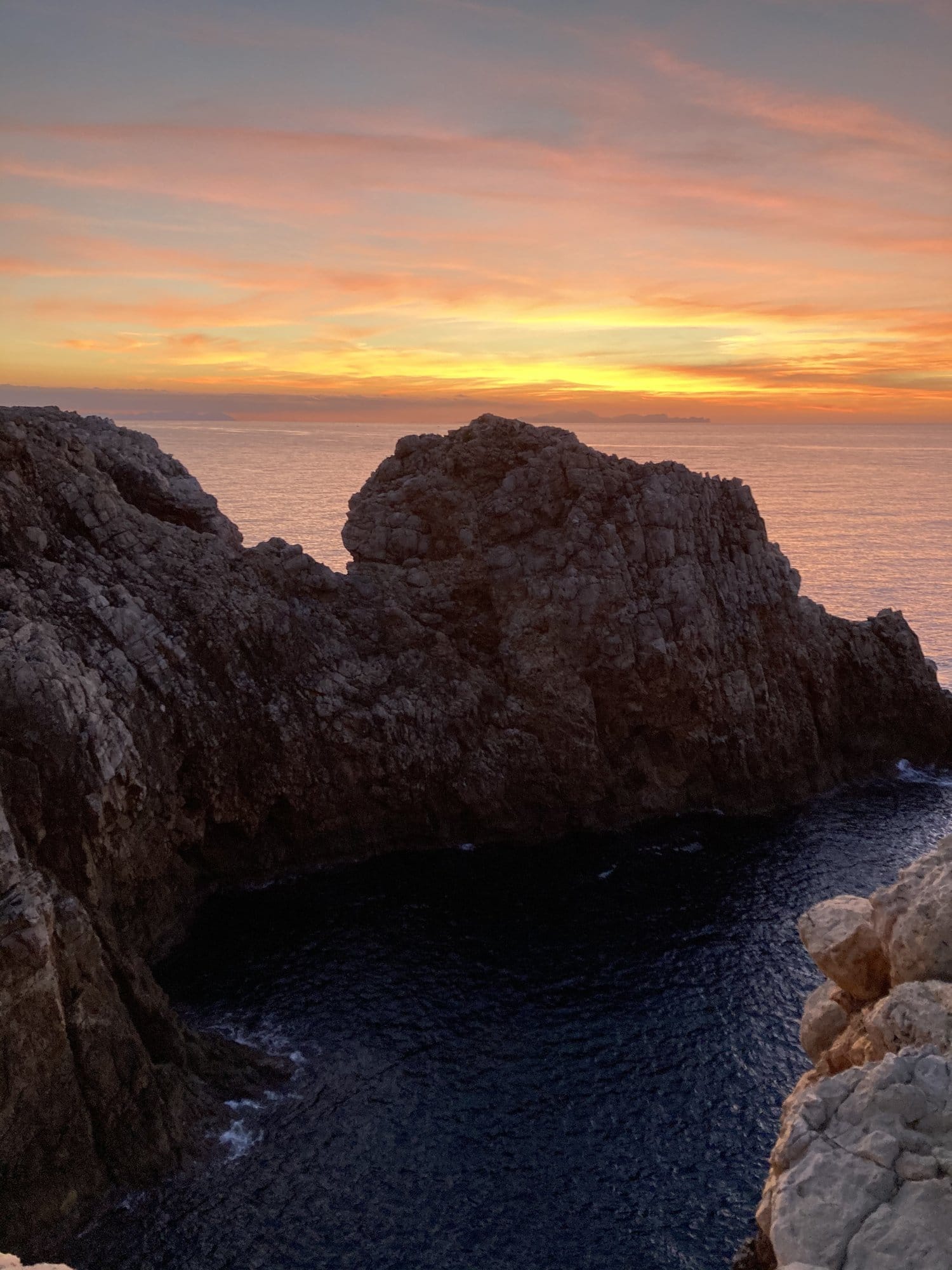
Ciutadella & the West The historic western town of Ciutadella retains medieval character and a working harbor where fishing boats still operate. The western coastline holds some of Menorca's most famous beaches and a series of dramatic calas accessible from small villages. Read the full Ciutadella guide
A Suggested 6-Day Itinerary
Day 1: Arrival in Maó Arrive at the airport (5 km from town), pick up a rental car, and head to Maó. Explore the town center — the narrow streets, the harbor views, local restaurants. Evening walk along the waterfront.
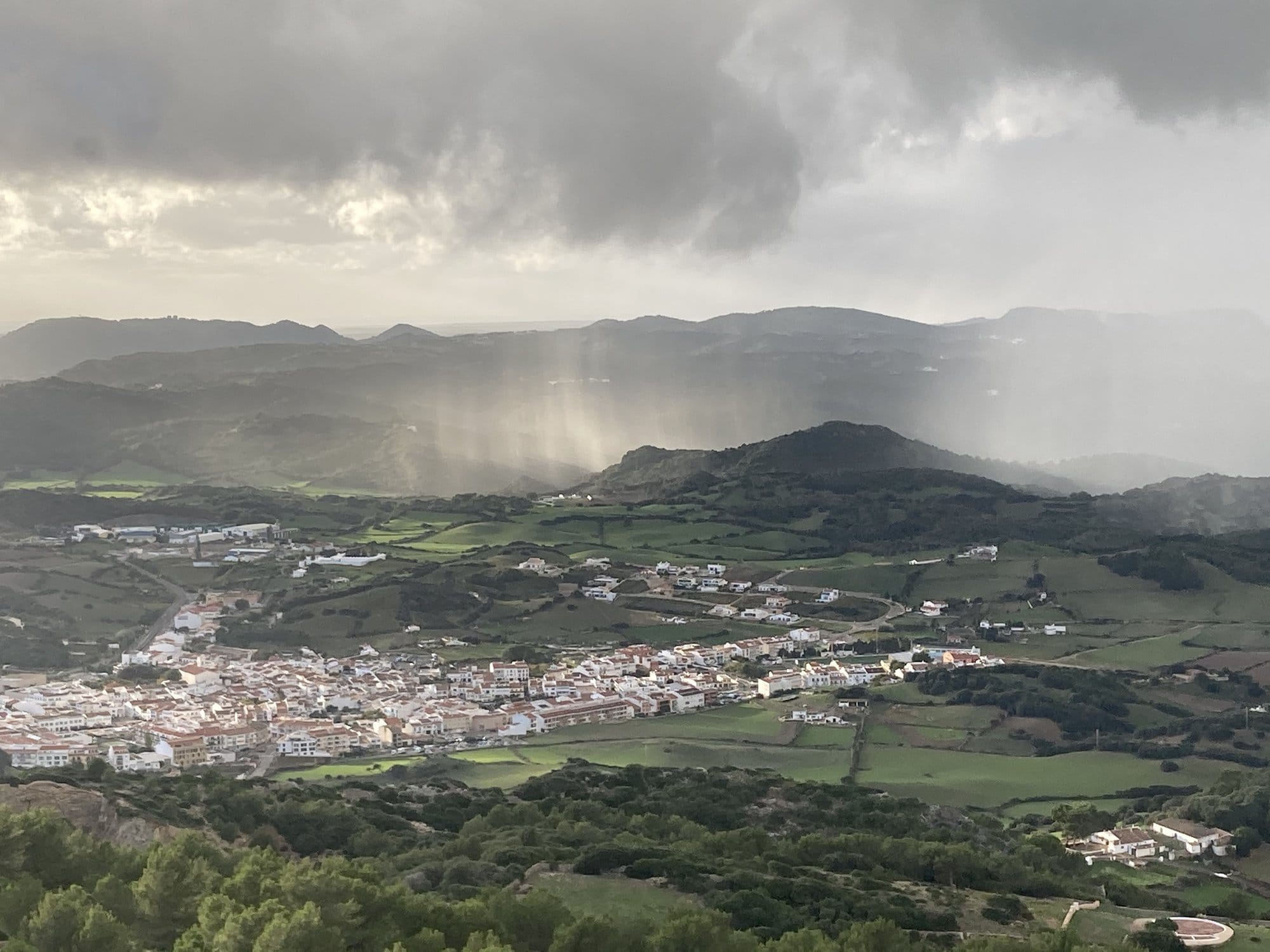
Days 2–3: East Coast & Monte Toro Use Maó as a base. Day trips to the calas around Maó (Cala Galdana, Cala Mitjana, Cala Torta are most famous but quieter options exist). Visit Monte Toro, the highest point on the island, for views across to Mallorca. Explore the town itself further — the Museu de Menorca, harbor-side restaurants.
Day 4: Drive to Ciutadella Drive west across the island (40 km, roughly 45 minutes). Spend the afternoon exploring Ciutadella's old town: the narrow streets, the cathedral, the harbor, and local shops. Dinner in town.
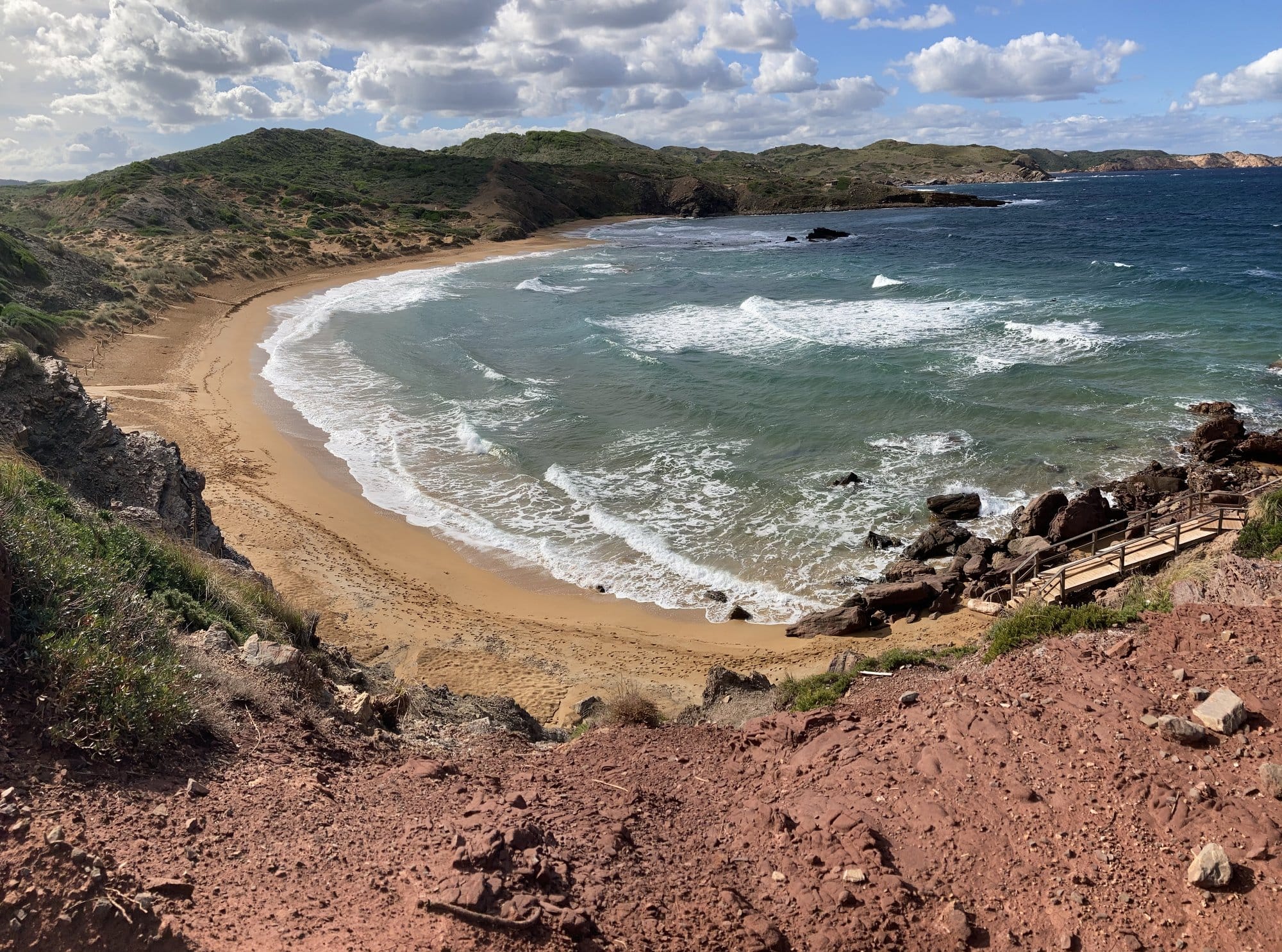
Days 5–6: Western Beaches & Ciudadella Exploration Use Ciutadella as a base. Day trips to western beaches (Cala Biniancolla, Cala Blanca, Platja de Son Bou are well-known; quieter alternatives exist). Another full day in Ciutadella: the palace museums, the market, more harbor exploration, and local restaurants.
Return Journey: Fly from Maó (requiring a drive back east on Day 6) or arrange a midday flight from Menorca Airport with a morning in Ciutadella.
This structure gives genuine time in both town centers while maximizing beach days.
Budget & Costs
For a family of four in October, assuming mid-range hotels and local restaurants:
- Accommodation: €70–110/night, roughly €420–660 for 6 nights - Rental Car: €30–45/day, roughly €180–270 for 6 days, plus fuel (~€30–40) - Meals: €15–25 per person for lunch, €20–35 for dinner; figure €90–140/day for the family - Activities & Entry Fees: €30–60/day (many beaches and viewpoints are free; museum entries run €3–5) - Flights: Highly variable; in October from the UK, roughly €120–180/person return
Total estimate for 6 days: €1300–1900 for a family of four (flights from the UK, mid-range experience). This is very good value for a Mediterranean break.
Peak summer pricing increases 50–60%. Families choosing simpler accommodation and more picnic meals can reduce costs further.
When to Visit
October (Our Choice) Warm but not hot (highs around 24°C/75°F), sea ideal for swimming, tourists fewer than summer. Restaurants and attractions fully operational, accommodation rates lower. Excellent for road trips and spending days on beaches without heat stress.
April to May & September Similar to October, slightly fewer tourists in April–May. May warmer; September cooling slightly. Both excellent for balanced travel.
June to August Peak season. Hot (28–30°C+), very crowded, highest prices. Better for pure beach holidays; exploring towns becomes less appealing with afternoon heat.
November to March Quiet but significantly cooler (highs 15–17°C), occasional rain. Sea less appealing for regular swimming. Good for hiking and cultural exploration, less ideal for beach-focused families.
School holidays align well with April–May, October (half-term), and Easter.
Practical Information
Visa & Entry Menorca is in Spain and the EU. EU/EEA citizens need only a valid passport. US, Canadian, Australian, and other visitors typically receive 90 days visa-free under the Schengen framework.
Currency & Costs Menorca uses the euro. Cards are widely accepted; ATMs are available in both towns and major villages. Tipping is not expected but rounding up or leaving small change is appreciated.
Language Spanish is the official language; Menorquí (a Catalan dialect) is spoken locally and seen on signage. English is well understood in tourism-related businesses, though learning basic Spanish phrases is helpful.
Getting Around The island is compact: the longest drive (east to west) takes under an hour. Roads are excellent and well-marked. Fuel is readily available. Parking in town centers can be tight but is manageable.
Accommodation Booking October is quiet enough that booking 4–6 weeks in advance offers good selection. Earlier booking is wise for July–August.
Internet & Communications Mobile coverage is reliable across the island. EU roaming applies for European visitors; others should check with their providers or purchase a local SIM.
Frequently Asked Questions
Is Menorca better than Mallorca for families? Both are excellent. Mallorca offers more dramatic scenery and more diverse activities; Menorca feels quieter and less developed. Mallorca suits families wanting a mix of mountains, culture, and beaches; Menorca suits families prioritizing beaches and a more relaxed pace. First-time visitors often prefer Mallorca's variety.
Can we visit both Menorca and Mallorca in one trip? Yes. A 10–12 day trip could include 4–5 days in each. Ferries run between the islands, or flights are quick. However, island-hopping means less time in each location; we recommend first-time visitors focus on one island or choose a two-week duration for a genuine experience of both.
What's the best beach on Menorca? There's no single answer — it depends on what you're seeking. Cala Galdana is famous for its long sandy beach and is family-friendly. Cala Mitjana is quieter and equally beautiful. The western beaches near Ciutadella are more wild. Because Menorca's coastline is fragmented into numerous calas, exploring a few different ones reveals that quality varies less by reputation than by your specific preferences.
Are families welcome outside the beach resorts? Absolutely. Menorca lacks the fortress-like resort culture of some Mediterranean destinations. Restaurants, towns, and local businesses genuinely welcome families. Children are a normal part of evening social life, and there's no sense of being out of place.
How crowded is October? Much quieter than summer. Popular beaches see activity on weekends, but weekday mornings or shoulder times are peaceful. The infrastructure (restaurants, shops, rental facilities) is fully open without the strain of peak season.
Plan Your Trip
Activities: You can browse all Menorca activities to make the most of your visit.
Accommodation: Use Trip.com to search hotels across Menorca with competitive rates and free cancellation.
Maó or Ciutadella is the decision that shapes the whole trip — we compare the two towns, the resorts and what October actually costs in our guide to where to stay in Menorca.
Find the best deals on accommodation:
More European Road Trips
If Menorca captured your interest in quiet Mediterranean travel and island exploration, consider these related guides:
- French Alps Family Road Trip — Alpine valleys, lakes, and market towns - Northern Italy Road Trip — Mountains, lakes, and Renaissance heritage - Things to Do in the Algarve — Cliffs, fishing villages, and golden beaches - Portugal Travel Guide — Diverse landscapes and authentic culture - Oman Family Road Trip — Desert and mountain adventure outside Europe
Menorca rewards travelers willing to move slowly and linger in less-famous places. The island's quiet character, genuine beaches, and authentic towns make it an excellent choice for families seeking a Mediterranean experience that feels less like tourism and more like discovery.