
Belle-Île-en-Mer Travel Guide: Brittany's Wild Island
The complete travel guide to Belle-Île-en-Mer, Brittany's largest island — how to get there, getting around by bike, where to stay and what to expect.

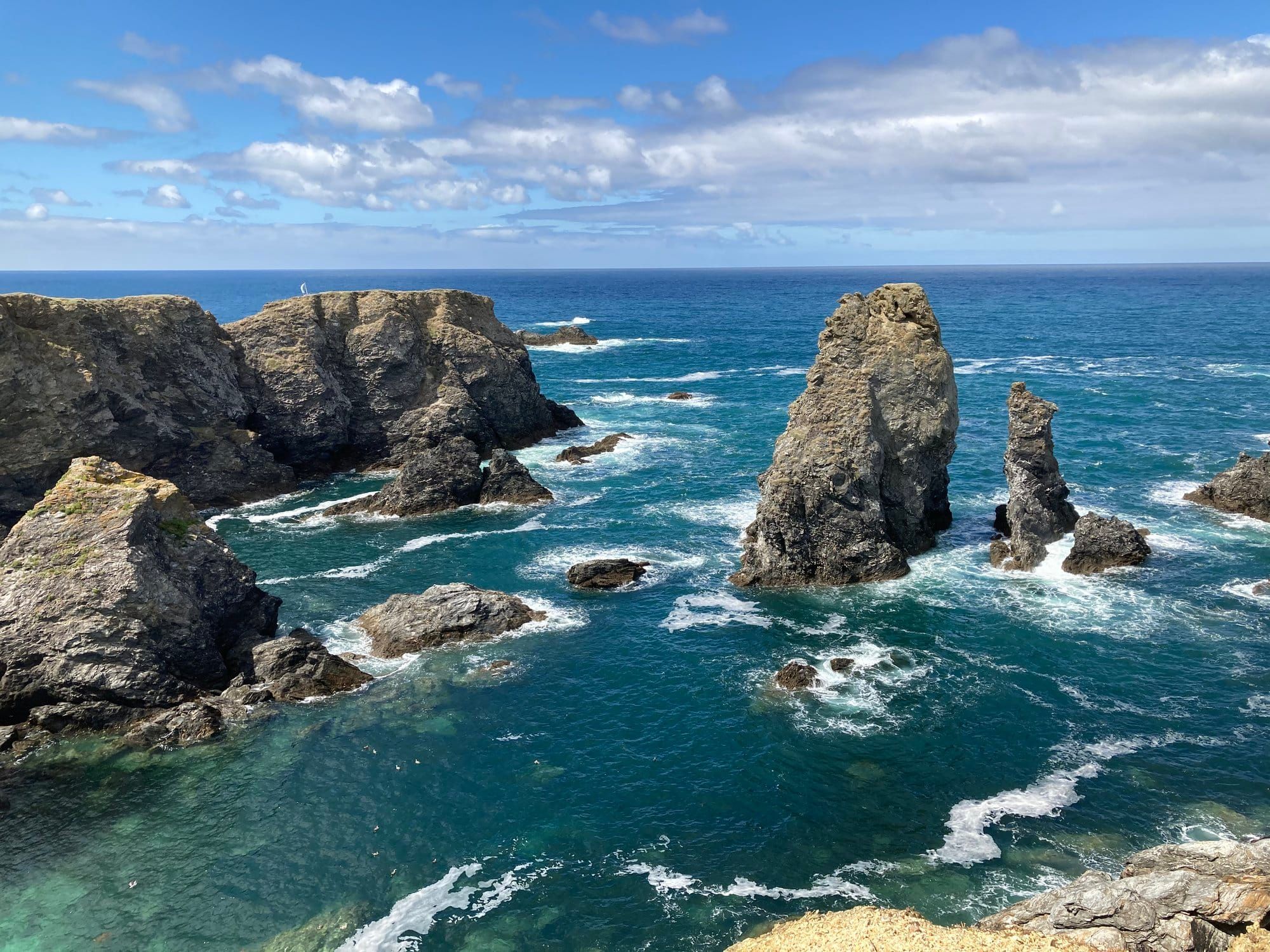
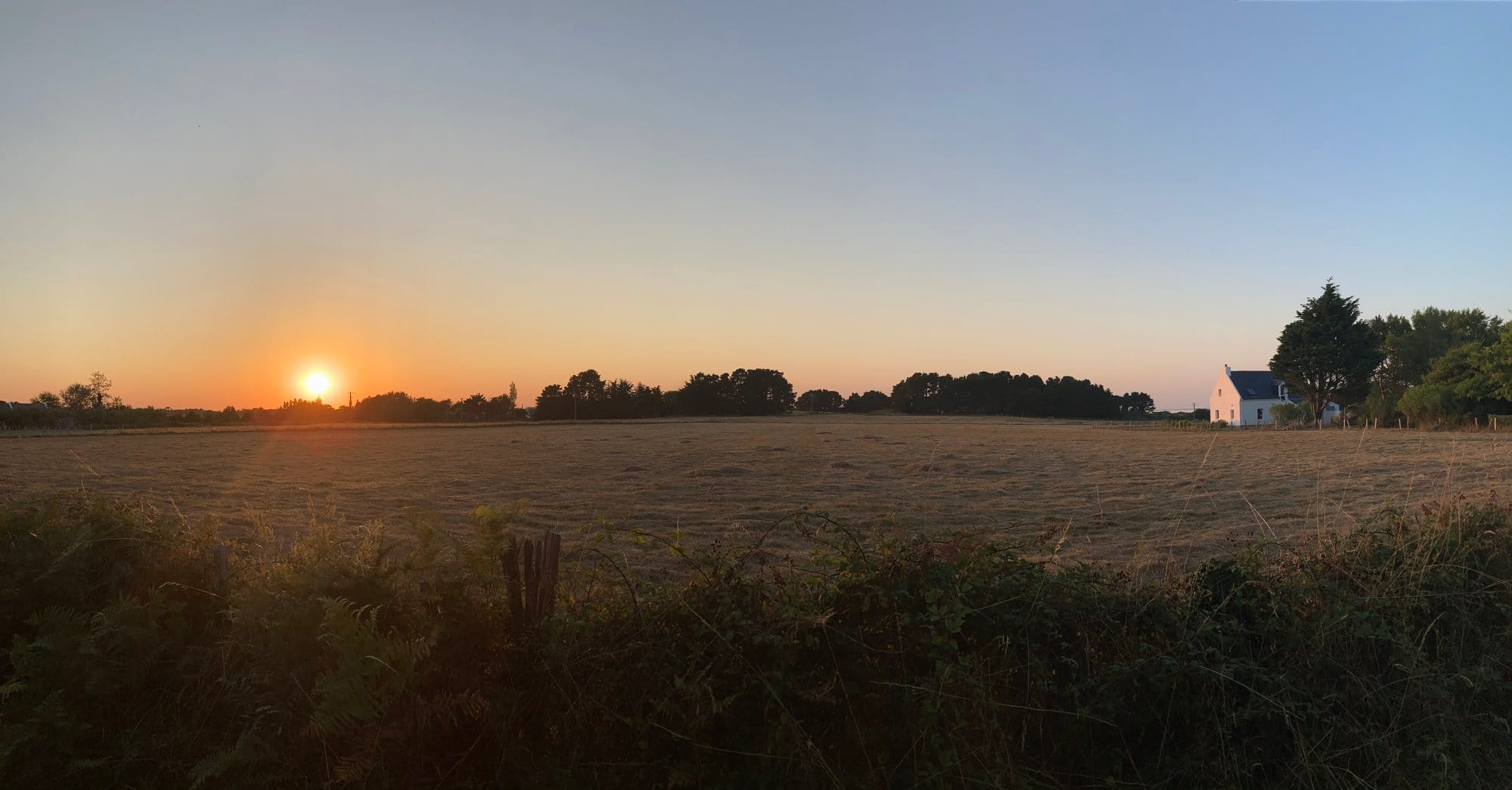
Belle-Île-en-Mer is Brittany's largest island—56 square kilometres of windswept coastline, dramatic cliffs, and rural farmland that's somehow wilder and emptier than most people expect. You'll find whitewashed farmhouses with wandering chickens, cows grazing under maritime pines, and golden sunset fields that look like they've been painted. But you'll also find one of the most spectacular coastlines in France: the Côte Sauvage, where cliffs drop sheer to the Atlantic, and Port Coton, where Monet painted the same stack of rocks thirty times to capture the light.
The island demands exploration—by bike, ideally—and rewards it completely. It's bigger than it looks on a map, more challenging than you'd think, and absolutely worth the ferry ride from the mainland.
Bookings: Some of the links in this article are affiliate links. This means that if you choose to make a booking, we will receive a small commission at no extra cost to you. Thank You!
How to Get There
Belle-Île-en-Mer is 14km off the coast of Brittany, reachable by ferry from two mainland ports:
From Quiberon (most convenient): The ferry takes about 45 minutes and runs year-round. Multiple departures daily in summer, fewer in winter. It's the straightforward option—drive to Quiberon, park, walk aboard. You can also rent a car at Vannes or Nantes airport if you're flying in; renting a car at Vannes or Nantes airport is usually the most flexible option for exploring the wider Brittany coast.
From Vannes (summer only): A longer crossing (about 2 hours 45 minutes) but a beautiful boat journey across the Gulf of Morbihan. Summer only, and fewer daily crossings.
Book your ferry in advance in peak season. Foot passengers are the norm, but you can take a car—useful if you plan to explore off the beaten tracks. Bring cash for onboard cafés; they don't always accept cards.
Getting Around: The Bike Question
🚲 Rent a bike to explore the area at your own pace. Compare prices and book directly below:
This is the honest bit: Belle-Île is bigger than it feels, and the full coastal loop is roughly 80km. The roads are hilly in places, the wind can be relentless, and the infrastructure isn't always obvious. If you're planning to see everything, expect a serious cycling challenge.
But here's the thing—it's entirely worth it.
E-bikes are available for rent on the island, which changes the equation dramatically for families. With an e-bike (or good weather and patience), even kids can enjoy long loops. The views—cliff tops, hidden coves, wind-scoured granite—make every pedal stroke count. You'll see parts of Brittany that most tourists miss.
For the complete cycling breakdown—specific routes, distances, best stops, and honest family advice—we've written a dedicated cycling guide. Check it out if you're planning to spend a full day or two on two wheels.
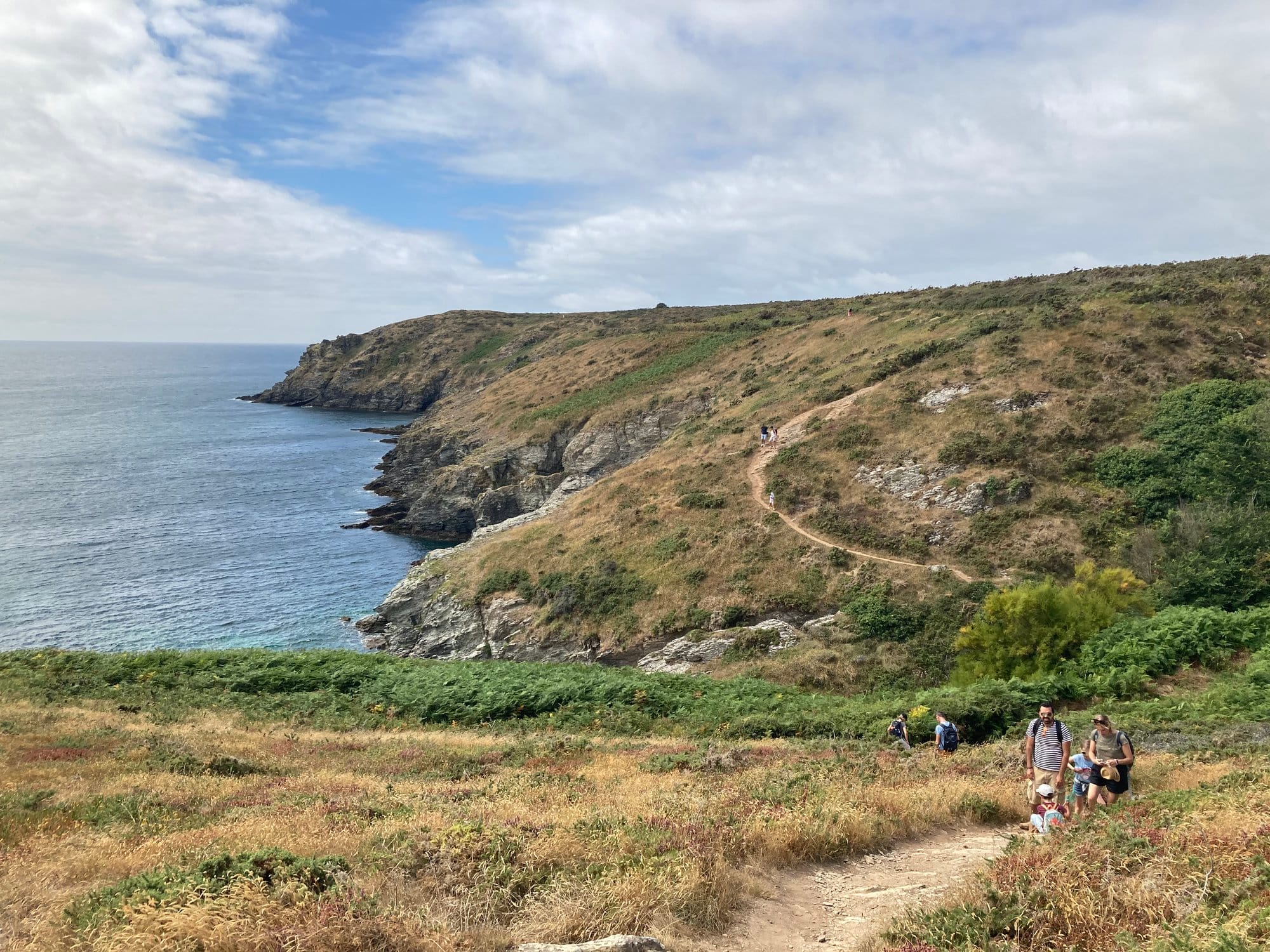
If you're not cycling, a combination of walking (especially around the Côte Sauvage and Pointe des Poulains) and short car drives between villages works fine. Scooters are available for rent. But Belle-Île really opens up on a bike.
The Main Sights
Port Coton: The rock stacks here are the icon of Belle-Île—three needle-like formations rising from turquoise water. Monet famously painted them multiple times, obsessed with capturing how light changed throughout the day. The viewpoint is accessible from a short walk, the rocks even more photogenic than the postcards suggest. There's a café and a small museum dedicated to Monet's work.
Pointe des Poulains: The northern tip of the island, with a dramatic lighthouse and sweeping views back toward the coast. There's a narrow walking bridge to a fortified keep on a smaller island. Wind-scoured, atmospheric, and worth the 10-minute walk from the car park.
Le Palais: The port town where the ferry arrives. It's working and unpretentious—fishing boats, waterfront restaurants, the star-shaped Citadelle fortress overlooking the harbour. Good for an hour's wander and lunch, but not the most picturesque village on the island.
Sauzon: Much prettier—narrow streets, a tiny harbour hemmed in by granite buildings, artist galleries, and the sense that you've stepped back in time. The village sits on the west coast, and the walk down to the water through narrow lanes is charming. This is where many of the island's holiday rentals are clustered.
Côte Sauvage: The "Wild Coast," running along the southern edge of the island. This is the showstopper—a walking trail that hugs the clifftop for kilometres, with the Atlantic churning below and barely a building in sight. The cliffs here are the highest on the island, the views are dramatic, and you'll understand why Brittany's coast is famous.
The Rural Interior
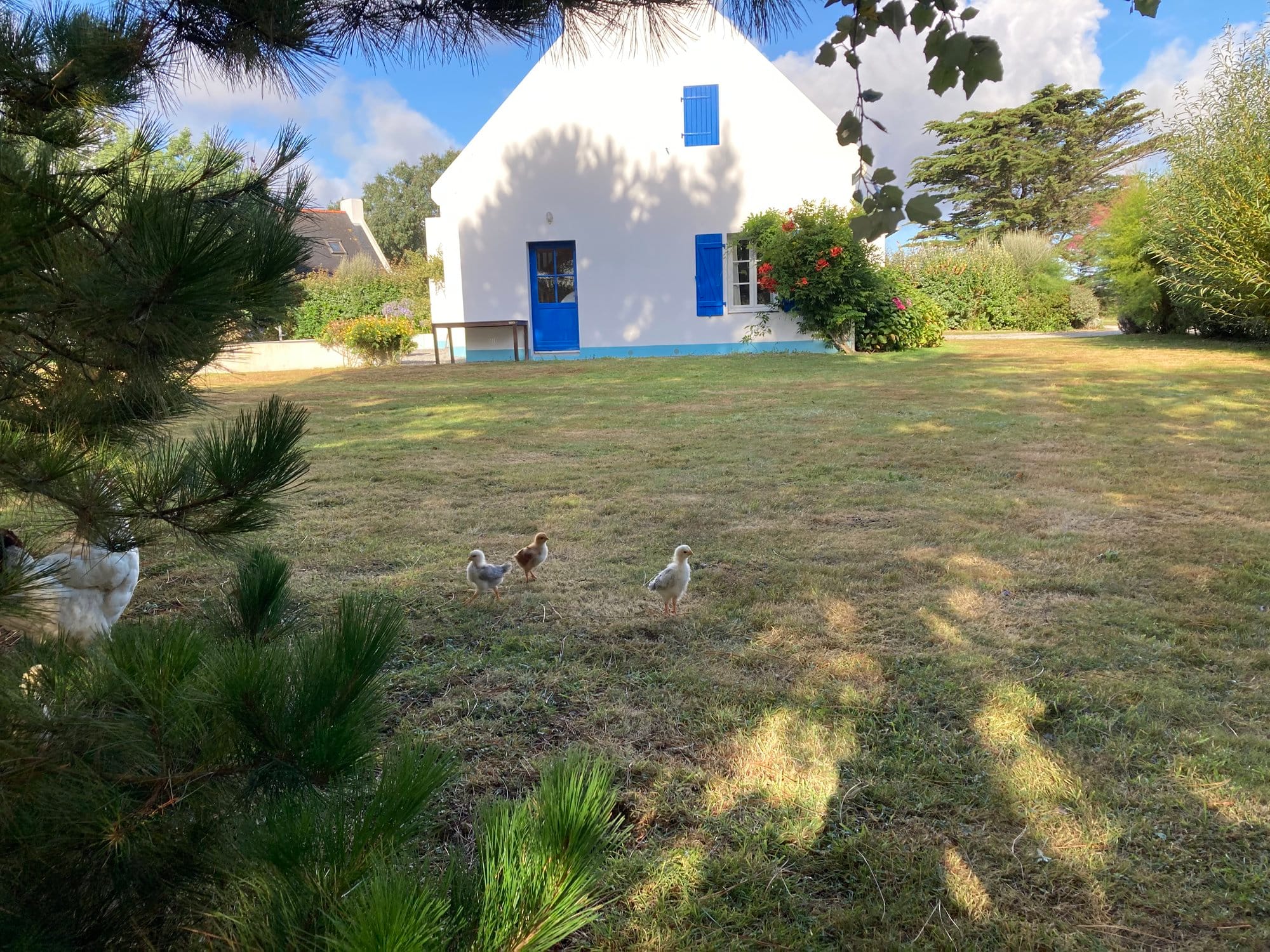
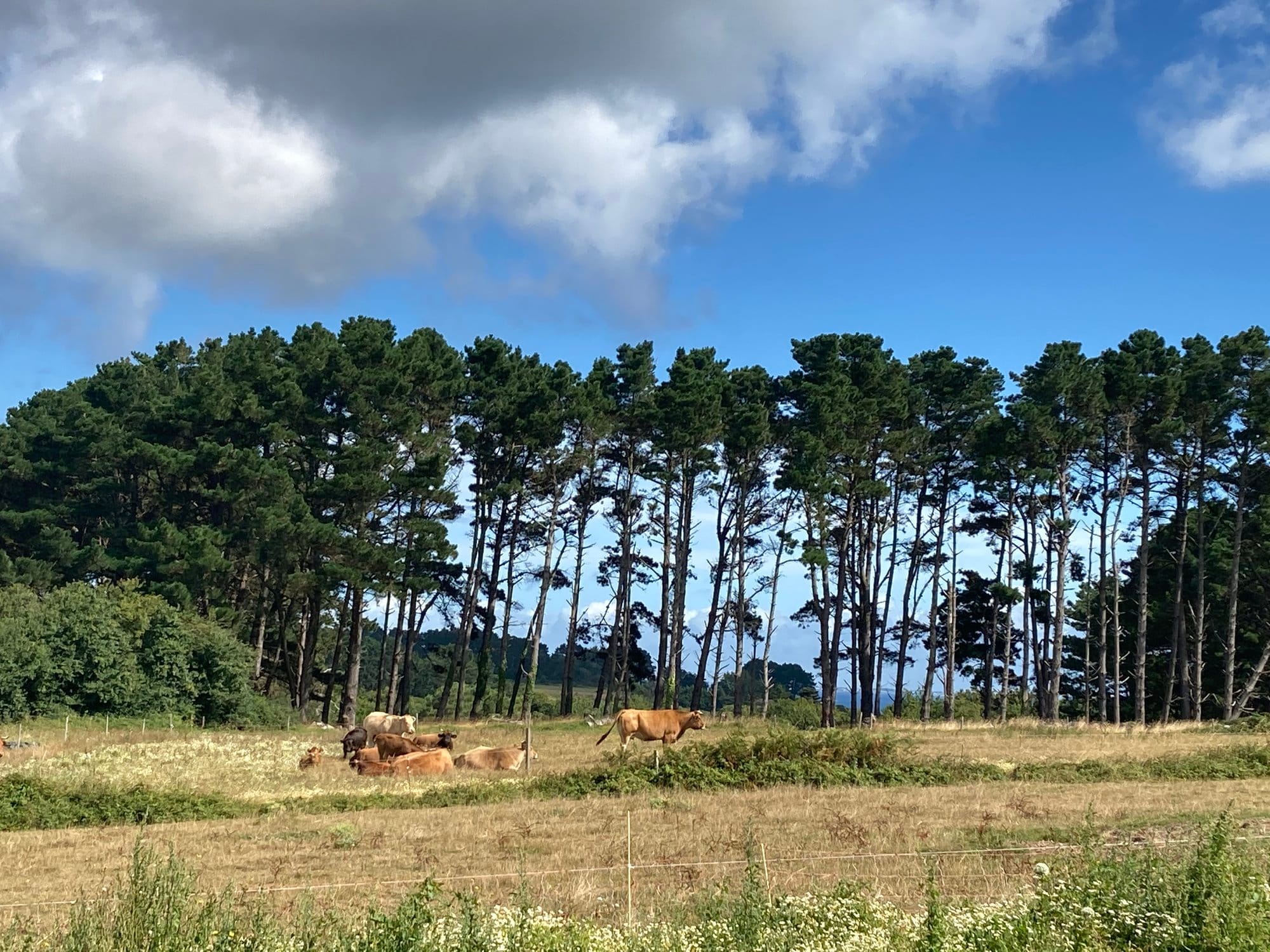
What makes Belle-Île different from other popular islands isn't just the cliffs and coves—it's the working farmland in the middle. Drive or cycle inland from the coast, and you'll find villages that tourists largely skip: whitewashed farmhouses with blue shutters, chickens and roosters scratching in yards, cows grazing in fields bordered by maritime pines. You'll pass old stone windmills and farmstands selling vegetables and Breton butter. It's quiet, it's genuine, and it's the reason the island feels so much bigger than its 56 square kilometres.
This is Brittany as it actually is—not a theme park version, but the real thing. If you only circle the coast, you'll miss half the island's character.
Beaches
Donnant: The main beach, backed by dunes and sand, famous for waves that attract surfers. It's exposed and can be rough, but on calm days it's beautiful. Facilities are good—cafés, restaurants, rental shops.
Grand Sable: A long sandy beach on the east side, usually calmer and more family-friendly than Donnant. Less crowded in summer, too.
Hidden coves: The south and east coasts are scattered with smaller coves—some accessible by short walks, some by longer hikes. Ask locals or check hiking maps; there are surprises if you look.
Where to Stay
Le Palais: The ferry port. Most practical, most facilities, but also the busiest. Good if you're not staying long or if you want shops and restaurants within walking distance.
Sauzon: More atmospheric, prettier, quieter. Many holiday rentals available, including small hotels and guesthouses. A good base if you're staying a few days and want to explore on foot or bike.
Scattered villages: There's usually a small campsite or guesthouse in each settlement. The advantage is immersion—you're living in the actual island rather than in a tourist zone.
Accommodation on Belle-Île: Use accommodation on Belle-Île to compare options and book ahead, especially in July and August.
When to Visit
Summer (July–August): Peak season. All ferries run, restaurants and shops are open, and the weather is most reliable. Expect crowds, especially on weekends. Book accommodation well in advance.
Late spring and early autumn (May–June, September): Ideal. The weather is still mostly good, but it's less crowded. Fewer ferry crossings, but regular service. Wildflowers in May and June; golden light in September.
Winter: Quieter, but unpredictable. Ferries still run, but some smaller restaurants and shops close. Wind can be fierce. Not recommended if you're planning serious cycling or beach time, but wonderful if you want solitude.
Practical Information
Budget: Mid-range. Meals in decent restaurants are €15–25 per person. Holiday rentals start around €600/week. Camping is €30–50/night. Ferry tickets (return, foot passenger) are about €35–45.
Ferry booking: Book online at the ferry company website. Walk-ons are usually fine even in peak season, but car spaces fill up. No need to book weeks ahead for a foot passenger, but a day or two is smart in summer.
Cash: Bring some. Not everywhere takes cards, especially smaller villages and beach cafés. There's an ATM in Le Palais.
Weather: This is Brittany. Wind and rain are normal. Pack layers, waterproof jacket, and good walking shoes. Summer can be genuinely beautiful, but always assume it might be grey and windy.
Getting flights: If you're flying in, compare flights are your closest options. Nantes is closer; Rennes is larger. From either airport, it's a 1.5–2 hour drive to Quiberon.
More from France
If you're exploring Brittany and the Atlantic coast, you'll want to check these too: — walking Île d'Yeu's wild coast — things to do on Île d'Yeu
FAQ
Is Belle-Île good for families?
Yes, but with caveats. The beaches are great, the scenery is genuinely stunning, and there's plenty of space to explore. E-bikes make cycling accessible. The main challenge is that the island is bigger and hillier than other family islands, so patience and flexibility matter. If your kids are energetic and don't mind some wind and weather, you'll have a brilliant time. If they need guaranteed sun and flat terrain, consider Île d'Yeu instead.
How many days do you need on Belle-Île?
Three days is the minimum to feel like you've seen it. Two days if you're in a hurry. Four or five is better—one full day for cycling the coast, one for villages and beaches, one for the rural interior. A week means you can go slow, repeat your favourite spots, and actually feel the rhythm of island life.
Is cycling Belle-Île with kids realistic?
Yes, but plan for e-bikes. The 80km loop is genuinely challenging for children on regular bikes, especially in wind. An e-bike makes it manageable and actually fun. Alternatively, do shorter loops (20–30km) based around villages. Or forget full-loop cycling and use bikes for half-day spins to beaches and viewpoints. It's realistic if you're flexible about what "cycling Belle-Île" means.